



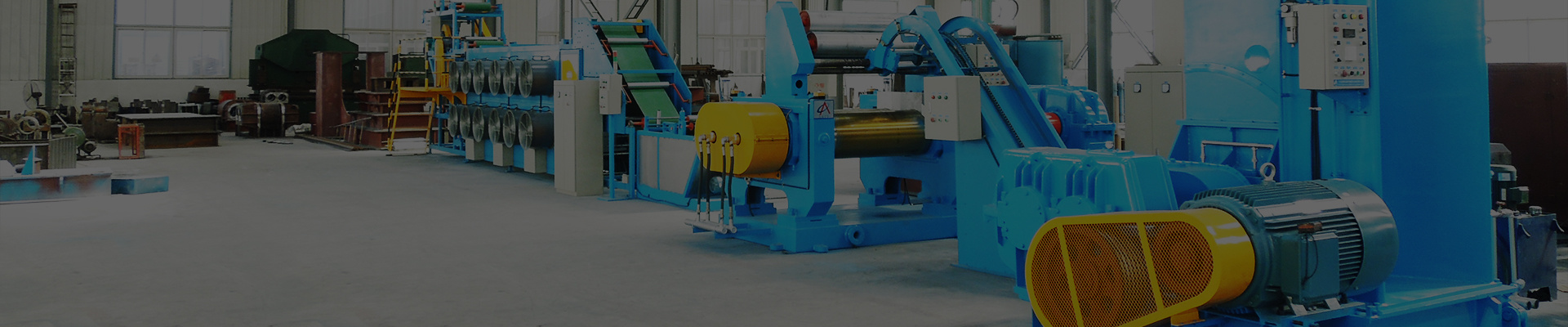
The Role of Quality Two Roll Rubber Mixing Mills in Manufacturing
Time of issue:
2024-12-12
Two Roll Rubber Mixing Mills play an indispensable role in the manufacturing of rubber products. Their ability to enhance efficiency, improve product quality, and adapt to future technological advancements makes them a vital asset in the industry
1. Introduction to Two Roll Rubber Mixing Mills
Two Roll Rubber Mixing Mills are essential machines in the rubber manufacturing industry. These mills are crucial for mixing and processing rubber compounds, leading to various applications, including tires, seals, and gaskets. In this article, we will explore how these machines contribute to efficiency and product quality in manufacturing.

2. The Importance of Rubber Mixing in Manufacturing
Rubber mixing is a fundamental step in producing quality rubber products. It involves blending raw materials, including rubber, fillers, and additives, to achieve specific characteristics. This process ensures the final product meets performance requirements, such as elasticity, durability, and heat resistance. Efficient mixing is vital, as it directly impacts the quality and consistency of the end product.
3. Understanding the Mechanics of Two Roll Mixing Mills
To fully appreciate the benefits of Two Roll Rubber Mixing Mills, it's essential to understand their operation and components.
3.1 How Two Roll Mills Operate
Two Roll Rubber Mixing Mills consist of two horizontally mounted rollers that rotate in opposite directions. When rubber materials are fed into the space between the rollers, the friction generated by their movement creates a shearing action, allowing for thorough mixing. This process can be adjusted based on factors such as roller speed and temperature, which influences the characteristics of the final compound.
3.2 Key Components of Two Roll Rubber Mixing Mills
Several key components significantly impact the performance of Two Roll Rubber Mixing Mills:
- Rollers: The primary mixing elements, typically made of hardened steel, can be heated or cooled to control the temperature of the rubber.
- Frame: The structural component that houses the rollers and provides stability.
- Drive Mechanism: This system powers the rollers, often using a variable frequency drive for speed control.
- Cooling and Heating Systems: Essential for maintaining the desired temperature during mixing.
4. Benefits of High-Quality Two Roll Rubber Mixing Mills
Investing in quality Two Roll Rubber Mixing Mills can provide various advantages.
4.1 Enhanced Efficiency and Productivity
Quality mills are designed for optimal performance and durability. They can operate continuously with minimal downtime, leading to increased productivity. Moreover, advanced features such as digital controls allow for precise adjustments, ensuring consistent mixing results.
4.2 Improved Material Properties
Using high-quality mixing mills can significantly enhance the physical properties of rubber compounds. Improved dispersion of fillers and additives results in better mechanical properties, which are crucial for the performance of rubber products. This enhancement can lead to increased customer satisfaction and lower rejection rates in manufacturing processes.
5. Choosing the Right Two Roll Rubber Mixing Mill
Selecting the appropriate machine is critical for maximizing your operational efficiency.
5.1 Assessing Machine Specifications
When evaluating Two Roll Rubber Mixing Mills, consider the following specifications:
- Roller Diameter: Affects the mixing capacity and efficiency.
- Roller Width: Determines the volume of material that can be mixed at one time.
- Speed Control: The ability to adjust roller speeds can optimize mixing for various materials.
5.2 Understanding Production Needs
It’s essential to align your choice of a mixing mill with your specific production requirements. Consider factors such as:
- Volume of Production: Higher capacity mills are necessary for larger production volumes.
- Type of Rubber Compounds: Different materials may require different mixing techniques, influencing the machine's design.
6. Maintenance and Best Practices for Two Roll Mills
Regular maintenance is crucial to ensure the longevity and performance of Two Roll Rubber Mixing Mills.
- Routine Inspections: Regularly check the condition of the rollers, drive mechanisms, and electrical systems.
- Cleaning: Keep the mixing area clean to prevent contamination of rubber compounds.
- Lubrication: Ensure all moving parts are adequately lubricated to minimize wear and tear.
Adopting best practices not only enhances performance but also extends the machine’s operational life.
7. Future Trends in Rubber Mixing Technology
The rubber manufacturing industry is continually evolving, with new technologies emerging to improve efficiency and product quality.
- Automation: The integration of automation and AI is transforming the rubber mixing process, allowing for real-time monitoring and adjustments.
- Sustainable Practices: As sustainability becomes a priority, the development of eco-friendly materials and recycling processes will influence rubber mixing requirements.
Staying informed about these trends is crucial for manufacturers looking to maintain a competitive edge.
Two Roll Rubber Mixing Mills play an indispensable role in the manufacturing of rubber products. Their ability to enhance efficiency, improve product quality, and adapt to future technological advancements makes them a vital asset in the industry. By selecting high-quality mills and implementing best practices, manufacturers can unlock the full potential of their operations, ensuring competitiveness and sustainability in a rapidly changing market. Investing in these machines is not just a choice but a strategic move towards achieving operational excellence in rubber manufacturing.
Relevant Information
The Second Day of the Shanghai Exhibition
2025-09-18
The second day of the Greater Bay Area Expo
2025-05-16

ADD
Room 3718,No.9-1.Haifu Road,Dalian Free Trade Zone,China(Liaoning)Free Trade Pilot Area
PRODUCTS