



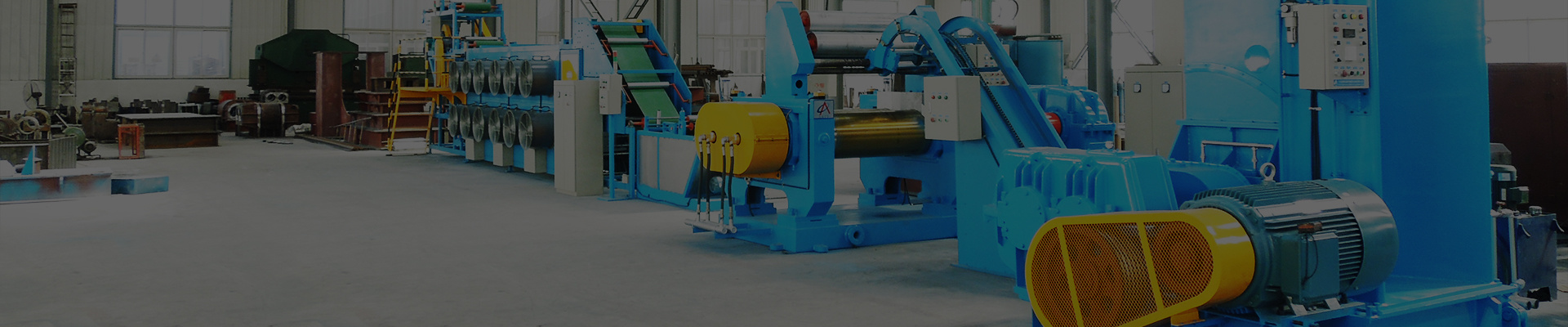
What Are the Functionality of China Lab Dispersion Kneaders
Time of issue:
2024-12-06
China lab dispersion kneaders are essential tools in various manufacturing and research environments. Their unique functionality, characterized by effective mixing, dispersion, and temperature control, sets them apart from traditional mixing methods
1. Introduction to China Lab Dispersion Kneaders
In the realm of manufacturing and processing, China lab dispersion kneaders have emerged as indispensable tools. These specialized machines are engineered for the purpose of mixing, dispersing, and kneading a wide variety of materials, including polymers, elastomers, and other viscous substances. Their advanced design and functionality make them suitable for both laboratory research and production processes.
This article aims to provide an in-depth understanding of the functionality of these machines, highlighting their key components, applications, and maintenance practices. By the end, readers will possess a comprehensive knowledge of how lab dispersion kneaders operate and their significance in various industries.

2. What is a Dispersion Kneader?
A dispersion kneader is a type of mixing machine specifically designed to blend materials with different physical properties. Its primary function is to achieve a uniform distribution of solid and liquid components within a mixture. This is particularly vital in industries such as plastics, rubber, and food processing, where product consistency is paramount.
Dispersion kneaders typically feature a pair of counter-rotating rotors that create a high shear environment, allowing for effective mixing and dispersion. The design of these machines caters to various material viscosities, making them versatile tools for researchers and manufacturers alike.
3. How Do China Lab Dispersion Kneaders Work?
The operation of China lab dispersion kneaders can be broken down into several key processes:
3.1 Mixing Action
The mixing action is initiated by the counter-rotating rotors. As they turn, they create a powerful shear force that pulls materials into the mixing zone. This initial action is crucial for breaking up clumps of material and ensuring that all components are adequately interacted.
3.2 Shear and Dispersion
In addition to mixing, the high shear forces generated by the rotors facilitate the dispersion of solid particles throughout the liquid matrix. This process is essential for achieving the desired consistency and homogeneity in the final product.
3.3 Heating and Cooling
Most dispersion kneaders are equipped with heating and cooling jackets. This feature allows operators to control the temperature of the materials during processing, which can greatly affect the properties of the end product. Heat may be applied to soften materials, while cooling can be employed to stabilize mixtures.
4. Key Components of Lab Dispersion Kneaders
Understanding the key components of lab dispersion kneaders is critical to appreciating their functionality. Here are the primary elements:
4.1 Rotors
The rotors are the heart of the kneader, responsible for mixing and dispersing materials. Different rotor designs can be used to achieve various mixing profiles.
4.2 Mixing Chamber
The mixing chamber provides the space where materials are combined. Its design is optimized to minimize dead zones where materials could remain unmixed.
4.3 Heating/Cooling Jackets
These jackets surround the mixing chamber and allow for precise temperature control, impacting the viscosity and flow properties of the materials.
4.4 Control System
Modern lab dispersion kneaders come equipped with advanced control systems that allow operators to monitor and adjust parameters such as speed, temperature, and mixing time.
5. Applications of China Lab Dispersion Kneaders
Lab dispersion kneaders find applications across various sectors, each benefiting from their unique capabilities:
5.1 Plastics and Polymers
In the plastics industry, these machines are used to blend additives, fillers, and reinforcements with base polymers to create composite materials with enhanced properties.
5.2 Rubber Processing
Rubber manufacturers utilize dispersion kneaders to mix rubber compounds, ensuring uniformity and optimal performance in finished products such as tires and seals.
5.4 Food Processing
In food technology, dispersion kneaders can be used to create emulsions and disperse ingredients uniformly, contributing to the quality of various food products.
5.5 Pharmaceuticals
Pharmaceutical companies leverage these machines for mixing active ingredients with excipients, ensuring consistent dosages in medications.
6. Advantages of Using Lab Dispersion Kneaders
The benefits of employing China lab dispersion kneaders are numerous, making them a preferred choice for manufacturers:
6.1 High Efficiency
The counter-rotating design promotes rapid mixing, significantly reducing processing times compared to traditional mixing methods.
6.2 Versatility
Their ability to handle a wide range of viscosities makes dispersion kneaders versatile tools suited for different applications.
6.3 Improved Product Quality
The high shear forces applied during mixing lead to better dispersion and distribution of materials, resulting in higher-quality final products.
6.4 Temperature Control
With integrated heating and cooling systems, operators can optimize processing conditions, ensuring consistent material properties.
7. Choosing the Right China Lab Dispersion Kneader
Selecting the appropriate lab dispersion kneader involves several considerations:
7.1 Material Properties
Evaluate the viscosity, density, and temperature sensitivity of the materials you plan to process. This will guide you in choosing a kneader with suitable rotor designs and heating/cooling capabilities.
7.2 Production Volume
Consider the scale of your operations. For small-scale research, a bench-top model may suffice, while larger production requires industrial-sized machines.
7.3 Control Features
Look for kneaders with advanced control systems that provide real-time monitoring and adjustments, enhancing process reliability.
8. Maintenance Tips for Lab Dispersion Kneaders
Regular maintenance is essential for ensuring the longevity and efficiency of lab dispersion kneaders:
8.1 Routine Cleaning
Clean the mixing chamber and rotors after each use to prevent contamination and buildup of materials.
8.2 Lubrication
Regularly lubricate moving parts to reduce wear and tear, enhancing operational efficiency.
8.3 Inspection
Conduct periodic inspections of key components such as rotors, seals, and control systems to identify wear or potential issues.
China lab dispersion kneaders are essential tools in various manufacturing and research environments. Their unique functionality, characterized by effective mixing, dispersion, and temperature control, sets them apart from traditional mixing methods. By understanding their design, operation, applications, and maintenance, users can harness their capabilities to produce high-quality materials efficiently. As industries continue to evolve, the significance of these machines will only grow, making them invaluable assets in the quest for innovation and quality.
Relevant Information
The Second Day of the Shanghai Exhibition
2025-09-18
The second day of the Greater Bay Area Expo
2025-05-16

ADD
Room 3718,No.9-1.Haifu Road,Dalian Free Trade Zone,China(Liaoning)Free Trade Pilot Area
PRODUCTS