



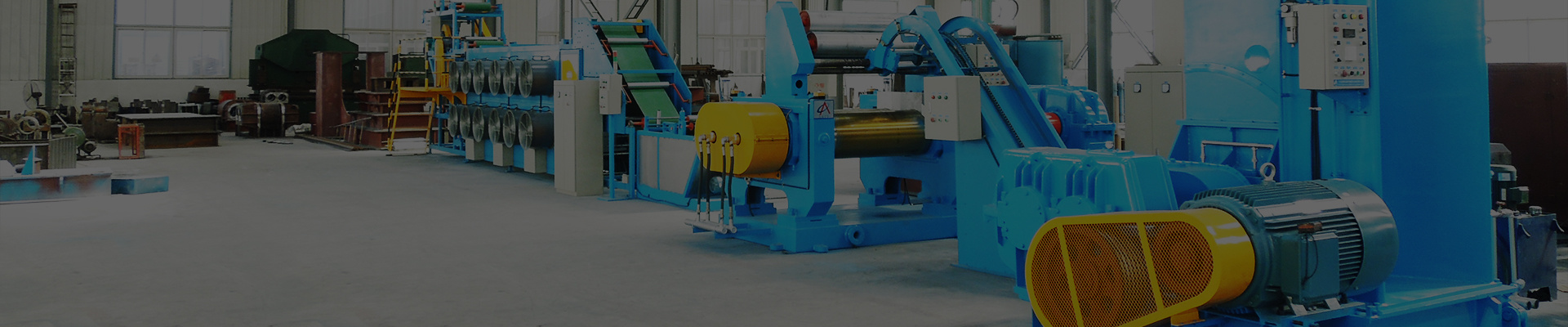
Revolutionizing Rubber Processing with Advanced Calender Machines: The Future of Efficiency and Precision
Time of issue:
2024-08-24
The advancements in rubber calender machines are revolutionizing the rubber processing industry by enhancing product quality, increasing efficiency, and promoting sustainability
Introduction to Rubber Processing and Calender Machines
In the realm of rubber manufacturing, the evolution of processing techniques has been pivotal in enhancing product quality and efficiency. Rubber calendar machines, known for their ability to produce thin sheets or films of rubber, play an instrumental role in this process. These machines have transformed the landscape of rubber processing, enabling manufacturers to meet the increasing demands for precision and quality.
Calendering, a process that involves passing rubber through a series of rollers, allows for the uniform distribution of materials, ensuring consistent thickness and quality. These machines not only enhance productivity but also provide manufacturers with the ability to innovate and customize their products to meet specific market needs.
Understanding Calender Machines: A Deep Dive
Calender machines are designed to create thin sheets of rubber or other materials by forcing them through a series of rollers. The design of these machines typically includes:
Components of Calender Machines
1. Rollers: The heart of the rubber calendar machine, these are usually made from hard materials such as steel. They come in various diameters and configurations, affecting the thickness and quality of the rubber produced.
2. Heating and Cooling Systems: To ensure consistent processing temperatures, modern calender machines are equipped with advanced heating and cooling systems. These systems maintain optimal temperatures to prevent material degradation and ensure smooth operation.
3. Control Systems: Advanced electronic control systems allow for precise adjustments during the calendering process, ensuring uniform thickness and quality of the rubber sheets.
Types of Calender Machines
There are several types of calendar machines, each designed for specific applications:
- Two-Roller Calenders: Ideal for producing standard rubber sheets.
- Four-Roller Calenders: Used for producing thinner sheets with greater precision.
- Multi-Roller Calenders: Designed for specialized applications, these machines can produce a variety of thicknesses and textures.
Benefits of Advanced Calender Machines in Rubber Manufacturing
Investing in advanced calender machines presents numerous advantages for rubber manufacturers. The following benefits stand out:
Enhanced Product Quality
Advanced rubber calender machines provide a higher level of precision and consistency, resulting in rubber sheets with superior quality. This uniformity is crucial for applications in various industries, including automotive and aerospace, where strict quality standards are mandatory.
Increased Production Efficiency
With the capability to operate at higher speeds and with greater accuracy, advanced calender machines significantly boost production efficiency. This translates to lower operational costs and increased profitability for manufacturers.
Customization and Versatility
Modern calender machines offer a range of customization options, allowing manufacturers to produce rubber sheets tailored to specific requirements. This versatility is essential in meeting diverse market demands.
Applications of Calender Machines in the Rubber Industry
Calender machines find extensive applications across various sectors within the rubber industry. Some of the most notable applications include:
Automotive Sector
In the automotive industry, calender machines are used to produce rubber components such as seals, hoses, and gaskets. The precision of calendering ensures that these components meet the stringent safety and performance standards required in vehicles.
Construction Industry
Calendered rubber products are widely used in the construction sector for insulation, flooring, and sealing applications. The durability and resilience of these products make them ideal for construction materials.
Consumer Goods
From footwear to household items, calendered rubber is a primary material in many consumer goods. The ability to produce sheets in various colors, textures, and thicknesses makes it a popular choice among manufacturers.
Technological Advancements in Calender Machines
The evolution of technology has significantly impacted the design and functionality of calender machines. Recent advancements include:
Automation and Smart Technologies
With the integration of automation and smart technologies, modern calender machines can operate with minimal human intervention. These machines utilize sensors and AI-driven analytics to monitor performance and optimize production processes.
Improved Energy Efficiency
Advanced calender machines are designed to consume less energy while maintaining high performance levels. This not only reduces operational costs but also contributes to a more sustainable manufacturing process.
Enhanced Material Handling
Modern machines come equipped with advanced material handling systems, allowing for seamless feeding and processing of rubber materials. This efficiency reduces waste and improves overall productivity.
Maintenance and Optimization for Longevity
To maximize the lifespan and performance of calender machines, regular maintenance and optimization practices are essential:
Routine Inspections
Conducting routine inspections ensures that all components of the calender machine are functioning properly. This includes checking the condition of rollers, heating systems, and control mechanisms.
Lubrication and Cleaning
Proper lubrication of moving parts reduces friction and wear, prolonging the life of the machine. Additionally, regular cleaning prevents the buildup of debris, which can affect performance.
Upgrading Components
As technology advances, upgrading key components of calender machines can enhance their efficiency and capabilities. Manufacturers should stay informed about the latest developments in calendering technology to remain competitive.
Environmental Considerations in Rubber Processing
As industries increasingly focus on sustainability, rubber manufacturers are adopting environmentally friendly practices. Advanced calender machines can contribute to these efforts in several ways:
Reduction of Waste
The high precision of modern calender machines minimizes material waste during production, contributing to a more sustainable manufacturing process.
Utilization of Eco-Friendly Materials
With advancements in material science, manufacturers can now source eco-friendly rubber compounds that are compatible with calendering. This supports environmental sustainability without compromising product quality.
Energy-Efficient Operations
As previously mentioned, technological advancements have led to energy-efficient calender machines, helping manufacturers reduce their carbon footprint.
The Future of Rubber Processing with Calender Machines
Looking ahead, the rubber processing industry is poised for further transformation through continued advancements in calendering technology. Key trends include:
Increased Automation
As automation technologies improve, we can expect calender machines to become even more autonomous, reducing human error and increasing productivity.
Integration of AI and Machine Learning
The integration of AI and machine learning will enable real-time monitoring and optimization of the calendering process, resulting in enhanced efficiency and product quality.
Focus on Sustainable Practices
The industry will continue to prioritize sustainability, with innovations aimed at reducing environmental impact and promoting the use of eco-friendly materials.
The advancements in rubber calendar machines are revolutionizing the rubber processing industry by enhancing product quality, increasing efficiency, and promoting sustainability. As manufacturers continue to embrace these innovative technologies, the future of rubber processing looks promising, characterized by automation, smart technology, and eco-friendly practices. Investing in advanced calender machines not only positions manufacturers for success in a competitive market but also aligns with the growing emphasis on sustainable production methods. By staying at the forefront of these advancements, the rubber industry can continue to thrive and meet the ever-evolving needs of consumers and industries alike.
Relevant Information
The Second Day of the Shanghai Exhibition
2025-09-18
The second day of the Greater Bay Area Expo
2025-05-16

ADD
Room 3718,No.9-1.Haifu Road,Dalian Free Trade Zone,China(Liaoning)Free Trade Pilot Area
PRODUCTS