



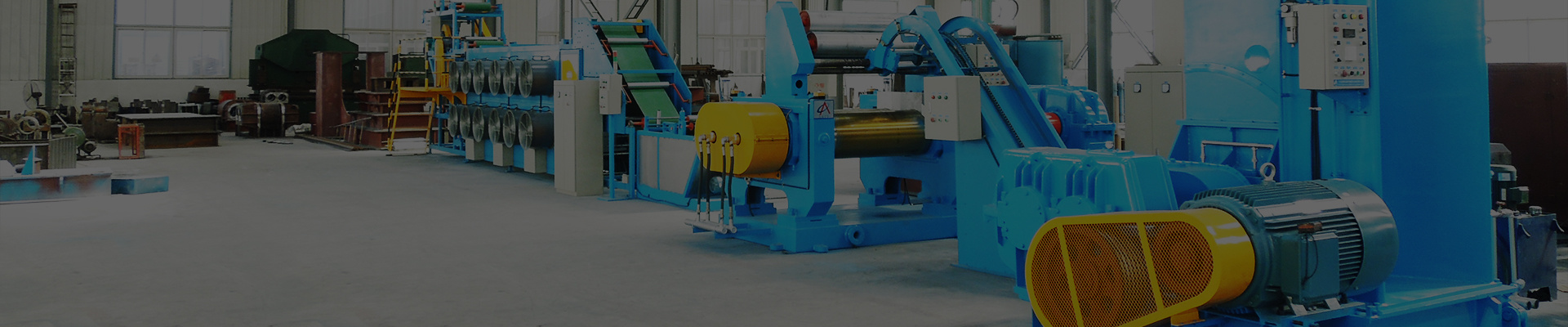
Demystifying the Process: How Rubber Kneaders Work
Time of issue:
2024-08-15
Demystifying the Process: How Rubber Kneaders Work Table of Contents 1. Introduction to Rubber Kneaders 2. Importance of Rubber Kneaders in Manufacturing 3. How Rubber Kneaders Function 3.1 Key Components of a Rubber Kneader 3.2 Operational Mechanism 4. Applications of Rubber Kneaders 5. Advantages of Using Rubber Kneaders 6. Choos
Demystifying the Process: How Rubber Kneaders Work
Table of Contents
- 1. Introduction to Rubber Kneaders
- 2. Importance of Rubber Kneaders in Manufacturing
- 3. How Rubber Kneaders Function
- 4. Applications of Rubber Kneaders
- 5. Advantages of Using Rubber Kneaders
- 6. Choosing the Right Rubber Kneader
- 7. Maintenance and Care for Rubber Kneaders
- 8. Frequently Asked Questions
- 9. Conclusion
1. Introduction to Rubber Kneaders
Rubber kneaders are critical machines in the production of rubber materials, known for their ability to blend various components effectively. In the manufacturing process, achieving uniformity in material properties is crucial, and that's where rubber kneaders excel. This comprehensive article delves into the intricacies of rubber kneaders, explaining their mechanisms, applications, and advantages while helping you understand why these machines are indispensable in the rubber industry.
2. Importance of Rubber Kneaders in Manufacturing
The role of rubber kneaders in manufacturing cannot be overstated. They facilitate the mixing of raw rubber with fillers, accelerators, and other additives, ensuring a homogeneous mixture before it undergoes further processing. This process is vital for achieving desired physical and chemical properties in the final rubber products. By employing rubber kneaders, manufacturers can enhance product quality, reduce waste, and optimize production efficiency.
3. How Rubber Kneaders Function
Rubber kneaders operate using a unique mechanical process that combines materials through intense shear and mixing. Understanding the mechanism behind rubber kneaders can shed light on their effectiveness in rubber processing.
3.1 Key Components of a Rubber Kneader
Rubber kneaders consist of several key components that contribute to their functionality:
- **Kneading Chambers**: These are the main mixing zones where the rubber and additives are combined.
- **Rotors**: Typically, there are two intermeshing rotors that rotate in opposite directions to create a shear effect, enhancing the mixing process.
- **Heating/Cooling System**: Temperature control is crucial during mixing; therefore, rubber kneaders are equipped with heating/cooling systems to maintain optimal processing temperatures.
- **Discharge System**: Once the mixing process is complete, the material is expelled through a discharge system, ready for further processing.
3.2 Operational Mechanism
The operational mechanism of rubber kneaders involves several steps:
1. **Material Loading**: Raw rubber and additives are loaded into the kneading chamber.
2. **Mixing Process**: The rotors rotate, generating shear and promoting effective mixing of the components.
3. **Temperature Regulation**: The heating/cooling system ensures that the material remains within a specific temperature range, preventing premature curing of the rubber.
4. **Discharge of Mixture**: Once the desired mixing is achieved, the homogeneous rubber mixture is discharged for further processing.
4. Applications of Rubber Kneaders
Rubber kneaders are utilized in various applications across multiple industries, including:
- **Tire Manufacturing**: Rubber kneaders are essential for creating tire compounds, ensuring uniformity and performance.
- **Automotive Parts**: They are used to produce rubber seals, gaskets, and other components required in automotive manufacturing.
- **Footwear Production**: Rubber kneaders help create the rubber soles and components used in shoe manufacturing.
- **Industrial Products**: Various industrial rubber products, such as hoses and belts, are produced using rubber kneaders.
5. Advantages of Using Rubber Kneaders
Rubber kneaders offer numerous advantages, making them a preferred choice for manufacturers:
- **Uniform Mixing**: They ensure consistent material properties, leading to higher quality end products.
- **Efficiency**: The fast mixing process reduces production time, allowing for higher output.
- **Versatility**: Rubber kneaders can process various rubber compounds, making them adaptable to different manufacturing needs.
- **Cost-Effectiveness**: By minimizing waste and optimizing production, rubber kneaders contribute to cost savings.
6. Choosing the Right Rubber Kneader
Selecting the appropriate rubber kneader for your manufacturing needs requires careful consideration of several factors:
- **Production Capacity**: Evaluate the amount of rubber you need to process regularly.
- **Type of Rubber**: Different rubber formulations may require specific kneader configurations.
- **Mixing Efficiency**: Look for features that enhance mixing efficiency, such as advanced rotor designs.
- **Budget**: Determine your budget constraints while considering the long-term benefits of the machine.
7. Maintenance and Care for Rubber Kneaders
Proper maintenance is crucial for ensuring the longevity and efficiency of rubber kneaders. Consider the following maintenance tips:
- **Regular Inspection**: Conduct frequent inspections to identify any wear or damage to components.
- **Lubrication**: Keep moving parts well-lubricated to prevent friction and wear.
- **Cleaning**: Regularly clean the kneading chamber and rotors to prevent contamination of materials.
- **Temperature Monitoring**: Keep an eye on the temperature control systems to ensure they function correctly.
8. Frequently Asked Questions
What materials can be processed using rubber kneaders?
Rubber kneaders can process various materials, including natural and synthetic rubber, fillers, and additives.
How do I know if my rubber kneader is functioning properly?
Regular monitoring of mixing consistency, temperature control, and inspection of components can help determine if your kneader is functioning as intended.
What is the typical lifespan of a rubber kneader?
With proper maintenance, rubber kneaders can last for many years, often exceeding a decade in durability and performance.
Are there any safety concerns associated with rubber kneaders?
Yes, operators should take precautions to handle hot materials and ensure proper training is provided to minimize risks.
Can rubber kneaders be customized for specific processes?
Many manufacturers offer customizable options for rubber kneaders to suit specific production needs and rubber formulations.
9. Conclusion
Rubber kneaders play a pivotal role in the manufacturing of rubber products, providing an efficient and effective method for blending raw materials. Understanding their mechanisms, applications, and benefits can greatly enhance production processes in the rubber industry. By investing in the right rubber kneader and maintaining it properly, manufacturers can ensure high-quality outputs, optimize their operations, and contribute to the overall advancement of rubber processing technology.
Relevant Information
The Second Day of the Shanghai Exhibition
2025-09-18
The second day of the Greater Bay Area Expo
2025-05-16

ADD
Room 3718,No.9-1.Haifu Road,Dalian Free Trade Zone,China(Liaoning)Free Trade Pilot Area
PRODUCTS