



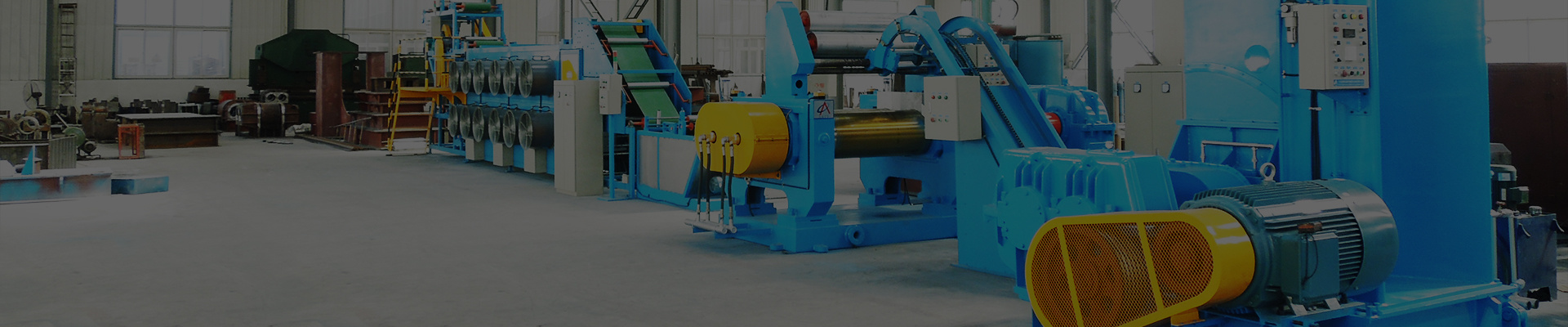
The Advantages of Using Rubber Kneader Machines in the Manufacturing Industry
Time of issue:
2024-08-17
The Advantages of Using Rubber Kneader Machines in the Manufacturing Industry Introduction to Rubber Kneader Machines In the realm of manufacturing, the efficiency and effectiveness of the machinery used can greatly influence product quality and operational costs. Among the innovative machines that have transformed production processes is the **rubber kneader machine**. These machines play a vital
The Advantages of Using Rubber Kneader Machines in the Manufacturing Industry
Introduction to Rubber Kneader Machines
In the realm of manufacturing, the efficiency and effectiveness of the machinery used can greatly influence product quality and operational costs. Among the innovative machines that have transformed production processes is the **rubber kneader machine**. These machines play a vital role in the mixing, blending, and processing of various materials. By diving deep into the advantages of rubber kneader machines, we can better understand their impact on the manufacturing industry.
What is a Rubber Kneader Machine?
A **rubber kneader machine** is a specialized industrial mixer designed primarily for processing rubber and plastic materials. Featuring two intermeshing rotors, these machines facilitate the thorough blending of raw materials, ensuring a homogenous mixture that meets precise specifications. The kneader's ability to handle high-viscosity materials makes it invaluable in industries such as automotive, consumer goods, and construction.
Key Components of Rubber Kneader Machines
Understanding the components of a rubber kneader machine helps elucidate its functionality:
- **Rotors**: The primary mixing elements, which can be configured to suit specific processing needs.
- **Barrel**: Houses the rotors and ensures consistent temperature control.
- **Heating and Cooling Systems**: These systems regulate the temperature during processing, preserving the material's integrity.
- **Feeding Mechanism**: Facilitates the introduction of raw materials into the mixing chamber.
- **Discharge System**: Ensures the efficient removal of the finished product.
The Role of Rubber Kneader Machines in Manufacturing
Rubber kneader machines serve as a cornerstone in various manufacturing processes. Their ability to achieve consistent and high-quality output fosters enhanced productivity. Here are the key roles they play:
Enhancing Material Consistency
One of the primary advantages of rubber kneader machines is their capability to produce **uniform mixtures**. This consistency is crucial for ensuring that subsequent manufacturing processes—such as molding or extrusion—yield high-quality final products. In industries such as automotive manufacturing, where precision is paramount, the ability to maintain material consistency can significantly reduce waste and defects.
Reducing Production Time
The efficiency of rubber kneader machines translates to faster production cycles. By optimizing the mixing process and reducing the time required for material preparation, manufacturers can increase output without compromising quality. This efficiency is particularly beneficial in competitive markets where meeting demand promptly is essential.
Improving Product Quality
The thorough blending facilitated by rubber kneader machines enhances the overall quality of the end product. By ensuring that all components are evenly distributed, manufacturers can achieve superior performance characteristics, such as strength, elasticity, and durability. These attributes are especially important in industries like tire manufacturing, where product quality directly impacts safety and performance.
Versatile Applications
Rubber kneader machines find applications across various sectors. Their versatility allows them to process not only rubber but also thermoplastics and other composite materials. This adaptability makes them an essential tool for manufacturers who require flexibility in their production lines.
Cost-Effectiveness of Rubber Kneader Machines
Implementing rubber kneader machines can lead to significant cost savings for manufacturers. Here’s how:
Minimizing Material Waste
The precise mixing capabilities of rubber kneaders help minimize material waste. By achieving uniform consistency, the likelihood of defects due to uneven mixing is significantly reduced. This translates to lower costs associated with raw materials and rework.
Energy Efficiency
Rubber kneader machines are designed to operate efficiently, consuming less energy compared to traditional mixing methods. This reduced energy consumption not only lowers operational costs but also aligns with sustainable practices that many manufacturers are now prioritizing.
Long-Term Durability and Low Maintenance
Investing in a high-quality rubber kneader machine often results in lower maintenance costs over time. These machines are built to withstand the rigors of industrial use, requiring less frequent repairs and replacements. Consequently, manufacturers can benefit from uninterrupted production cycles.
Technological Innovations in Rubber Kneader Machines
The evolution of rubber kneader technology continues to enhance their efficiency and performance. Recent innovations include:
Automation and Smart Technology
Modern rubber kneader machines increasingly incorporate automation and smart technology. These advancements facilitate real-time monitoring and control of the mixing process, allowing for immediate adjustments to optimize performance. As a result, manufacturers can achieve greater precision and efficiency.
Advanced Materials and Coatings
New materials and coatings are being used in the construction of rubber kneader machines, improving their durability and thermal efficiency. These advancements ensure that machines can operate under various conditions without compromising performance.
Choosing the Right Rubber Kneader Machine
Selecting the appropriate rubber kneader machine involves several considerations:
Production Volume and Scale
Manufacturers should evaluate their production needs and select a machine that can handle the required volume. Different models cater to small-scale operations or large production lines.
Material Compatibility
It’s crucial to assess whether the rubber kneader machine can process the specific materials used in your manufacturing processes. Compatibility ensures optimal mixing and product quality.
Budget Constraints
While it’s important to invest in quality machinery, manufacturers should also consider their budget. Analyzing the total cost of ownership—including maintenance and operational costs—can help in making an informed decision.
FAQs About Rubber Kneader Machines
1. What industries benefit most from rubber kneader machines?
Rubber kneader machines are widely used in the automotive, consumer goods, and construction industries due to their ability to process various materials effectively.
2. How do rubber kneader machines differ from traditional mixers?
Rubber kneader machines feature intermeshing rotors that provide superior mixing capabilities, especially for high-viscosity materials, compared to traditional mixers.
3. Can rubber kneader machines handle both rubber and plastic materials?
Yes, rubber kneader machines are versatile and can effectively process rubber, thermoplastics, and other composite materials.
4. What maintenance practices are recommended for rubber kneader machines?
Regular cleaning, lubrication of moving parts, and inspections for wear and tear are essential maintenance practices to ensure optimal performance.
5. How does automation improve the performance of rubber kneader machines?
Automation allows for real-time monitoring and adjustments, enhancing precision, efficiency, and consistency in the mixing process.
Conclusion
Rubber kneader machines stand as pivotal equipment in the manufacturing industry, significantly enhancing production efficiency, product quality, and cost-effectiveness. Their ability to deliver consistent, high-quality mixtures makes them indispensable in various sectors. As technological advancements continue to shape this machinery, manufacturers can expect even greater capabilities that will further revolutionize their production processes. By investing in rubber kneader machines, businesses can ensure they remain competitive in a rapidly evolving market while meeting the demands of their customers.
Relevant Information
The Second Day of the Shanghai Exhibition
2025-09-18
The second day of the Greater Bay Area Expo
2025-05-16

ADD
Room 3718,No.9-1.Haifu Road,Dalian Free Trade Zone,China(Liaoning)Free Trade Pilot Area
PRODUCTS