



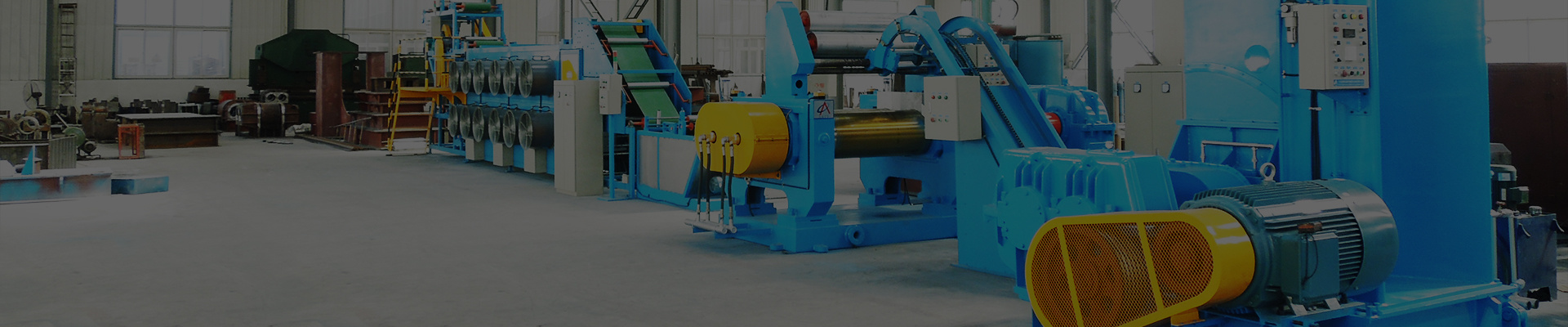
The Ultimate Guide to Choosing a Quality Plastic Pellet Making Machine
Time of issue:
2025-04-01
The Ultimate Guide to Choosing a Quality Plastic Pellet Making Machine Table of Contents Introduction to Plastic Pellet Making Machines Understanding Plastic Pelletization Key Features to Consider When Choosing a Machine Types of Plastic Pellet Making Machines Choosing the Right Size and Capacity Energy Efficiency and Cost Considerations Maintenance and After-Sales Sup
The Ultimate Guide to Choosing a Quality Plastic Pellet Making Machine
Table of Contents
- Introduction to Plastic Pellet Making Machines
- Understanding Plastic Pelletization
- Key Features to Consider When Choosing a Machine
- Types of Plastic Pellet Making Machines
- Choosing the Right Size and Capacity
- Energy Efficiency and Cost Considerations
- Maintenance and After-Sales Support
- Troubleshooting Common Issues
- Conclusion
- Frequently Asked Questions
Introduction to Plastic Pellet Making Machines
In the world of manufacturing, efficiency and quality play pivotal roles in determining success. **Plastic pellet making machines** serve as the cornerstone of plastic processing, converting raw plastic material into usable pellets. These pellets are essential for various applications, including injection molding, extrusion, and blow molding. Understanding how to choose a quality machine tailored to your specific needs can greatly influence both production efficiency and product quality.
Understanding Plastic Pelletization
Plastic pelletization is a process that involves the conversion of raw plastic materials into small, round pellets. This process includes several critical stages, such as melting, mixing, and forming. The **plastic pellet making machine** must efficiently handle these stages to ensure a consistent quality product.
During the **pelletization** process, the raw materials are subjected to heat and pressure. The molten plastic is then cooled, solidified, and cut into uniformly sized pellets. This uniformity is crucial; uneven pellet sizes can lead to inconsistent quality in the final product. Thus, selecting a machine that can accurately control the temperature and pressure during the manufacturing process is vital.
Key Features to Consider When Choosing a Machine
When selecting a **plastic pellet making machine**, several key features should undoubtedly influence your choice:
1. **Material Compatibility**
Ensure that the machine can handle the specific types of plastic you plan to process, such as ABS, PVC, or PE.
2. **Output Capacity**
Assess your production needs. Machines come in various output capacities, from small-scale operations to high-output industrial machines.
3. **Energy Efficiency**
Look for machines designed with energy-saving features that can reduce operational costs in the long run.
4. **Control Systems**
Advanced machines come equipped with digital control systems that allow for precise adjustments in temperature and speed, ensuring better-quality pellets.
5. **Ease of Maintenance**
Choose machines that are easy to maintain and come with comprehensive maintenance guides. This will save time and reduce operational downtime.
Types of Plastic Pellet Making Machines
There are several types of plastic pellet making machines available in the market. Understanding these can help you choose the right one for your needs:
1. **Single Screw Extruder**
This is the most common type of plastic pellet making machine. It features a single screw that moves the material through a heated barrel.
2. **Twin Screw Extruder**
Ideal for processing materials that require high mixing efficiency, the twin screw extruder has two intermeshing screws that allow for better control and consistency.
3. **Sheet Extruders**
These machines are designed specifically for producing sheets of plastic, which can then be cut into pellets.
4. **Compounding Machines**
These machines are used for blending different types of plastics together, allowing for the creation of specialized pellets.
Choosing the Right Size and Capacity
Selecting the right size and capacity for your **plastic pellet making machine** is crucial for effective production.
1. **Assess Your Production Volume**
Determine your daily production needs. Machines are available in various sizes to accommodate small, medium, or large-scale operations.
2. **Future Expansion**
Consider potential business growth. Opting for a machine with a larger capacity than currently needed can be a wise investment if you anticipate increased demand.
3. **Space Availability**
Evaluate your workspace. Ensure that the machine fits comfortably within your production area, allowing for necessary maintenance access and workflow efficiency.
Energy Efficiency and Cost Considerations
Energy efficiency is a significant factor in the overall cost of operating a plastic pellet making machine.
1. **Initial Investment**
While high-quality machines may require a more considerable upfront investment, their efficiency can lead to significant long-term savings.
2. **Energy Consumption**
Research machines that boast lower energy consumption rates. Energy-efficient machines can drastically reduce operational costs.
3. **Total Cost of Ownership**
Consider all associated costs, including maintenance, repairs, and operational expenses, to determine the most cost-effective option.
Maintenance and After-Sales Support
A good maintenance plan is essential for the longevity of your machine.
1. **Regular Maintenance Schedule**
Establishing a regular maintenance schedule will help prevent downtime and extend the life of your machine.
2. **Manufacturer Support**
Choose manufacturers that provide comprehensive support and resources such as repair services, maintenance guides, and spare parts availability.
3. **User Training**
Invest in training for your staff to ensure they are familiar with the machine's operations and maintenance requirements.
Troubleshooting Common Issues
Even the best machines can encounter issues. Understanding common problems can save time and money.
1. **Inconsistent Pellet Size**
This can result from incorrect settings or wear and tear on the cutting knives. Regularly inspect and maintain these components.
2. **Overheating**
Ensure that the cooling system is functioning correctly. Overheating can lead to material degradation and machine damage.
3. **Mechanical Failures**
Regular lubrication and inspection of moving parts can mitigate many mechanical failures.
Conclusion
Choosing a quality plastic pellet making machine is an investment that can significantly impact your production efficiency and product quality. By understanding the various machine types, key features, and maintenance requirements, you can make an informed decision that aligns with your business goals. Prioritize energy efficiency, capacity needs, and reliable after-sales support to ensure a successful operation.
Frequently Asked Questions
1. What is a plastic pellet making machine?
A plastic pellet making machine is a piece of equipment that converts raw plastic materials into small, usable pellets through processes such as melting, mixing, and forming.
2. How do I determine the right capacity for my machine?
Assess your production needs, current demand, and potential growth to determine the appropriate size and capacity for your plastic pellet making machine.
3. What types of plastics can be processed?
Most machines can process various plastics, including ABS, PVC, PE, and others. Check compatibility with your specific materials before purchasing.
4. How often should I maintain my machine?
Establish a regular maintenance schedule based on the manufacturer's recommendations and your operational intensity to ensure optimal performance.
5. What are the common issues that can arise with these machines?
Common issues include inconsistent pellet size, overheating, and mechanical failures. Regular maintenance and prompt troubleshooting can mitigate these problems.
By following this ultimate guide, you can confidently select a plastic pellet making machine that meets your production needs, ensuring quality output and operational efficiency in your manufacturing process.
Relevant Information
The Second Day of the Shanghai Exhibition
2025-09-18
The second day of the Greater Bay Area Expo
2025-05-16

ADD
Room 3718,No.9-1.Haifu Road,Dalian Free Trade Zone,China(Liaoning)Free Trade Pilot Area
PRODUCTS