



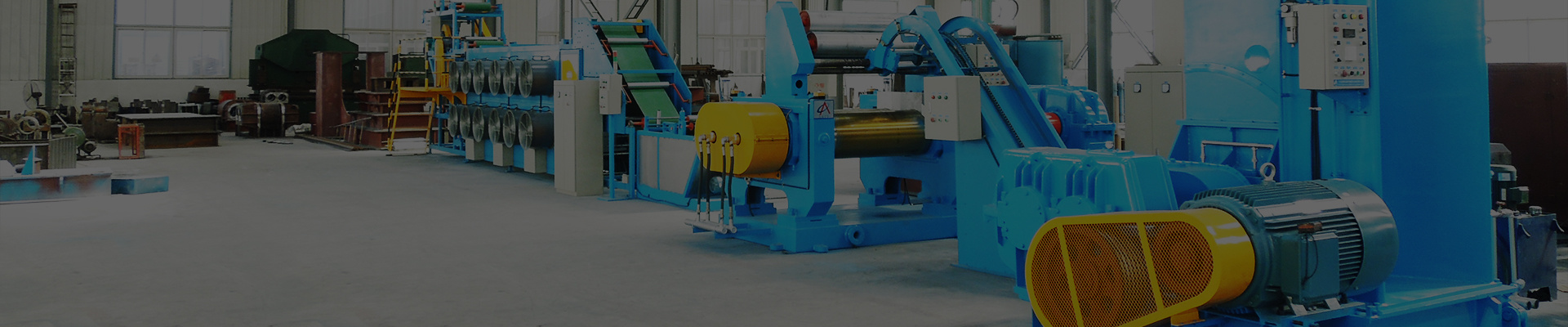
Case Studies: Successful Implementation of China Rubber Kneader Machines
Time of issue:
2025-04-18
Case Studies: Successful Implementation of China Rubber Kneader Machines Introduction to China Rubber Kneader Machines Rubber kneader machines have revolutionized the manufacturing landscape, particularly in the rubber industry. These versatile machines play a crucial role in mixing and processing rubber compounds, ultimately leading to improved product quality and production efficiency. China has
Case Studies: Successful Implementation of China Rubber Kneader Machines
Introduction to China Rubber Kneader Machines
Rubber kneader machines have revolutionized the manufacturing landscape, particularly in the rubber industry. These versatile machines play a crucial role in mixing and processing rubber compounds, ultimately leading to improved product quality and production efficiency. China has emerged as a leader in rubber kneader technology, offering advanced solutions that cater to a diverse range of manufacturing requirements.
In this article, we will delve into several **case studies** highlighting the **successful implementation** of China rubber kneader machines. These examples will illustrate the machines' impact on productivity, cost-effectiveness, and overall operational excellence across various industries.
Table of Contents
- Understanding Rubber Kneader Machines
- Benefits of Chinese Rubber Kneader Machines
- Case Study 1: High-Performance Rubber Kneader in Automotive Manufacturing
- Case Study 2: Innovative Rubber Kneader in Consumer Goods Manufacturing
- Case Study 3: Utilizing Rubber Kneaders in Medical Device Production
- Key Takeaways from the Case Studies
- Future Trends in Rubber Kneader Technology
- FAQs About Rubber Kneader Machines
- Conclusion
Understanding Rubber Kneader Machines
Rubber kneader machines, often referred to as twin-screw kneaders or internal mixers, are designed to combine various rubber materials under controlled conditions. They operate by applying mechanical energy through a series of rotating screws, which mix, heat, and shear the rubber components. This process results in a homogeneous rubber compound that meets specific performance criteria.
These machines are equipped with advanced features such as automatic temperature control, programmable settings, and user-friendly interfaces, making them ideal for both small-scale operations and large industrial applications.
Benefits of Chinese Rubber Kneader Machines
The advancements in rubber kneader technology from China offer several advantages.
1. Cost-Effectiveness
China's rubber kneader machines are competitively priced without compromising quality. This affordability enables businesses of all sizes to invest in advanced manufacturing technology, thereby reducing operational costs.
2. Enhanced Productivity
These machines are designed for high throughput, allowing manufacturers to produce large quantities of rubber compounds in shorter time frames. The efficiency of rubber kneaders often leads to increased output and reduced labor costs.
3. Precision and Quality Control
Chinese manufacturers incorporate state-of-the-art technology into their rubber kneaders, ensuring precision in mixing and temperature control. This capability results in improved product consistency and quality.
4. Versatility
Rubber kneader machines can be adapted for various applications, from pharmaceuticals to automotive products, making them a versatile addition to any production line.
Case Study 1: High-Performance Rubber Kneader in Automotive Manufacturing
In the automotive sector, the demand for high-performance rubber components is ever-increasing. A leading automotive manufacturer in China implemented a modern rubber kneader machine to enhance its production capabilities for tire manufacturing.
Challenges Faced
The manufacturer struggled with inconsistent product quality and inefficient mixing processes. The existing equipment did not meet the high standards required for performance and durability in automotive applications.
Implementation of the Rubber Kneader Machine
After evaluating various options, the company opted for a high-performance rubber kneader from a reputable Chinese manufacturer. The new machine featured advanced mixing technology, automatic temperature control, and enhanced throughput capabilities.
Results Achieved
Post-implementation, the automotive manufacturer reported a **30% increase in production efficiency**, alongside a significant reduction in reject rates due to improved quality control. The machine's capability to handle different rubber compounds without sacrificing quality made it a valuable asset in the production line.
Case Study 2: Innovative Rubber Kneader in Consumer Goods Manufacturing
A leading company specializing in consumer goods sought to innovate its product line by introducing new rubber-based items, such as toys and household products.
Challenges Faced
The manufacturer encountered issues with the scalability of production and the ability to meet market demands. The existing mixing equipment could not keep up with the increased production requirements.
Implementation of the Rubber Kneader Machine
The firm invested in a state-of-the-art rubber kneader machine, specifically designed for producing diverse rubber compounds. This machine provided flexibility to switch between formulations while maintaining high quality.
Results Achieved
The new rubber kneader machine enabled the company to double its production capacity within the first quarter of its operation. Moreover, the firm successfully launched new products that met consumer expectations, significantly boosting sales and market presence.
Case Study 3: Utilizing Rubber Kneaders in Medical Device Production
In the medical industry, the demand for precision-engineered rubber components is vital for various applications, including seals, gaskets, and tubing.
Challenges Faced
A medical device manufacturer faced challenges with compliance to stringent industry standards and quality assurance in the production of rubber components.
Implementation of the Rubber Kneader Machine
The company integrated a specialized rubber kneader machine designed for medical applications, ensuring that it met all necessary regulatory requirements. The machine included features for enhanced cleanliness and control of materials used in production.
Results Achieved
The introduction of the rubber kneader machine resulted in **improved quality compliance** with industry standards. The manufacturer reported a 40% reduction in production time for rubber components, leading to faster product launches and a stronger competitive position in the market.
Key Takeaways from the Case Studies
The implementation of Chinese rubber kneader machines has proven beneficial across various industries. Here are some key takeaways:
1. Adaptability Drives Success
The ability to adapt and customize rubber kneader machines for specific applications significantly enhances productivity and product quality.
2. Importance of Technology
Investing in advanced technology leads to improved operational efficiency and a competitive edge in the marketplace.
3. Quality Control is Essential
Maintaining consistent quality through precise mixing processes is critical, especially in industries with strict regulatory requirements.
Future Trends in Rubber Kneader Technology
The future of rubber kneader technology looks promising, with several trends shaping the industry:
1. Automation and Smart Technology
Incorporating automation and smart technology will further enhance the efficiency of rubber kneaders, allowing for real-time monitoring and adjustments.
2. Eco-Friendly Solutions
As sustainability becomes a priority, manufacturers are focusing on developing eco-friendly rubber compounds, necessitating machines that can efficiently mix these materials.
3. Enhanced Data Analytics
The integration of data analytics into rubber kneader operations will provide deeper insights into production processes, enabling manufacturers to optimize their operations further.
FAQs About Rubber Kneader Machines
1. What is a rubber kneader machine?
A rubber kneader machine is a specialized device used for mixing and processing rubber materials to create uniform rubber compounds.
2. How does a rubber kneader machine work?
Rubber kneader machines use rotating screws to apply mechanical energy to rubber materials, mixing them under controlled temperatures to achieve desired consistencies.
3. What industries use rubber kneader machines?
Rubber kneader machines are used across various industries, including automotive, consumer goods, medical devices, and more.
4. What are the benefits of using a rubber kneader machine?
Benefits include improved productivity, cost-effectiveness, enhanced product quality, and versatility in handling different rubber formulations.
5. How do I choose the right rubber kneader machine for my business?
Consider factors such as production capacity, application requirements, and technology features when selecting a rubber kneader machine.
Conclusion
The successful implementation of China rubber kneader machines across various industries demonstrates their transformative impact on manufacturing processes. Through real-world case studies, we have explored how these machines enhance productivity, ensure quality, and meet the evolving demands of today's market. The continuous advancements in rubber kneader technology will undoubtedly pave the way for further innovations, making them indispensable in the manufacturing landscape. As businesses continue to seek efficiency and excellence, rubber kneader machines will play a critical role in shaping the future of production.
Relevant Information
The Second Day of the Shanghai Exhibition
2025-09-18
The second day of the Greater Bay Area Expo
2025-05-16

ADD
Room 3718,No.9-1.Haifu Road,Dalian Free Trade Zone,China(Liaoning)Free Trade Pilot Area
PRODUCTS