



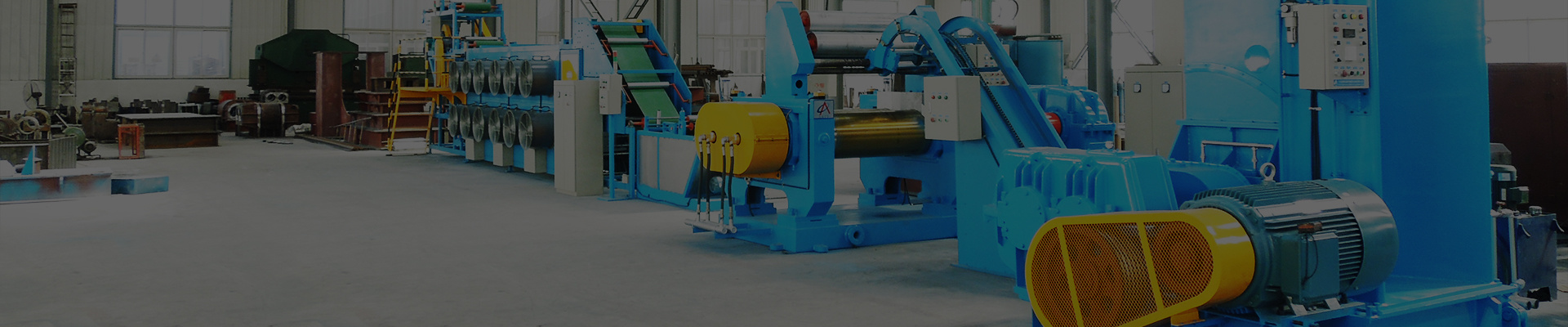
Automated Conveying Systems: The Revolution in Rubber Processing Machinery Industry
Time of issue:
2023-11-14
Table of Contents 1. Introduction: The Evolution of Rubber Processing Machinery 2. Understanding Automated Conveying Systems 3. Advantages of Automated Conveying Systems in Rubber Processing 4. Streamlining Production Processes with Automated Conveying Systems 5. Enhanced Efficiency and Productivity 6. Cost Savings and Waste Reduction 7. Ensuring Quality Control and Consistency 8. Safety and Ergon
1. Introduction: The Evolution of Rubber Processing Machinery
2. Understanding Automated Conveying Systems
3. Advantages of Automated Conveying Systems in Rubber Processing
4. Streamlining Production Processes with Automated Conveying Systems
5. Enhanced Efficiency and Productivity
6. Cost Savings and Waste Reduction
7. Ensuring Quality Control and Consistency
8. Safety and Ergonomics in Rubber Processing
9. FAQs about Automated Conveying Systems in Rubber Processing
9.1. How do automated conveying systems work?
9.2. Are automated conveying systems suitable for all types of rubber processing?
9.3. What are the key components of an automated conveying system?
9.4. How can automated conveying systems improve operational efficiency?
9.5. Are automated conveying systems expensive to implement?
10. Conclusion: Embracing the Future of Rubber Processing Machinery
1. Introduction: The Evolution of Rubber Processing Machinery
The rubber processing machinery industry has witnessed significant advancements over the years. From manual labor-intensive processes to the introduction of mechanized equipment, the industry has constantly evolved to meet the growing demand for rubber products. Today, the rise of automated conveying systems marks a new era in rubber processing, promising increased efficiency, productivity, and cost savings.
2. Understanding Automated Conveying Systems
Automated conveying systems refer to a network of interconnected machinery and equipment designed to transport raw materials, semi-finished products, and finished goods within a production facility. These systems utilize automation technologies, such as conveyor belts, robotic arms, and computer-controlled systems, to streamline the movement of materials throughout the manufacturing process.
3. Advantages of Automated Conveying Systems in Rubber Processing
Automated conveying systems offer numerous advantages to the rubber processing machinery industry. These include:
4. Streamlining Production Processes with Automated Conveying Systems
By automating the movement of materials, automated conveying systems eliminate the need for manual handling and transportation. This streamlines production processes, reduces labor requirements, and minimizes the risk of human error. With the ability to handle large volumes of materials at a faster pace, these systems contribute to increased productivity and overall operational efficiency.
5. Enhanced Efficiency and Productivity
Automated conveying systems optimize the flow of materials within a manufacturing facility, ensuring a continuous and smooth operation. With precise control over the movement of materials, manufacturers can eliminate bottlenecks, reduce downtime, and achieve higher production rates. This increased efficiency translates into improved productivity and shorter lead times, enabling manufacturers to meet customer demands more effectively.
6. Cost Savings and Waste Reduction
Implementing automated conveying systems can lead to significant cost savings for rubber processing machinery manufacturers. By minimizing manual labor and streamlining processes, these systems reduce labor costs and allow for optimal utilization of resources. Moreover, the precise control over material flow enables better inventory management, reducing waste and minimizing the need for costly rework or product recalls.
7. Ensuring Quality Control and Consistency
Automated conveying systems play a crucial role in maintaining consistent quality standards in rubber processing. With precise control over material handling, manufacturers can ensure that raw materials are accurately measured, mixed, and processed. This eliminates variations in product quality, ensuring that every rubber product meets the required specifications. By automating quality control processes, manufacturers can also identify and rectify any deviations or defects in real-time, minimizing the risk of faulty products reaching the market.
8. Safety and Ergonomics in Rubber Processing
Automated conveying systems prioritize worker safety and ergonomics in rubber processing facilities. By reducing the need for manual handling and transportation, these systems minimize the risk of physical injuries and musculoskeletal disorders among workers. Additionally, automated systems feature safety mechanisms and protocols that ensure the safe operation of machinery and protect workers from potential hazards.
9. FAQs about Automated Conveying Systems in Rubber Processing
9.1. How do automated conveying systems work?
Automated conveying systems utilize a combination of conveyor belts, robotic arms, sensors, and computer-controlled systems to transport materials within a manufacturing facility. These systems are programmed to move materials from one production stage to another, ensuring a seamless flow of materials throughout the entire process.
9.2. Are automated conveying systems suitable for all types of rubber processing?
Automated conveying systems can be customized to suit different types of rubber processing applications. Whether it involves material handling, mixing, molding, or finishing, these systems can be tailored to meet specific requirements and integrate seamlessly into existing production lines.
9.3. What are the key components of an automated conveying system?
Key components of an automated conveying system include conveyor belts, robotic arms, sensors, controllers, and computer systems. These components work together to ensure the smooth and efficient movement of materials within a manufacturing facility.
9.4. How can automated conveying systems improve operational efficiency?
Automated conveying systems improve operational efficiency by eliminating manual handling, reducing downtime, minimizing human error, and optimizing the flow of materials. These systems enable manufacturers to achieve higher production rates, meet customer demands more effectively, and reduce overall costs.
9.5. Are automated conveying systems expensive to implement?
While the initial investment in automated conveying systems may vary depending on the scale and complexity of the production facility, the long-term benefits often outweigh the costs. The cost savings achieved through improved efficiency, productivity, and waste reduction justify the investment in these advanced systems.
10. Conclusion: Embracing the Future of Rubber Processing Machinery
Automated conveying systems have revolutionized the rubber processing machinery industry with their efficiency, productivity, and cost-saving benefits. By streamlining production processes, enhancing efficiency, ensuring quality control, and prioritizing safety, these advanced systems offer a glimpse into the future of rubber processing. As manufacturers embrace this technological advancement, they position themselves for success in an increasingly competitive industry.
Relevant Information
The Second Day of the Shanghai Exhibition
2025-09-18
The second day of the Greater Bay Area Expo
2025-05-16

ADD
Room 3718,No.9-1.Haifu Road,Dalian Free Trade Zone,China(Liaoning)Free Trade Pilot Area
PRODUCTS