



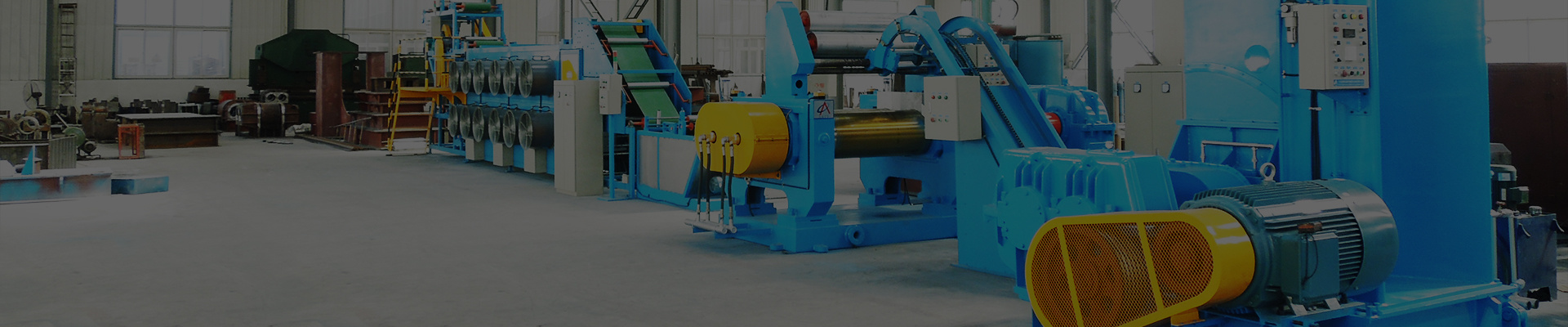
Discover the Future of Rubber Processing: Conveyor Belt Rolling Machine
Time of issue:
2023-12-29
The conveyor belt rolling machine represents the future of rubber processing in the manufacturing industry. By automating the rolling and shaping process, these machines optimize efficiency,
Rubber processing plays a crucial role in various industries, including automotive, construction, and manufacturing. The production of conveyor belts, an essential component in multiple sectors, requires precision and quality. Traditional methods of rubber processing have faced challenges in terms of efficiency and productivity. The conveyor belt rolling machine emerged as a solution to overcome these limitations and streamline the production process.
2. The Importance of Conveyor Belt Rolling Machines:
Conveyor belt rolling machines are vital for rubber manufacturers as they offer numerous advantages. These machines specialize in rolling and shaping conveyor belts, ensuring uniformity and precision. By automating the process, manufacturers can save time, reduce labor costs, and enhance overall production efficiency. The importance of these machines cannot be understated, as they contribute to the production of high-quality conveyor belts that meet industry standards.
3. Understanding the Functionality of Conveyor Belt Rolling Machines:
Conveyor belt rolling machines are designed to efficiently roll and shape rubber conveyor belts. The process begins by feeding the rubber material into the machine, which is then rolled onto a drum. This drum rotates, ensuring uniformity and precision in the rolling process. As the rubber is rolled and shaped, any imperfections or defects are detected and corrected, resulting in high-quality conveyor belts.
4. Advantages of Conveyor Belt Rolling Machines for Rubber Manufacturers:
4.1 Increased Efficiency: The automation of the rolling process significantly improves efficiency, allowing manufacturers to produce conveyor belts at a faster pace.
4.2 Cost Savings: By reducing the need for manual labor, conveyor belt rolling machines help manufacturers save on labor costs, optimizing their operational expenses.
4.3 Enhanced Quality Control: These machines are equipped with advanced sensors and technology to detect and correct imperfections, ensuring the production of high-quality conveyor belts.
4.4 Consistency and Uniformity: The automated rolling process guarantees uniformity in the thickness and shape of the conveyor belts, resulting in consistent performance and durability.
4.5 Reduced Waste: With precise control over the rolling process, conveyor belt rolling machines minimize material waste, leading to cost-effective production.
5. Innovations in Conveyor Belt Rolling Machines:
Advancements in technology have led to the development of innovative features in conveyor belt rolling machines. These include:
5.1 Laser Measurement Systems: Laser measurement systems provide accurate measurements of the conveyor belt thickness, ensuring uniformity and precision.
5.2 Automated Defect Detection: Advanced sensors and imaging technology identify any defects or imperfections during the rolling process, allowing for immediate correction.
5.3 Real-time Monitoring: Conveyor belt rolling machines are equipped with monitoring systems that provide real-time data on production progress, allowing manufacturers to make informed decisions.
5.4 Customization Options: Some conveyor belt rolling machines offer customization features, allowing manufacturers to adapt the rolling process to specific requirements, such as belt width and material composition.
6. Enhancing Efficiency with Automated Conveyor Belt Rolling Machines:
Automation is a key aspect of conveyor belt rolling machines, enabling manufacturers to enhance efficiency and productivity. With features like automatic tension control, speed adjustment, and integrated control systems, these machines optimize the rolling process. Additionally, automated systems reduce the risk of human error, resulting in consistent, high-quality conveyor belts.
7. Considerations for Choosing the Right Conveyor Belt Rolling Machine:
When selecting a conveyor belt rolling machine, manufacturers should consider several factors:
7.1 Production Capacity: Assessing the desired production capacity helps determine the appropriate machine size and specifications.
7.2 Customization Options: Depending on specific requirements, manufacturers may opt for machines that offer customization features.
7.3 Maintenance and Support: Consider the availability of maintenance services and technical support to ensure smooth operation and minimal downtime.
7.4 Cost-effectiveness: Evaluate the overall cost of the machine, including initial investment, maintenance, and energy consumption, to determine its long-term viability.
8. Conclusion:
The conveyor belt rolling machine represents the future of rubber processing in the manufacturing industry. By automating the rolling and shaping process, these machines optimize efficiency, enhance productivity, and ensure the production of high-quality conveyor belts. Manufacturers can benefit from cost savings, reduced waste, and improved customization options. With continuous advancements in technology, conveyor belt rolling machines are poised to revolutionize the rubber processing industry, offering innovative solutions for the future.
Relevant Information
The Second Day of the Shanghai Exhibition
2025-09-18
The second day of the Greater Bay Area Expo
2025-05-16

ADD
Room 3718,No.9-1.Haifu Road,Dalian Free Trade Zone,China(Liaoning)Free Trade Pilot Area
PRODUCTS