



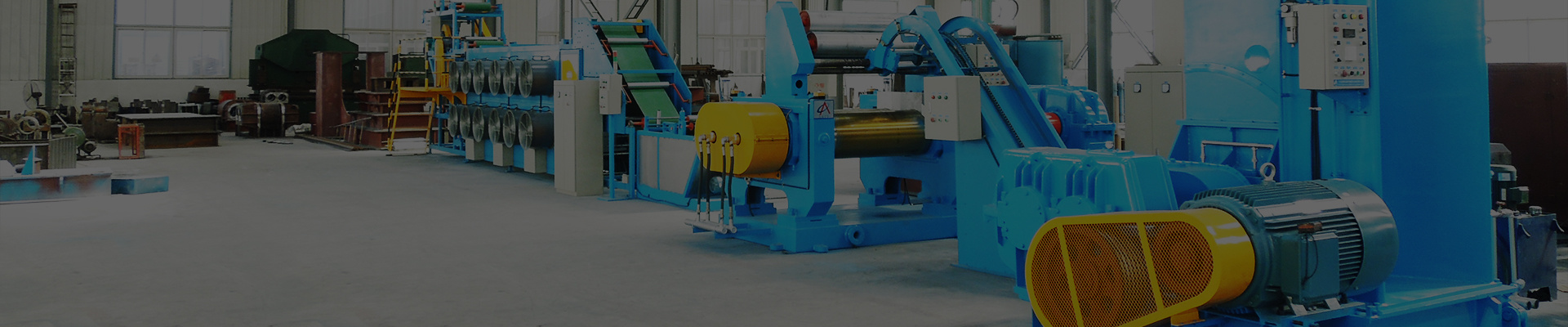
Efficient Material Conveyance: Enhancing Industrial Processes
Time of issue:
2024-03-02
**Introduction** In the fast-paced world of industrial manufacturing, the efficiency of material conveyance systems plays a crucial role in enhancing productivity and streamlining operations. From chain conveyors to belt conveyors, these essential components are the backbone of any manufacturing facility, ensuring the smooth and timely movement of materials throughout the production process. **The
In the fast-paced world of industrial manufacturing, the efficiency of material conveyance systems plays a crucial role in enhancing productivity and streamlining operations. From chain conveyors to belt conveyors, these essential components are the backbone of any manufacturing facility, ensuring the smooth and timely movement of materials throughout the production process.
**The Significance of Efficient Material Conveyance**
Efficient material conveyance is the key to enhancing industrial processes and maximizing output. By optimizing conveyance systems, manufacturers can reduce downtime, minimize waste, and improve overall operational efficiency. Whether it's transporting raw materials to production lines or finished products to distribution centers, a well-designed and properly maintained conveyor system can make a significant impact on the bottom line.
**Types of Conveyance Equipment**
1. **Chain Conveyors**
Chain conveyors are widely used in various industries for their durability, reliability, and versatility. These systems consist of interconnected chains that move materials along a predetermined path, making them ideal for heavy-duty applications. Whether it's transporting bulk materials or handling delicate products, chain conveyors are a popular choice for many manufacturing facilities.
2. **Belt Conveyors**
Belt conveyors are another common type of material conveyance equipment used in industrial processes. These systems utilize a continuous belt to transport materials from one point to another, making them suitable for both horizontal and inclined conveying. With various belt materials and configurations available, manufacturers can customize belt conveyors to meet their specific needs and requirements.
3. **Roller Conveyors**
Roller conveyors are ideal for transporting materials in a gravity-fed or powered fashion. These systems consist of rollers that rotate along a fixed path, allowing materials to move smoothly and efficiently. Roller conveyors are often used in assembly lines, warehousing operations, and distribution centers for their simplicity and ease of use.
**Benefits of Optimizing Material Conveyance Systems**
1. **Improved Efficiency**
By optimizing material conveyance systems, manufacturers can minimize bottlenecks, reduce lead times, and increase throughput. This leads to a more efficient production process and ultimately higher productivity.
2. **Enhanced Safety**
Well-designed conveyance systems contribute to a safer work environment by reducing manual handling, minimizing the risk of injuries, and ensuring proper material flow. By prioritizing safety, manufacturers can create a more sustainable and responsible workplace.
3. **Cost Savings**
Optimizing material conveyance systems can result in significant cost savings by reducing energy consumption, minimizing maintenance expenses, and increasing equipment longevity. By investing in efficient conveyance solutions, manufacturers can achieve a higher return on investment and improve their bottom line.
**FAQs**
1. **What are the key factors to consider when selecting material conveyance equipment?**
When choosing material conveyance equipment, factors such as material type, capacity requirements, operational environment, and maintenance considerations should be taken into account.
2. **How can I improve the performance of my existing conveyor system?**
Regular maintenance, lubrication, and monitoring of key components can help enhance the performance and longevity of your conveyor system.
3. **What role does automation play in modern material conveyance systems?**
Automation technologies such as sensors, PLCs, and robotics are increasingly integrated into conveyance systems to improve efficiency, accuracy, and reliability.
4. **How can I ensure the safety of my employees around conveyor equipment?**
Implementing proper training, safety protocols, and guarding mechanisms can help minimize the risk of accidents and injuries related to conveyor operations.
5. **What are the latest trends in material conveyance technology?**
Advancements in conveyor design, control systems, and IoT integration are shaping the future of material conveyance, with a focus on efficiency, sustainability, and adaptability.
**Conclusion**
Efficient material conveyance is essential for enhancing industrial processes and optimizing productivity. By investing in high-quality chain and conveyor equipment, manufacturers can streamline operations, reduce costs, and improve overall performance. With the right conveyance solutions in place, businesses can stay ahead of the competition and drive success in today's dynamic manufacturing landscape.
Relevant Information
The Second Day of the Shanghai Exhibition
2025-09-18
The second day of the Greater Bay Area Expo
2025-05-16

ADD
Room 3718,No.9-1.Haifu Road,Dalian Free Trade Zone,China(Liaoning)Free Trade Pilot Area
PRODUCTS