



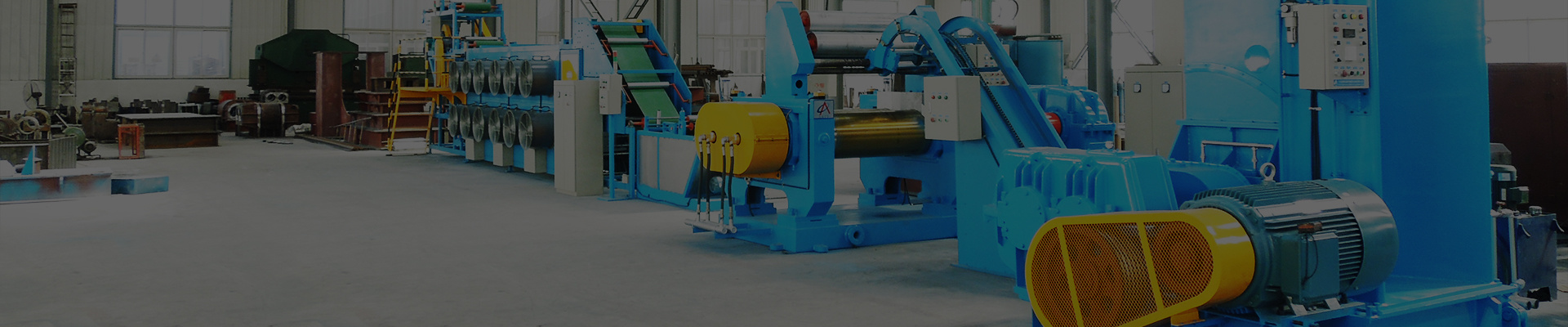
Enhancing Efficiency with Driven Wheel Technology in Construction Machinery
Time of issue:
2023-12-11
Table of Contents 1. Introduction: The Power of Driven Wheel Technology 2. Understanding Driven Wheel Technology 3. Advantages of Driven Wheel Technology in Construction Machinery 4. Applications of Driven Wheel Technology 5. Key Considerations when Implementing Driven Wheel Technology 6. Frequently Asked Questions (FAQs) 7. Conclusion 1. Introduction: The Power of Driven Wheel Technology Driven w
1. Introduction: The Power of Driven Wheel Technology
2. Understanding Driven Wheel Technology
3. Advantages of Driven Wheel Technology in Construction Machinery
4. Applications of Driven Wheel Technology
5. Key Considerations when Implementing Driven Wheel Technology
6. Frequently Asked Questions (FAQs)
7. Conclusion
1. Introduction: The Power of Driven Wheel Technology
Driven wheel technology is a game-changer in the construction machinery industry, offering remarkable benefits that significantly improve efficiency and productivity on construction sites. By harnessing the power of driven wheels, construction companies can optimize their operations and achieve outstanding results.
2. Understanding Driven Wheel Technology
Driven wheel technology refers to the integration of motorized wheels in construction machinery, enabling enhanced mobility and maneuverability. Unlike traditional machinery, which relies solely on tracks or tires, driven wheel technology utilizes individual motorized wheels. These wheels can be controlled independently, allowing operators to navigate challenging terrains with ease.
3. Advantages of Driven Wheel Technology in Construction Machinery
Driven wheel technology offers numerous advantages over conventional construction machinery. Let's explore some of the key benefits:
3.1 Increased Mobility
One of the significant advantages of driven wheel technology is the enhanced mobility it provides. The independent control of motorized wheels enables construction machinery to traverse uneven surfaces, climb steep slopes, and navigate confined spaces. This increased mobility allows operators to access previously inaccessible areas, expanding the scope of construction projects.
3.2 Improved Maneuverability
Driven wheel technology offers exceptional maneuverability, enabling construction machinery to make precise movements and navigate tight spaces effortlessly. The ability to control each wheel independently allows operators to execute complex maneuvers with ease, reducing the risk of accidents and improving overall productivity.
3.3 Enhanced Efficiency and Productivity
By leveraging driven wheel technology, construction companies can significantly enhance efficiency and productivity. The advanced mobility and maneuverability capabilities of driven wheel machinery enable faster project completion, reduced downtime, and increased overall output. This technology empowers construction teams to tackle projects more effectively, delivering exceptional results in less time.
3.4 Reduced Environmental Impact
Driven wheel technology not only benefits construction companies but also the environment. By optimizing efficiency and reducing fuel consumption, this technology helps minimize greenhouse gas emissions. Additionally, the improved mobility and maneuverability minimize damage to the surrounding environment, making it a sustainable choice for construction projects.
4. Applications of Driven Wheel Technology
Driven wheel technology finds applications in various construction machinery, including:
4.1 Excavators
Excavators equipped with driven wheel technology offer enhanced digging capabilities, improved maneuverability, and increased productivity. The ability to navigate challenging terrains and confined spaces makes driven wheel excavators invaluable on construction sites.
4.2 Loaders
Driven wheel loaders provide exceptional mobility and maneuverability, enabling efficient material handling and loading operations. These machines can navigate uneven surfaces and tight spaces, optimizing productivity and reducing manual labor.
4.3 Bulldozers
Driven wheel bulldozers are ideal for earthmoving and grading tasks. With their superior mobility and maneuverability, they can tackle rugged terrains and steep slopes, ensuring precise and efficient grading operations.
4.4 Cranes
Driven wheel cranes offer exceptional maneuverability, allowing operators to access tight spaces and perform lifting operations with precision. These cranes are vital in construction projects where space is limited.
5. Key Considerations when Implementing Driven Wheel Technology
While driven wheel technology offers significant benefits, there are several key considerations to keep in mind when implementing it in construction machinery:
5.1 Terrain Compatibility
It is crucial to assess the construction site's terrain to ensure compatibility with driven wheel technology. While it excels in uneven and challenging terrains, it may not be suitable for every environment. Understanding the site's conditions is essential for maximizing the effectiveness of driven wheel machinery.
5.2 Operator Training
Operators must receive comprehensive training on operating driven wheel machinery. Understanding the unique features, controls, and maneuvering techniques is crucial for utilizing the technology to its full potential and ensuring operator safety.
5.3 Maintenance and Support
Regular maintenance and support are essential to keep driven wheel machinery in optimal condition. Construction companies should establish a maintenance schedule and have access to expert support to address any technical issues promptly.
6. Frequently Asked Questions (FAQs)
FAQ 1: How does driven wheel technology improve construction efficiency?
Driven wheel technology improves construction efficiency by enhancing mobility, maneuverability, and productivity. It allows machinery to access challenging terrains, navigate tight spaces, and execute complex maneuvers, resulting in faster project completion and increased output.
FAQ 2: Can driven wheel technology be retrofitted to existing construction machinery?
In many cases, driven wheel technology can be retrofitted to existing construction machinery, eliminating the need for a complete replacement. However, feasibility depends on the specific machinery and its compatibility with the retrofitting process.
FAQ 3: Does driven wheel technology require additional maintenance compared to traditional machinery?
Driven wheel technology does not necessarily require additional maintenance compared to traditional machinery. Regular maintenance and support ensure optimal performance and longevity for both driven wheel and conventional machinery.
FAQ 4: Is driven wheel technology suitable for all construction projects?
While driven wheel technology offers numerous benefits, its suitability for construction projects depends on various factors. Assessing the terrain, project requirements, and machinery compatibility is crucial to determine whether driven wheel technology is the right choice.
FAQ 5: Can driven wheel technology contribute to cost savings?
Yes, driven wheel technology can contribute to cost savings in construction projects. By improving efficiency, reducing downtime, and increasing productivity, construction companies can achieve remarkable results within budget and time constraints.
7. Conclusion
Driven wheel technology is transforming the construction machinery industry, empowering construction companies to achieve exceptional results. From increased mobility and maneuverability to enhanced efficiency and reduced environmental impact, the benefits are undeniable. By leveraging driven wheel technology, construction companies can optimize their operations, boost productivity, and stay ahead in a competitive market. Embrace this innovative technology and unlock the full potential of your construction projects.
Relevant Information
The Second Day of the Shanghai Exhibition
2025-09-18
The second day of the Greater Bay Area Expo
2025-05-16

ADD
Room 3718,No.9-1.Haifu Road,Dalian Free Trade Zone,China(Liaoning)Free Trade Pilot Area
PRODUCTS