



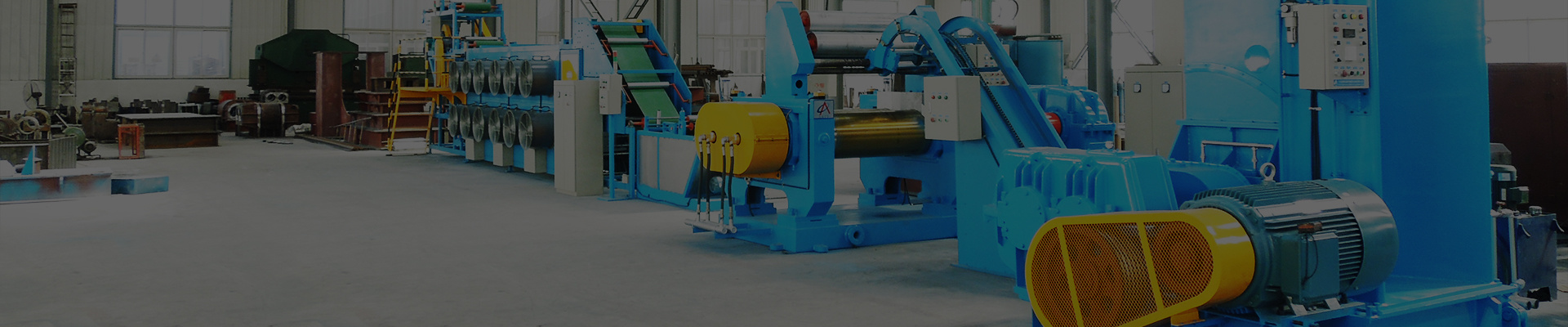
Enhancing Rubber Processing Safety with Internal Mixer Solutions
Time of issue:
2023-10-19
Internal mixer products offer numerous benefits that directly contribute to a secure working environment
1. Introduction: Ensuring Safety in Rubber Processing
In the rubber processing industry, safety is of utmost importance to protect workers and prevent accidents. This article explores how internal mixer solutions can play a crucial role in enhancing safety within rubber processing facilities. By adopting these innovative technologies, manufacturers can reduce risks and create a secure working environment.
2. Understanding Internal Mixers: Features and Functions
Internal mixers are advanced machinery used in rubber processing that combines and homogenizes raw materials to produce rubber compounds. These mixers consist of a closed chamber, rotors, and cooling systems. They operate by continuously mixing the rubber compounds, enhancing their quality and consistency.
2.1 Key Features of Internal Mixers
Internal mixers offer several key features that contribute to improved safety in rubber processing. These include:
- Closed chamber design to minimize exposure to hazardous materials
- Efficient cooling systems to prevent overheating and reduce fire hazards
- Advanced safety interlocks to ensure operator protection
- Real-time monitoring and control systems for enhanced safety measures
2.2 Functions of Internal Mixers
Internal mixers perform crucial functions in rubber processing, including:
- Mixing and blending raw materials
- Dispersing fillers and additives uniformly
- Controlling temperature and viscosity
- Removing impurities and air bubbles
3. Key Benefits of Internal Mixer Solutions for Safety Enhancement
By incorporating internal mixer solutions into rubber processing operations, manufacturers can enjoy a range of benefits that contribute to enhanced safety. These include:
3.1 Minimized Exposure to Hazardous Materials
With closed chambers and advanced safety features, internal mixers significantly reduce the risk of workers being exposed to hazardous materials. This helps prevent respiratory issues and other health-related concerns.
3.2 Temperature Control and Fire Prevention
Internal mixers are equipped with efficient cooling systems that regulate temperature and prevent overheating. This feature eliminates the risk of fire accidents and ensures a safe working environment.
3.3 Enhanced Operator Protection
The advanced safety interlocks in internal mixers provide operators with a high level of protection. These interlocks prevent unauthorized access to the machinery during operation, minimizing the risk of accidents.
3.4 Consistent Quality of Rubber Compounds
Internal mixers ensure the production of consistent and high-quality rubber compounds. By maintaining precise control over mixing parameters, they minimize variations in material composition, reducing the risk of product defects and associated safety hazards.
4. Factors to Consider when Choosing an Internal Mixer
Selecting the right internal mixer is essential for maximizing safety in rubber processing. Consider the following factors when choosing an internal mixer solution for your facility:
4.1 Safety Features
Ensure the internal mixer you choose has robust safety features such as interlocks, emergency stop buttons, and safety guards. These features help prevent accidents and protect operators.
4.2 Capacity and Throughput
Evaluate your production requirements and choose an internal mixer with an appropriate capacity and throughput. This ensures efficient processing without compromising safety.
4.3 Automation and Control Systems
Look for internal mixers with advanced automation and control systems. These features enable real-time monitoring, precise control, and early detection of any safety-related issues.
4.4 Maintenance and Service
Consider the availability of maintenance and service support for the chosen internal mixer. Regular maintenance ensures optimal performance and reduces the risk of unexpected breakdowns.
5. Best Practices for Safe Operation of Internal Mixers
To ensure safe operation of internal mixers, it is essential to follow best practices. Consider the following guidelines:
5.1 Proper Training
Ensure all operators receive comprehensive training on the safe operation of internal mixers. This includes familiarizing them with safety features, emergency procedures, and proper maintenance practices.
5.2 Regular Inspections and Maintenance
Schedule regular inspections and maintenance for internal mixers to identify and address any potential safety issues promptly. This includes checking interlocks, cooling systems, and other safety-critical components.
5.3 Personal Protective Equipment (PPE)
Require operators to wear appropriate personal protective equipment, such as safety goggles, gloves, and protective clothing, while working with internal mixers. This reduces the risk of injuries and exposure to hazardous materials.
5.4 Emergency Preparedness
Establish clear emergency procedures and provide training on how to respond to potential accidents or incidents involving internal mixers. This ensures a swift and effective response in case of any safety-related situation.
6. Conclusion
Enhancing rubber processing safety is crucial for the well-being of workers and the overall success of manufacturing operations. Internal mixer products offer numerous benefits that directly contribute to a secure working environment. By adopting these technologies and following best practices for safe operation, manufacturers can optimize their rubber processing operations while ensuring the highest standards of safety.
Relevant Information
The Second Day of the Shanghai Exhibition
2025-09-18
The second day of the Greater Bay Area Expo
2025-05-16

ADD
Room 3718,No.9-1.Haifu Road,Dalian Free Trade Zone,China(Liaoning)Free Trade Pilot Area
PRODUCTS