



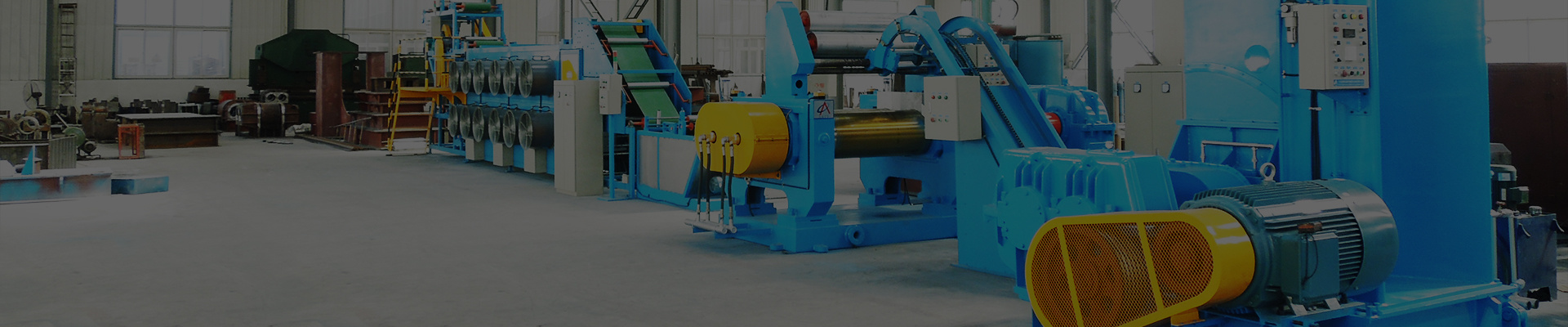
How Mixing Chambers Revolutionized the Manufacturing Machinery Industry
Time of issue:
2023-12-03
Table of Contents: 1. Introduction: The Significance of Mixing Chambers in Manufacturing Machinery 2. Evolution of Mixing Chambers: From Traditional Methods to Modern Innovations 3. Types of Mixing Chambers: Exploring the Diversity in Design 4. Advantages of Mixing Chambers: Enhancing Efficiency and Quality 5. Applications of Mixing Chambers: Versatility in Various Industries 6. Frequently Asked Q
1. Introduction: The Significance of Mixing Chambers in Manufacturing Machinery
2. Evolution of Mixing Chambers: From Traditional Methods to Modern Innovations
3. Types of Mixing Chambers: Exploring the Diversity in Design
4. Advantages of Mixing Chambers: Enhancing Efficiency and Quality
5. Applications of Mixing Chambers: Versatility in Various Industries
6. Frequently Asked Questions (FAQs) About Mixing Chambers
7. Conclusion: Embracing the Power of Mixing Chambers in the Manufacturing Machinery Industry
1. Introduction: The Significance of Mixing Chambers in Manufacturing Machinery
In the ever-evolving field of manufacturing machinery, mixing chambers have emerged as a game-changer. These essential components enable efficient blending and homogenization of various materials, revolutionizing the manufacturing process across numerous industries. This article delves into the significance and impact of mixing chambers, shedding light on their transformative role.
2. Evolution of Mixing Chambers: From Traditional Methods to Modern Innovations
Throughout history, manufacturing processes heavily relied on manual labor and rudimentary mixing techniques. However, with advancements in technology, mixing chambers have undergone significant transformations. From basic mixing tanks to sophisticated chamber designs, manufacturers have revolutionized the way materials are blended, ensuring consistency and quality in output.
2.1 Traditional Mixing Techniques
Traditional mixing methods involved labor-intensive processes such as manual stirring, shaking, or even wooden barrels for blending materials. These techniques were time-consuming, prone to human error, and often resulted in inconsistent mixtures and subpar product quality.
2.2 Emergence of Mixing Chambers
The advent of mixing chambers marked a turning point in the manufacturing machinery industry. These chambers introduced automated and controlled blending processes, enabling precise control over mixing parameters such as speed, duration, and temperature. Manufacturers quickly realized the immense potential of these chambers in streamlining production and improving overall efficiency.
2.2.1 Introduction of Batch Mixing Chambers
Batch mixing chambers were among the initial innovations that revolutionized the manufacturing machinery industry. These chambers allowed manufacturers to mix specific quantities of materials in a controlled environment, ensuring consistent results and minimizing wastage. The introduction of these chambers significantly increased productivity and paved the way for further advancements.
2.2.2 Continuous Mixing Chambers: A Leap Forward
Continuous mixing chambers further pushed the boundaries of manufacturing efficiency. Unlike batch chambers, continuous mixing chambers facilitated a continuous flow of materials, eliminating the need for frequent stops and starts. This uninterrupted process not only enhanced productivity but also enhanced the quality of the final product, as it reduced variations caused by batch-to-batch inconsistencies.
3. Types of Mixing Chambers: Exploring the Diversity in Design
Mixing chambers come in a range of designs tailored to suit specific manufacturing requirements. Let's explore some of the most common types:
3.1 Agitator Mixing Chambers
Agitator mixing chambers utilize rotating blades or paddles to blend materials. These chambers are widely used in industries requiring gentle mixing, such as pharmaceuticals and food processing. The rotational motion of the agitator ensures thorough blending without damaging sensitive ingredients.
3.2 Ribbon Mixing Chambers
Ribbon mixing chambers employ a helical ribbon-shaped blade that moves materials in two directions simultaneously. This unique design enables efficient blending of dry powders, granules, and cohesive materials. Ribbon chambers find applications in industries such as chemical processing and construction.
3.3 Static Mixing Chambers
Static mixing chambers, also known as inline mixers, utilize stationary elements to achieve blending. These chambers are particularly useful for applications requiring rapid and continuous mixing, such as in the pharmaceutical and petrochemical industries. Static mixing chambers offer advantages such as minimal maintenance and reduced energy consumption.
4. Advantages of Mixing Chambers: Enhancing Efficiency and Quality
Mixing chambers bring a myriad of benefits to the manufacturing machinery industry. Some key advantages include:
4.1 Improved Product Quality
Mixing chambers ensure consistent and thorough blending, resulting in products of superior quality. By maintaining precise control over mixing parameters, these chambers eliminate variations, enhance homogeneity, and improve overall product performance.
4.2 Increased Efficiency and Productivity
Automated mixing processes in chambers significantly enhance manufacturing efficiency. With reduced manual labor and optimized blending techniques, manufacturers can streamline production, reduce cycle times, and meet increasing demand more effectively.
4.3 Enhanced Process Control
Mixing chambers offer precise control over mixing parameters, allowing manufacturers to tailor the process to specific requirements. This level of control ensures repeatability, reduces waste, and minimizes the need for rework or adjustments, ultimately optimizing overall process efficiency.
5. Applications of Mixing Chambers: Versatility in Various Industries
Mixing chambers find extensive applications across diverse industries. Here are some notable examples:
5.1 Food and Beverage Industry
In the food and beverage industry, mixing chambers play a crucial role in achieving consistent flavor profiles and textures. Whether blending ingredients for sauces, beverages, or baked goods, these chambers ensure uniform distribution and optimal product quality.
5.2 Pharmaceuticals and Cosmetics
The pharmaceutical and cosmetic industries heavily rely on precise blending of active ingredients. Mixing chambers enable manufacturers to maintain strict quality control, ensuring uniform dispersion of ingredients in medications, creams, and lotions.
5.3 Chemical Processing
Chemical processing involves blending various compounds to create new substances. Mixing chambers facilitate efficient and controlled reactions, enabling manufacturers to produce chemicals with desired properties and consistent composition.
5.4 Construction and Building Materials
Mixing chambers find applications in the construction industry for blending concrete, mortar, and other building materials. Consistent blending ensures the structural integrity of buildings and enhances the durability of construction materials.
6. Frequently Asked Questions (FAQs) About Mixing Chambers
FAQ 1: What are the maintenance requirements for mixing chambers?
Proper maintenance is crucial for ensuring optimal performance and longevity of mixing chambers. Regular cleaning, inspection, and lubrication of moving parts are essential. Manufacturers often provide detailed maintenance guidelines specific to each chamber model.
FAQ 2: Can mixing chambers handle different viscosities of materials?
Yes, mixing chambers are designed to handle a wide range of material viscosities. Whether dealing with low-viscosity liquids or highly viscous pastes, manufacturers offer specialized chambers with appropriate mixing mechanisms to ensure efficient blending.
FAQ 3: Do mixing chambers reduce energy consumption compared to traditional mixing methods?
Yes, mixing chambers are designed to optimize energy usage. By employing efficient mixing mechanisms and reducing wastage, these chambers help minimize energy consumption, resulting in cost savings and environmental benefits.
FAQ 4: Can mixing chambers be customized for specific manufacturing needs?
Yes, manufacturers offer customization options for mixing chambers to meet specific industry requirements. Customizable features include chamber size, material compatibility, mixing speed, and control systems, among others.
FAQ 5: Are mixing chambers suitable for small-scale manufacturing operations?
Absolutely. Mixing chambers come in various sizes, catering to both large-scale industrial applications and small-scale manufacturing operations. Manufacturers offer compact chambers suitable for limited space environments without compromising on performance.
7. Conclusion: Embracing the Power of Mixing Chambers in the Manufacturing Machinery Industry
Mixing chambers have transformed the manufacturing machinery industry, enhancing efficiency, improving product quality, and revolutionizing production processes. From their evolutionary journey to the diverse types available and the applications in various industries, the significance of these chambers cannot be overstated. With their ability to deliver consistent and precise blending, mixing chambers hold the key to unlocking greater success in modern manufacturing. Embrace the power of mixing chambers and witness the positive impact on your manufacturing processes and overall business success.
Relevant Information
The Second Day of the Shanghai Exhibition
2025-09-18
The second day of the Greater Bay Area Expo
2025-05-16

ADD
Room 3718,No.9-1.Haifu Road,Dalian Free Trade Zone,China(Liaoning)Free Trade Pilot Area
PRODUCTS