



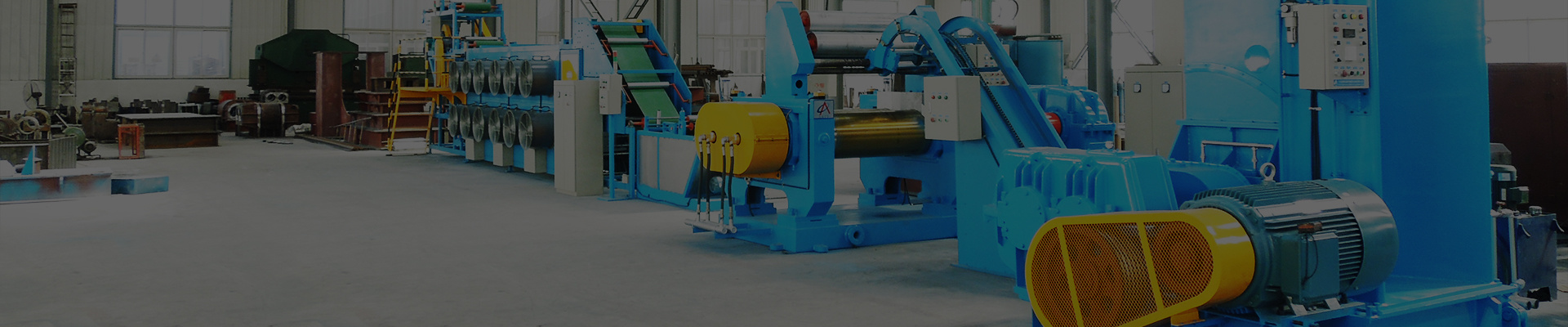
How Plastic Pelletizer Machines Revolutionize the Manufacturing Process
Time of issue:
2023-11-10
Table of Contents 1. Introduction: The Evolution of Plastic Pelletizer Machines 2. Understanding Plastic Pelletizer Machines 2.1 What are Plastic Pelletizer Machines? 2.2 How do Plastic Pelletizer Machines Work? 3. The Advantages of Plastic Pelletizer Machines 3.1 Enhanced Productivity and Efficiency 3.2 Superior Quality and Consistency 3.3 Waste Reduction and Sustainability 4.
1. Introduction: The Evolution of Plastic Pelletizer Machines
2. Understanding Plastic Pelletizer Machines
2.1 What are Plastic Pelletizer Machines?
2.2 How do Plastic Pelletizer Machines Work?
3. The Advantages of Plastic Pelletizer Machines
3.1 Enhanced Productivity and Efficiency
3.2 Superior Quality and Consistency
3.3 Waste Reduction and Sustainability
4. Applications of Plastic Pelletizer Machines
4.1 Injection Molding
4.2 Extrusion
4.3 Blow Molding
4.4 Rotational Molding
5. Frequently Asked Questions (FAQs)
5.1 How do plastic pelletizer machines contribute to waste reduction?
5.2 Are plastic pelletizer machines suitable for all types of plastic materials?
5.3 Can plastic pelletizer machines be customized for specific manufacturing needs?
5.4 What safety features should be considered when using plastic pelletizer machines?
5.5 How do plastic pelletizer machines improve the quality of plastic materials?
6. Conclusion
1. Introduction: The Evolution of Plastic Pelletizer Machines
Plastic pelletizer machines have revolutionized the manufacturing process, particularly in the production of plastic materials. With advancements in technology, these machines have become increasingly sophisticated, offering improved efficiency, quality, and sustainability. In this article, we will delve into the world of plastic pelletizer machines and explore their extensive benefits and applications.
2. Understanding Plastic Pelletizer Machines
2.1 What are Plastic Pelletizer Machines?
Plastic pelletizer machines are specialized equipment designed to transform plastic materials into small, uniform pellets. These machines play a crucial role in the plastic manufacturing industry, as they facilitate the production of high-quality plastic products. By converting plastic materials into pellets, plastic pelletizer machines enable easier handling, transportation, and storage.
2.2 How do Plastic Pelletizer Machines Work?
Plastic pelletizer machines employ a series of processes to convert plastic materials into pellets. The first step involves feeding plastic materials into the machine, where they undergo compaction and melting. The molten plastic is then extruded through a die, which shapes the plastic into strands. These strands are subsequently cooled and cut into small, cylindrical pellets. The pellets are then ready for further processing or packaging.
3. The Advantages of Plastic Pelletizer Machines
3.1 Enhanced Productivity and Efficiency
Plastic pelletizer machines significantly improve productivity and efficiency in the manufacturing process. By automating the pelletizing process, these machines eliminate the need for manual labor, reducing human error and increasing output. Additionally, plastic pelletizer machines operate at high speeds, allowing for faster production cycles and quicker turnaround times.
3.2 Superior Quality and Consistency
Plastic pelletizer machines ensure the production of plastic pellets that exhibit superior quality and consistency. Through precise control of temperature, pressure, and cutting speed, these machines create pellets with uniform shape, size, and density. This consistency is vital for achieving optimal performance in downstream processes, such as injection molding or extrusion.
3.3 Waste Reduction and Sustainability
One of the key benefits of plastic pelletizer machines is their contribution to waste reduction and sustainability. These machines enable the recycling and reuse of plastic materials, reducing the reliance on virgin plastic and the generation of plastic waste. By transforming plastic scraps or discarded materials into pellets, plastic pelletizer machines support circular economy practices and promote environmentally-friendly manufacturing processes.
4. Applications of Plastic Pelletizer Machines
4.1 Injection Molding
Plastic pelletizer machines play a critical role in injection molding, which is a popular manufacturing technique for producing plastic products with complex shapes. By converting plastic materials into pellets, plastic pelletizer machines ensure a consistent feedstock for injection molding machines. This consistency enhances the quality and precision of the final injection-molded products.
4.2 Extrusion
Extrusion is another common manufacturing process that benefits from plastic pelletizer machines. These machines create uniform pellets that can be easily melted and extruded through various dies to form continuous shapes, such as pipes, sheets, or tubes. The use of plastic pellets ensures consistent extrusion and improves the overall efficiency of the extrusion process.
4.3 Blow Molding
Plastic pelletizer machines are also instrumental in the blow molding process, which is widely utilized for producing hollow plastic products, such as bottles or containers. By converting plastic materials into pellets, these machines provide a consistent feedstock for the blow molding machines, resulting in uniform wall thickness and improved product quality.
4.4 Rotational Molding
Rotational molding, often used for manufacturing large, hollow plastic products, also benefits from plastic pelletizer machines. By transforming plastic materials into pellets, these machines ensure a consistent feedstock for the rotational molding process. This consistency enhances the uniformity and structural integrity of the final rotational-molded products.
5. Frequently Asked Questions (FAQs)
5.1 How do plastic pelletizer machines contribute to waste reduction?
Plastic pelletizer machines contribute to waste reduction by allowing the recycling and reuse of plastic materials. These machines transform plastic scraps or discarded materials into pellets, enabling the utilization of recycled plastic in manufacturing processes instead of relying solely on virgin plastic.
5.2 Are plastic pelletizer machines suitable for all types of plastic materials?
Plastic pelletizer machines are versatile and can process a wide range of plastic materials, including polyethylene (PE), polypropylene (PP), polystyrene (PS), polyvinyl chloride (PVC), and more. However, certain material properties may require adjustments or customization of the machine to achieve optimal results.
5.3 Can plastic pelletizer machines be customized for specific manufacturing needs?
Yes, plastic pelletizer machines can be customized to meet specific manufacturing requirements. Depending on the desired pellet characteristics, such as size, shape, or density, the machine settings and configurations can be tailored accordingly. Customization ensures the production of pellets that align with the particular needs of different industries or applications.
5.4 What safety features should be considered when using plastic pelletizer machines?
When operating plastic pelletizer machines, safety features such as emergency stop buttons, safety guards, and temperature sensors should be in place to protect operators from potential hazards. Regular maintenance and inspections are also essential to ensure the machines are in optimal working condition and to prevent accidents.
5.5 How do plastic pelletizer machines improve the quality of plastic materials?
Plastic pelletizer machines improve the quality of plastic materials by ensuring uniformity in size, shape, and density. Consistent pellets lead to improved performance in downstream manufacturing processes, such as injection molding or extrusion, resulting in high-quality plastic products with enhanced functionality and aesthetics.
6. Conclusion
Plastic pelletizer machines have revolutionized the manufacturing process by enhancing productivity, efficiency, and sustainability. Their ability to convert plastic materials into uniform pellets has transformed various industries, including injection molding, extrusion, blow molding, and rotational molding. By enabling waste reduction and promoting the use of recycled plastic, these machines contribute to a more environmentally-friendly manufacturing landscape. Embrace the power of plastic pelletizer machines and unlock new possibilities in your manufacturing endeavors.
Relevant Information
The Second Day of the Shanghai Exhibition
2025-09-18
The second day of the Greater Bay Area Expo
2025-05-16

ADD
Room 3718,No.9-1.Haifu Road,Dalian Free Trade Zone,China(Liaoning)Free Trade Pilot Area
PRODUCTS