



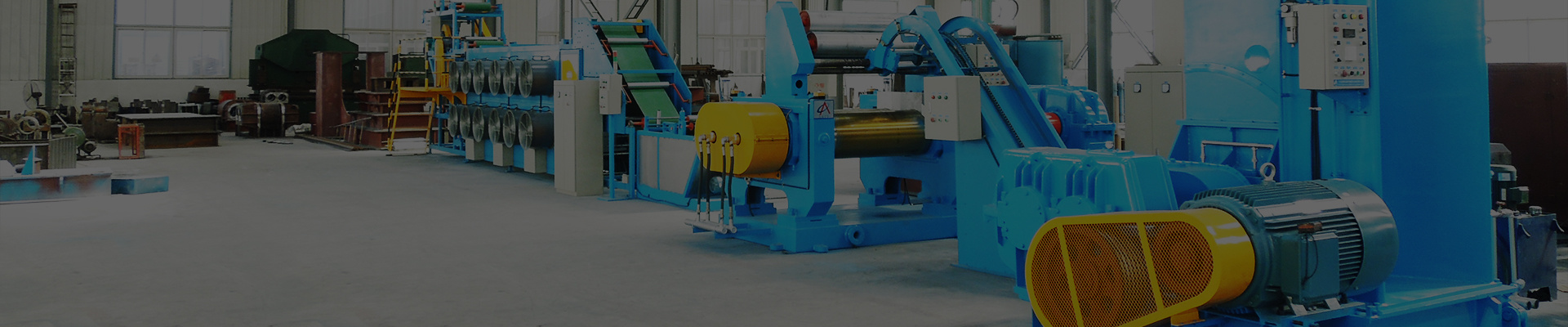
Improving Operational Efficiency: Tips for Calendering Rubber
Time of issue:
2023-09-27
Table of Contents: 1. Introduction 2. Understanding the Calendering Process 3. Importance of Operational Efficiency in Calendering Rubber 4. Tips for Improving Operational Efficiency 4.1. Enhancing Equipment Maintenance 4.2. Optimizing Production Planning and Scheduling 4.3. Implementing Lean Manufacturing Principles 4.4. Investing in Employee Training and Development 4.5. Embracing
1. Introduction
2. Understanding the Calendering Process
3. Importance of Operational Efficiency in Calendering Rubber
4. Tips for Improving Operational Efficiency
4.1. Enhancing Equipment Maintenance
4.2. Optimizing Production Planning and Scheduling
4.3. Implementing Lean Manufacturing Principles
4.4. Investing in Employee Training and Development
4.5. Embracing Technology and Automation
4.6. Streamlining Material Handling and Storage
4.7. Ensuring Quality Control and Inspection
4.8. Continuous Improvement and Data Analysis
5. Frequently Asked Questions (FAQs)
5.1. What is the primary purpose of calendering rubber?
5.2. How can I reduce downtime in the calendering process?
5.3. What are the common challenges in calendering rubber?
5.4. How can I improve the overall efficiency of my rubber manufacturing operations?
5.5. What role does employee training play in enhancing operational efficiency?
6. Conclusion
1. Introduction
Welcome to our comprehensive guide on improving operational efficiency in the rubber calendering process. In this article, we will explore various strategies and tips to optimize your rubber manufacturing operations, enhance productivity, and achieve better results. Whether you are a seasoned industry professional or new to rubber calendering, this guide will provide valuable insights to help you stay ahead of the competition.
2. Understanding the Calendering Process
Before diving into operational efficiency tips, it is essential to have a clear understanding of the calendering process. Calendering is a mechanical process used in the rubber industry to transform raw rubber compounds into sheets or films of desired thickness and properties. The process involves passing rubber compound through multiple rolls, known as calenders, to achieve the desired thickness and consistency.
3. Importance of Operational Efficiency in Calendering Rubber
Operational efficiency plays a crucial role in the success of any rubber manufacturing operation. By improving efficiency, you can reduce costs, minimize downtime, enhance product quality, and increase overall productivity. In the calendering process, operational efficiency ensures consistent output, reduces waste, and improves the utilization of resources.
4. Tips for Improving Operational Efficiency
4.1. Enhancing Equipment Maintenance
Regular and proactive maintenance of calendering equipment is vital to ensure optimal performance. Implement a preventive maintenance program to identify and address potential issues before they disrupt operations. Regularly inspect and lubricate the equipment, replace worn-out parts, and keep a detailed maintenance log for reference.
4.2. Optimizing Production Planning and Scheduling
Efficient production planning and scheduling help minimize idle time and maximize output. Analyze demand patterns, streamline the order fulfillment process, and create a realistic production schedule. Consider factors such as material availability, machine capacity, and workforce availability while planning production.
4.3. Implementing Lean Manufacturing Principles
Lean manufacturing principles focus on eliminating waste, improving productivity, and optimizing resource utilization. Identify and eliminate non-value-added activities, reduce inventory levels, and implement visual management techniques to enhance process flow and efficiency.
4.4. Investing in Employee Training and Development
Well-trained and skilled employees contribute significantly to operational efficiency. Invest in comprehensive training programs to enhance employees' knowledge and skills related to calendering rubber. Regularly assess training needs, provide opportunities for professional development, and foster a culture of continuous learning.
4.5. Embracing Technology and Automation
Leverage technology and automation to streamline operations and improve efficiency. Explore advanced calendering equipment with automated controls, data analytics capabilities, and predictive maintenance features. Implement real-time monitoring systems to track key performance indicators and identify areas for improvement.
4.6. Streamlining Material Handling and Storage
Efficient material handling and storage processes minimize downtime and ensure the availability of required materials. Optimize inventory management, implement proper labeling and storage systems, and establish clear procedures for material handling to streamline operations and reduce wastage.
4.7. Ensuring Quality Control and Inspection
Maintaining high-quality standards is essential in calendering rubber. Implement robust quality control processes, conduct regular inspections, and invest in reliable testing equipment. Monitor key quality parameters, address deviations promptly, and involve employees in quality improvement initiatives.
4.8. Continuous Improvement and Data Analysis
Embrace a culture of continuous improvement by collecting and analyzing data related to key performance indicators. Monitor production metrics, analyze trends, and identify areas for improvement. Encourage employees to contribute ideas, implement suggestions, and celebrate success stories.
5. Frequently Asked Questions (FAQs)
5.1. What is the primary purpose of calendering rubber?
Calendering rubber is primarily done to transform raw rubber compounds into sheets or films of specific thickness and properties. It is a critical step in the rubber manufacturing process.
5.2. How can I reduce downtime in the calendering process?
To reduce downtime in the calendering process, focus on proactive equipment maintenance, optimize production planning and scheduling, ensure efficient material handling, and invest in employee training to enhance troubleshooting skills.
5.3. What are the common challenges in calendering rubber?
Common challenges in calendering rubber include maintaining consistent thickness, preventing defects and imperfections, ensuring uniform material distribution, and managing variations in material properties.
5.4. How can I improve the overall efficiency of my rubber manufacturing operations?
To improve the overall efficiency of rubber manufacturing operations, implement strategies such as lean manufacturing principles, employee training and development, technology adoption, quality control measures, and continuous improvement initiatives.
5.5. What role does employee training play in enhancing operational efficiency?
Employee training plays a crucial role in enhancing operational efficiency. Well-trained employees are better equipped to identify and address process issues, troubleshoot equipment problems, and contribute to overall process improvement initiatives.
6. Conclusion
In conclusion, optimizing operational efficiency in the rubber calendering process is crucial for achieving improved productivity, quality, and profitability. By implementing the tips and strategies outlined in this guide, you can streamline your operations, reduce costs, and stay ahead in the competitive rubber industry. Embrace continuous improvement, invest in employee development, and leverage technology to unlock the full potential of your rubber manufacturing operations.
Relevant Information
The Second Day of the Shanghai Exhibition
2025-09-18
The second day of the Greater Bay Area Expo
2025-05-16

ADD
Room 3718,No.9-1.Haifu Road,Dalian Free Trade Zone,China(Liaoning)Free Trade Pilot Area
PRODUCTS