



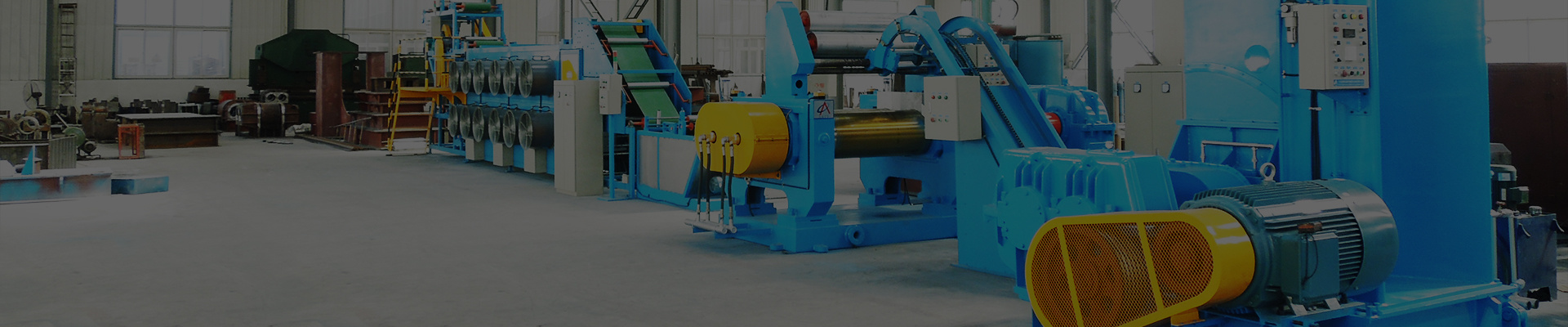
Improving Quality Control: Rubber Mixing Mill in Action
Time of issue:
2024-08-13
Improving Quality Control: Rubber Mixing Mill in Action Introduction to Rubber Mixing Mill Technology In the world of rubber manufacturing, **quality control** plays a pivotal role in ensuring products meet both industry standards and consumer expectations. The rubber mixing mill is at the forefront of this endeavor, serving as an essential tool in the production process. This article delves int
Improving Quality Control: Rubber Mixing Mill in Action
Introduction to Rubber Mixing Mill Technology
In the world of rubber manufacturing, **quality control** plays a pivotal role in ensuring products meet both industry standards and consumer expectations. The rubber mixing mill is at the forefront of this endeavor, serving as an essential tool in the production process. This article delves into how rubber mixing mills operate, their importance in quality control, and how they can significantly enhance production efficiency.
The Role of Quality Control in Rubber Manufacturing
Quality control is not just a regulatory requirement; it's a fundamental aspect of manufacturing that ensures the final product is consistent, durable, and reliable. In the rubber industry, maintaining quality is crucial due to factors such as:
1. Customer Satisfaction
High-quality rubber products lead to satisfied customers, fostering brand loyalty and repeat business.
2. Compliance with Industry Standards
Adhering to national and international standards is essential for market acceptance and legal compliance.
3. Cost Efficiency
Implementing robust quality control mechanisms helps in identifying defects early, reducing waste and associated costs.
Understanding the Mechanics of Rubber Mixing Mills
Rubber mixing mills are engineered to blend raw rubber materials with various additives, ensuring uniformity in the final product. The mechanics of these machines involve several critical components:
1. Roller Configuration
Most rubber mixing mills feature two to four rollers arranged in a specific configuration to achieve optimal mixing. The spacing and speed of the rollers can be adjusted to create the desired texture and consistency.
2. Temperature Control
To maintain the quality of rubber during mixing, precise temperature control is vital. Many modern mills are equipped with advanced heating and cooling systems to regulate temperature effectively.
3. Automation and Control Systems
Today's rubber mixing mills often include automated systems that monitor and adjust mixing parameters in real time. This technology ensures that operators can maintain consistent quality across batches.
Benefits of Implementing Rubber Mixing Mills in Quality Control
Integrating rubber mixing mills into the manufacturing process offers a myriad of benefits that directly influence quality control:
1. Enhanced Product Consistency
By utilizing rubber mixing mills, manufacturers can achieve a uniform blend of materials, which is essential for producing rubber with consistent properties.
2. Improved Efficiency and Speed
Modern mixing mills are designed for high throughput, enabling manufacturers to increase production speed without compromising quality.
3. Flexibility in Formulation
Rubber mixing mills allow for easy adjustments to formulations, accommodating varying requirements for different products. This flexibility is essential in responding to market demands quickly.
Case Studies: Success Stories in Quality Control
To illustrate the effectiveness of rubber mixing mills in enhancing quality control, let’s examine a couple of real-world applications:
1. Case Study: ABC Rubber Industries
ABC Rubber Industries implemented a state-of-the-art rubber mixing mill in their production line, resulting in a 30% reduction in material waste. The precise control over mixing parameters enabled them to produce a more consistent product, leading to increased customer satisfaction.
2. Case Study: XYZ Manufacturing Corp.
XYZ Manufacturing Corp. adopted automated rubber mixing mills that integrated IoT technology. This advancement allowed real-time monitoring of batch quality, significantly decreasing the time spent on quality checks while maintaining compliance with industry standards.
Innovations in Rubber Mixing Mill Technology
As the rubber industry evolves, so does the technology behind rubber mixing mills. Innovations are continuously being introduced to enhance quality control:
1. Smart Mixing Mills
The introduction of smart technology allows for predictive analytics, where data from previous batches informs future mixing processes. This leads to more precise formulations.
2. Energy-Efficient Designs
New designs focus on reducing energy consumption during operation, making production more sustainable while maintaining high quality.
3. Advanced Safety Features
Safety is paramount in any manufacturing environment. Modern rubber mixing mills come equipped with advanced safety features that protect operators and minimize the risk of accidents.
Best Practices for Optimizing Quality Control with Rubber Mixing Mills
To get the most out of rubber mixing mills, manufacturers should follow certain best practices:
1. Regular Maintenance and Calibration
Ensuring that mixing mills are regularly maintained and calibrated is crucial for achieving consistent quality.
2. Training and Development
Investing in staff training ensures that operators are familiar with the latest technologies and best practices, which leads to better quality control.
3. Implementing a Quality Management System
A robust quality management system can help monitor the entire production process, ensuring that quality control measures are consistently applied.
FAQs About Rubber Mixing Mills and Quality Control
1. What is the main function of a rubber mixing mill?
The primary function of a rubber mixing mill is to blend raw rubber with additives to achieve a uniform product before further processing.
2. How do rubber mixing mills improve quality control?
Rubber mixing mills enhance quality control by ensuring consistent blending, precise temperature regulation, and automated monitoring of mixing parameters.
3. What are the key components of a rubber mixing mill?
Key components include rollers, heating and cooling systems, and control systems that manage the mixing process.
4. Can rubber mixing mills help reduce production costs?
Yes, by minimizing material waste and increasing production efficiency, rubber mixing mills contribute to lower overall production costs.
5. What innovations are currently shaping rubber mixing mill technology?
Innovations include smart technology for predictive analytics, energy-efficient designs, and enhanced safety features.
Conclusion
Rubber mixing mills are indispensable in the rubber manufacturing industry, significantly contributing to improving quality control. Through advanced technology and best practices, manufacturers can enhance product consistency, efficiency, and customer satisfaction. As the industry continues to evolve, integrating the latest innovations in rubber mixing mills will be paramount in maintaining a competitive edge. Investing in quality control processes not only benefits manufacturers but also ensures that consumers receive high-quality rubber products that meet their needs and expectations.
Relevant Information
The Second Day of the Shanghai Exhibition
2025-09-18
The second day of the Greater Bay Area Expo
2025-05-16

ADD
Room 3718,No.9-1.Haifu Road,Dalian Free Trade Zone,China(Liaoning)Free Trade Pilot Area
PRODUCTS