



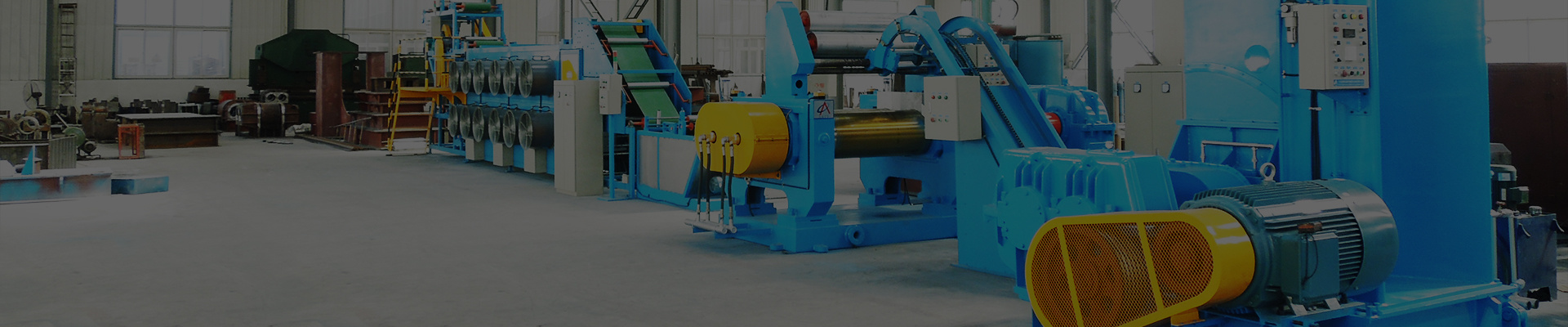
Key Features to Consider When Choosing a Rubber Kneader
Time of issue:
2023-12-15
Table of Contents: 1. Introduction 2. Understanding Rubber Kneaders 3. Capacity and Mixing Efficiency 4. Power and Motor Specifications 5. Material Feeding Mechanism 6. Control System and Automation 7. Safety Features and Maintenance 8. Cost and Return on Investment 9. Frequently Asked Questions (FAQs) 10. Conclusion Choosing the right rubber kneader is crucial for any manufacturing or processing
1. Introduction
2. Understanding Rubber Kneaders
3. Capacity and Mixing Efficiency
4. Power and Motor Specifications
5. Material Feeding Mechanism
6. Control System and Automation
7. Safety Features and Maintenance
8. Cost and Return on Investment
9. Frequently Asked Questions (FAQs)
10. Conclusion
Choosing the right rubber kneader is crucial for any manufacturing or processing facility that deals with rubber compounds. Whether you are in the rubber industry or any other industry that requires rubber mixing, it is essential to consider various key features before making a decision. In this article, we will guide you through the important aspects to consider when selecting a rubber kneader, ensuring you make an informed choice.
Rubber kneaders are specialized machines used for uniformly mixing rubber compounds with various additives. They play a vital role in enhancing the physical properties of rubber materials, such as elasticity, strength, and durability. Rubber kneaders are widely used in industries like automotive, construction, electronics, and more.
The capacity of a rubber kneader is a crucial factor to consider. It determines the amount of rubber compound that can be processed in a given time frame. The mixing efficiency of the kneader is also important as it affects the quality and consistency of the final product. Look for kneaders that offer high-capacity mixing with efficient dispersion of additives for optimal results.
The power and motor specifications of a rubber kneader directly impact its performance. Higher power and a robust motor ensure efficient mixing even for high-viscosity rubber compounds. Consider the motor speed, torque, and power consumption to ensure the kneader can handle your specific needs.
The material feeding mechanism of a rubber kneader greatly influences its productivity and ease of operation. The kneader should have a reliable and efficient mechanism for adding rubber and additives into the mixing chamber. Look for features like automatic feeding, adjustable feed rates, and precise control to optimize the mixing process.
A modern rubber kneader should have an advanced control system and automation capabilities. This allows for precise control over mixing parameters, such as temperature, speed, and time. Look for kneaders with user-friendly interfaces, programmable settings, and real-time monitoring to ensure consistent and reproducible results.
Safety is paramount in any industrial setting. When selecting a rubber kneader, consider the safety features it offers, such as emergency stop buttons, safety interlocks, and overload protection. Additionally, assess the maintenance requirements of the kneader to ensure it can be easily serviced and repaired, minimizing downtime.
While cost is an important consideration, it should not be the sole deciding factor. Evaluate the overall value and return on investment (ROI) that a rubber kneader offers. Consider factors like long-term durability, energy efficiency, and after-sales support. Investing in a high-quality kneader may initially cost more but can result in better performance and cost savings in the long run.
Q1: What is the role of a rubber kneader in the manufacturing process?
A1: A rubber kneader mixes rubber compounds with additives to enhance their physical properties.
Q2: How does the capacity of a rubber kneader affect production?
A2: The capacity determines the amount of rubber compound that can be processed, impacting production volume.
Q3: Are there any safety features to consider in a rubber kneader?
A3: Yes, safety features like emergency stop buttons and overload protection ensure operator safety.
Q4: What is the significance of automation in a rubber kneader?
A4: Automation allows for precise control over mixing parameters, ensuring consistent results.
Q5: How can a rubber kneader provide a good return on investment?
A5: A high-quality rubber kneader can offer better performance, durability, and energy efficiency, resulting in cost savings.
Choosing the right rubber kneader is crucial for achieving optimal mixing results and improving overall productivity. Consider the capacity, mixing efficiency, power, material feeding mechanism, control system, safety features, maintenance requirements, and ROI when making your decision. By assessing these key features, you can find a rubber kneader that meets your specific requirements and helps you stay ahead in the competitive manufacturing industry.
Relevant Information
The Second Day of the Shanghai Exhibition
2025-09-18
The second day of the Greater Bay Area Expo
2025-05-16

ADD
Room 3718,No.9-1.Haifu Road,Dalian Free Trade Zone,China(Liaoning)Free Trade Pilot Area
PRODUCTS