



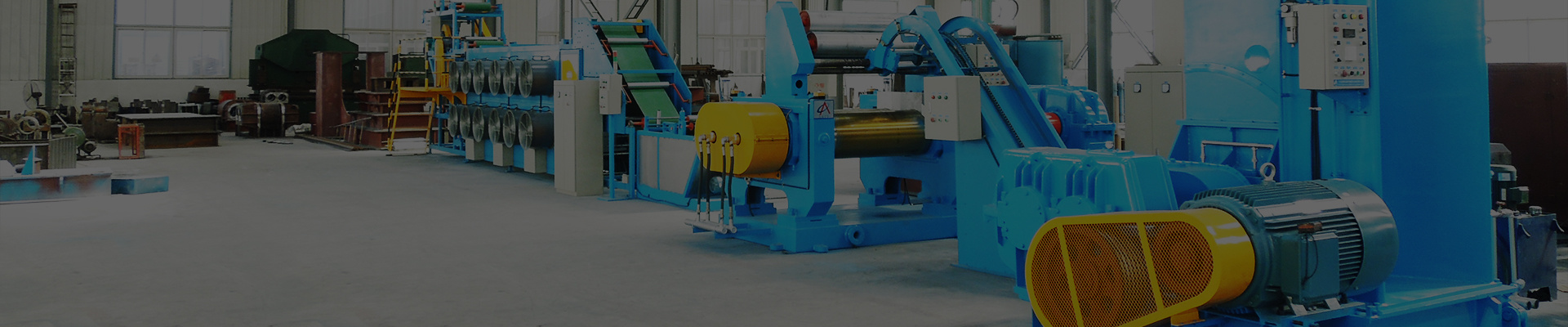
Kneader Machine for Rubber Mixing: A Comprehensive Guide
Time of issue:
2023-11-20
Introduction: Kneader machines play a crucial role in the field of chemical engineering, specifically in the rubber processing machinery sector. This comprehensive guide will delve into the intricacies of kneader machines for rubber mixing. From understanding their functionality to exploring their significance in enhancing rubber mixing processes, this article provides valuable insights for profes
Kneader machines play a crucial role in the field of chemical engineering, specifically in the rubber processing machinery sector. This comprehensive guide will delve into the intricacies of kneader machines for rubber mixing. From understanding their functionality to exploring their significance in enhancing rubber mixing processes, this article provides valuable insights for professionals and enthusiasts alike.
1. What is a Kneader Machine?
A kneader machine, also known as a kneading machine or a sigma mixer, is a specialized piece of equipment used in various industries, including rubber processing. It consists of a pair of sigma-shaped blades or rotors that rotate in opposite directions within a closed mixing chamber. This motion creates a shearing and kneading action, facilitating uniform mixing and dispersion of materials.
2. How Does a Kneader Machine Work?
A kneader machine operates on a batch mixing principle. The sigma blades rotate at different speeds, generating intense shear and kneading forces. As the blades move, the materials are continuously folded, stretched, compressed, and sheared. This action promotes efficient blending, dispersion, and homogenization of rubber compounds, additives, fillers, and other ingredients.
3. Advantages of Kneader Machines for Rubber Mixing
- Enhanced Mixing Efficiency: The kneader machine's unique design ensures thorough mixing, resulting in improved dispersion of additives and uniformity in the rubber compound.
- Heat Transfer Capability: The kneading action generates heat through mechanical energy, allowing for efficient temperature control during the mixing process.
- Reduced Mixing Time: The intensive kneading action significantly reduces the mixing time required to achieve desired results, enhancing productivity.
- Versatility: Kneader machines can handle a wide range of rubber compounds, including high-viscosity materials, powders, and pastes.
- Effective Degassing: The kneading action aids in removing trapped air and volatile components from the rubber compound, leading to better product quality.
4. Applications of Kneader Machines in Rubber Processing
Kneader machines find extensive use in the rubber processing industry, particularly in the production of rubber compounds, adhesives, sealants, and specialty rubber products. They are instrumental in manufacturing automotive rubber parts, industrial hoses, belts, gaskets, and more. Additionally, these machines are employed in research and development activities, allowing scientists and engineers to experiment with new formulations and optimize existing rubber compounds.
5. Key Considerations for Selecting a Kneader Machine
When choosing a kneader machine for rubber mixing, several factors should be taken into account:
- Production Capacity: Determine the required batch size and the machine's output capacity.
- Material Compatibility: Ensure the machine is suitable for the specific rubber compounds and additives used in your processes.
- Energy Efficiency: Consider the energy consumption and potential for heat recovery.
- Maintenance and Cleaning: Assess the ease of cleaning, maintenance requirements, and access for maintenance personnel.
In conclusion, kneader machines play a vital role in the chemical industry's rubber processing machinery sector. Their ability to efficiently mix and disperse rubber compounds, along with other advantages such as reduced mixing time and effective degassing, make them indispensable in the field. By understanding the functionality and applications of kneader machines, professionals in the industry can make informed decisions to optimize their rubber mixing processes.
Relevant Information
The Second Day of the Shanghai Exhibition
2025-09-18
The second day of the Greater Bay Area Expo
2025-05-16

ADD
Room 3718,No.9-1.Haifu Road,Dalian Free Trade Zone,China(Liaoning)Free Trade Pilot Area
PRODUCTS