



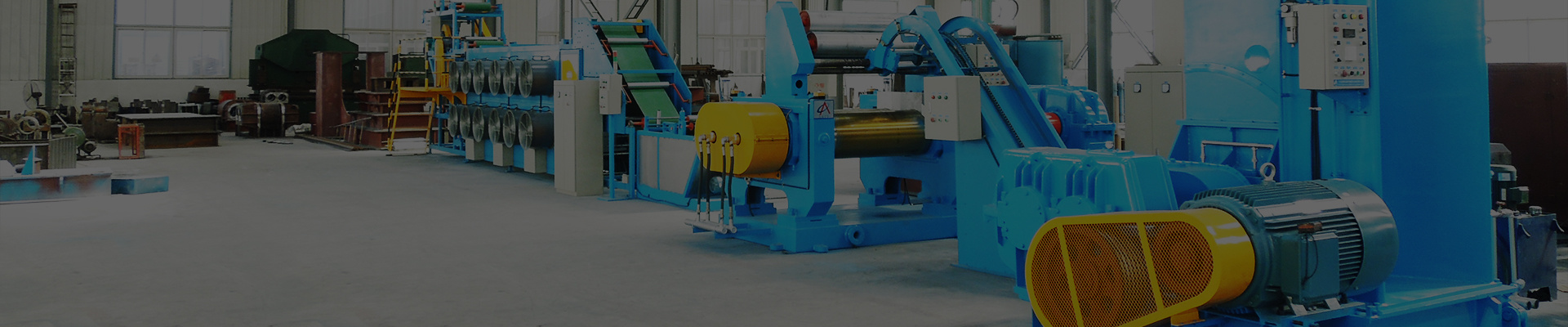
Maximize Conveyor Belt Durability with Vulcanizing Machine
Time of issue:
2023-12-08
Table of Contents: 1. Introduction: The Importance of Conveyor Belt Durability 2. Understanding Vulcanizing Machines 3. Benefits of Using a Vulcanizing Machine 4. Choosing the Right Vulcanizing Machine for Your Needs 5. Preparing the Conveyor Belt for Vulcanization 6. Step-by-Step Guide to Vulcanizing a Conveyor Belt 7. Proper Maintenance and Care for Longevity 8. Common FAQs about Vulcanizing Mac
1. Introduction: The Importance of Conveyor Belt Durability
2. Understanding Vulcanizing Machines
3. Benefits of Using a Vulcanizing Machine
4. Choosing the Right Vulcanizing Machine for Your Needs
5. Preparing the Conveyor Belt for Vulcanization
6. Step-by-Step Guide to Vulcanizing a Conveyor Belt
7. Proper Maintenance and Care for Longevity
8. Common FAQs about Vulcanizing Machines
9. Conclusion
1. Introduction: The Importance of Conveyor Belt Durability
Conveyor belts play a crucial role in various industries, including the chemical industry, specifically in rubber processing machinery. They transport materials efficiently and effectively, contributing to smooth operations. Ensuring the durability and longevity of conveyor belts is of paramount importance to avoid downtime, production delays, and increased maintenance costs.
2. Understanding Vulcanizing Machines
Vulcanizing machines are essential tools in the rubber processing industry, specifically designed to bond and repair conveyor belts. These machines use heat and pressure to fuse the damaged or spliced sections of the belt, resulting in a strong and durable joint. The vulcanization process provides a seamless connection, enhancing the overall strength and flexibility of the conveyor belt.
3. Benefits of Using a Vulcanizing Machine
Using a vulcanizing machine offers numerous benefits for conveyor belt durability. Firstly, it ensures a reliable and long-lasting joint, minimizing the risk of belt failure. By utilizing a vulcanizing machine, you can create a seamless bond that maintains the original strength of the belt. This ultimately leads to enhanced load-bearing capacity and increased resistance to wear and tear.
Additionally, vulcanizing machines provide a cost-effective solution compared to traditional methods such as mechanical fasteners or adhesives. The seamless joint formed through vulcanization eliminates the need for frequent repairs or replacements, reducing downtime and maintenance costs. Furthermore, vulcanized belts offer improved resistance to chemicals, oils, and extreme temperatures, making them suitable for various operating conditions.
4. Choosing the Right Vulcanizing Machine for Your Needs
Selecting the appropriate vulcanizing machine is crucial to achieve optimal results. Consider factors such as belt width, thickness, and the types of materials being transported. Different vulcanizing machines offer varying heat and pressure capabilities, so it is essential to choose one that matches your specific requirements. Consulting with industry experts or manufacturers can help you make an informed decision.
5. Preparing the Conveyor Belt for Vulcanization
Before vulcanizing a conveyor belt, thorough preparation is necessary. Start by cleaning and inspecting the belt for any damage or contaminants. Remove any debris, such as dirt or grease, as they can hinder the vulcanization process. Trim any frayed or excessively damaged sections, ensuring a smooth joint. Proper preparation ensures optimal adhesion and a strong bond during the vulcanization process.
6. Step-by-Step Guide to Vulcanizing a Conveyor Belt
Follow these steps for a successful vulcanization process:
Step 1: Set up the vulcanizing machine, ensuring it is at the correct temperature and pressure.
Step 2: Position the prepared belt sections onto the machine, aligning them accurately.
Step 3: Apply suitable pressure and heat using the vulcanizing machine, allowing the sections to bond properly.
Step 4: Maintain the required pressure and temperature for the recommended duration.
Step 5: Allow the joint to cool down before removing it from the vulcanizing machine.
Step 6: Inspect the vulcanized joint for any defects or imperfections.
Step 7: Reinstall the conveyor belt, ensuring proper alignment and tension.
7. Proper Maintenance and Care for Longevity
To maximize the durability of your vulcanized conveyor belt, regular maintenance and care are essential. Implement a preventive maintenance program that includes routine inspections, cleaning, and lubrication. Promptly address any signs of wear, damage, or misalignment to prevent further issues. Additionally, provide proper training to personnel responsible for conveyor belt maintenance to ensure optimal care.
8. Common FAQs about Vulcanizing Machines
Q1: What is the average lifespan of a vulcanized conveyor belt?
Q2: Can I use a vulcanizing machine for all types of conveyor belts?
Q3: How often should I inspect my vulcanized belt for potential issues?
Q4: Is it possible to repair a vulcanized joint if it gets damaged?
Q5: Are there any safety precautions I should take when using a vulcanizing machine?
9. Conclusion
By utilizing a vulcanizing machine, you can significantly enhance the durability and lifespan of your conveyor belt. The seamless joint created through vulcanization ensures a strong and reliable bond, reducing the risk of belt failure and maintenance costs. Remember to choose the right vulcanizing machine, thoroughly prepare the belt, and follow the recommended steps for a successful vulcanization process. Regular maintenance and care are also vital to extend the longevity of your conveyor belt. With these practices in place, you can optimize productivity, minimize downtime, and achieve cost savings in your operations.
Relevant Information
The Second Day of the Shanghai Exhibition
2025-09-18
The second day of the Greater Bay Area Expo
2025-05-16

ADD
Room 3718,No.9-1.Haifu Road,Dalian Free Trade Zone,China(Liaoning)Free Trade Pilot Area
PRODUCTS