



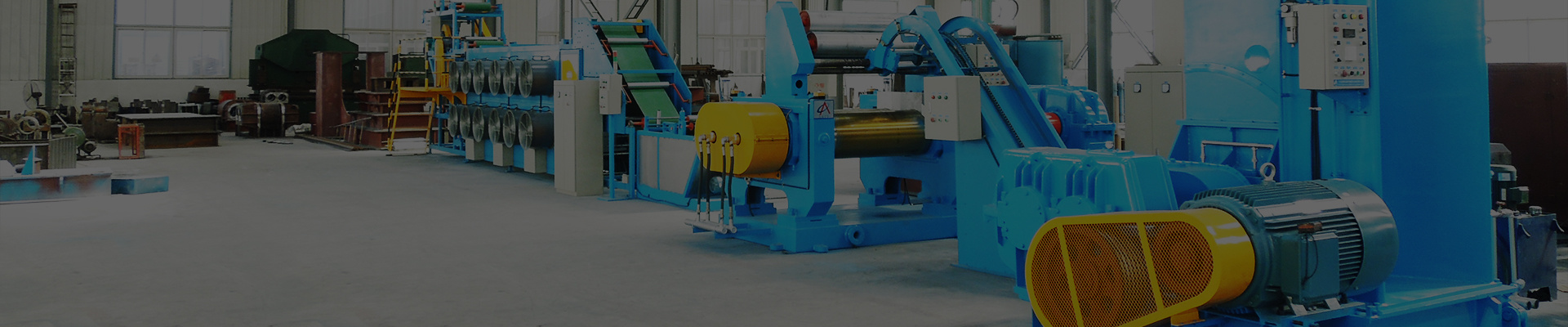
Maximizing Efficiency: How Rubber Mixing Mill Boosts Production
Time of issue:
2023-12-14
Stay ahead of the competition, boost production efficiency, and elevate your manufacturing processes with rubber mixing mills
1. Introduction
Maximizing efficiency is a top priority for manufacturers in today's competitive landscape. In the realm of rubber processing, the rubber mixing mill stands as a powerful tool to achieve this goal. This article delves into the world of rubber mixing mills, exploring their impact on production efficiency and uncovering the strategies to harness their full potential.
2. Understanding Rubber Mixing Mills
Before we delve into the advantages of rubber mixing mills, let’s gain a comprehensive understanding of what they are. Rubber mixing mills are machinery used in the processing of rubber compounds. They play a vital role in blending raw materials, optimizing material properties, and achieving uniformity in the final rubber product.
3. Importance of Rubber Mixing Mills in Production Efficiency
Rubber mixing mills are indispensable when it comes to maximizing production efficiency. By providing controlled and consistent processing, they enable manufacturers to streamline their operations, reduce production time, and minimize waste. With the ability to handle various rubber compounds, these mills offer versatility and flexibility to meet specific industry requirements.
4. Key Components and Functions of Rubber Mixing Mills
To fully comprehend how rubber mixing mills boost production efficiency, it is crucial to familiarize ourselves with their key components and functions. These include the mill rolls, stock guides, and the mixing chamber. Each component plays a vital role in ensuring efficient material processing and uniform distribution of additives.
5. Optimizing Material Processing with Rubber Mixing Mills
One of the primary benefits of rubber mixing mills lies in their ability to optimize material processing. Through precise control of temperature, shear, and pressure, manufacturers can achieve the desired level of vulcanization and ensure consistent product quality. Additionally, the incorporation of automated features and advanced control systems further enhances material processing efficiency.
6. Enhancing Product Quality with Rubber Mixing Mills
Rubber mixing mills significantly contribute to the enhancement of product quality. By providing uniform blending of rubber compounds and additives, these mills ensure superior dispersion and distribution. This leads to improved physical properties, enhanced durability, and increased overall product performance. Furthermore, the ability to monitor and adjust processing parameters allows manufacturers to fine-tune product specifications as required.
7. Safety Measures and Maintenance for Rubber Mixing Mills
Ensuring the safe operation and longevity of rubber mixing mills is essential for sustained production efficiency. Regular maintenance, including lubrication, inspection, and calibration, is crucial. Implementing proper safety measures, such as machine guarding and operator training, minimizes the risk of accidents and maximizes workplace safety.
8. Conclusion
In the competitive world of manufacturing, maximizing efficiency is paramount. Incorporating rubber mixing mills into production processes is a strategic move to achieve this goal. By optimizing material processing, enhancing product quality, and prioritizing safety and maintenance, manufacturers can unlock the full potential of these machines. Stay ahead of the competition, boost production efficiency, and elevate your manufacturing processes with rubber mixing mills.
Relevant Information
The Second Day of the Shanghai Exhibition
2025-09-18
The second day of the Greater Bay Area Expo
2025-05-16

ADD
Room 3718,No.9-1.Haifu Road,Dalian Free Trade Zone,China(Liaoning)Free Trade Pilot Area
PRODUCTS