



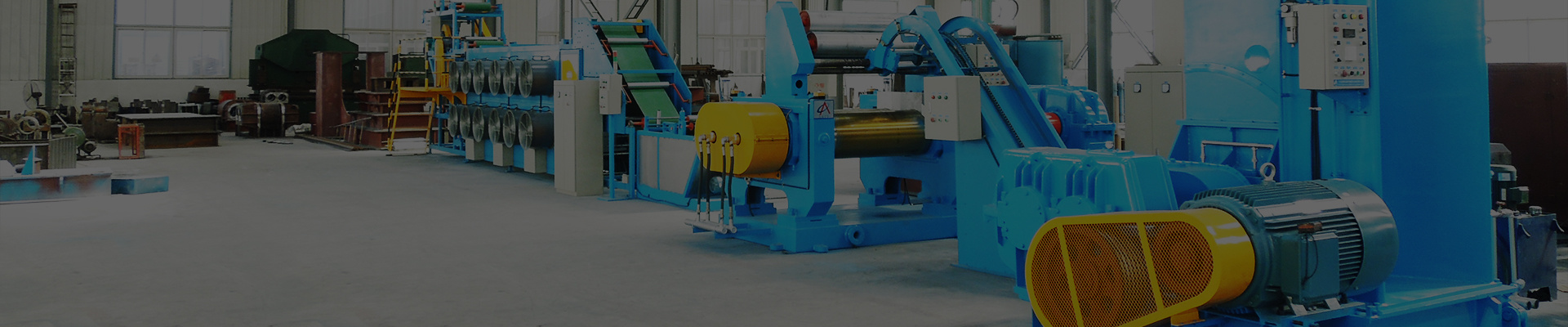
Maximizing Efficiency: Tips for Operating Sheet Extruder Machines
Time of issue:
2023-12-19
Table of Contents: 1. Introduction: Understanding the Importance of Efficiency in Sheet Extrusion 2. Choosing the Right Sheet Extruder Machine for Your Needs 3. Proper Maintenance and Cleaning Techniques for Sheet Extruder Machines 4. Optimizing Material Selection and Preparation for Enhanced Efficiency 5. Setting Up the Sheet Extruder Machine for Optimal Performance 6. Implementing Quality Contro
1. Introduction: Understanding the Importance of Efficiency in Sheet Extrusion
2. Choosing the Right Sheet Extruder Machine for Your Needs
3. Proper Maintenance and Cleaning Techniques for Sheet Extruder Machines
4. Optimizing Material Selection and Preparation for Enhanced Efficiency
5. Setting Up the Sheet Extruder Machine for Optimal Performance
6. Implementing Quality Control Measures in Sheet Extrusion Process
7. Troubleshooting Common Issues and Preventing Downtime
8. Frequently Asked Questions (FAQs)
8.1. What are the key components of a sheet extruder machine?
8.2. How often should I clean and maintain my sheet extruder machine?
8.3. What materials can be used in sheet extrusion?
8.4. How can I optimize the cooling process in sheet extrusion?
8.5. What are the common problems faced in sheet extrusion and how to resolve them?
9. Conclusion: Achieving Efficiency and Excellence in Sheet Extrusion Operations
1. Introduction: Understanding the Importance of Efficiency in Sheet Extrusion
Sheet extrusion plays a significant role in the manufacturing and processing machinery industry. Efficient operation of sheet extruder machines is crucial to meet production demands, reduce costs, and deliver high-quality products. This article provides valuable tips and insights to help you maximize efficiency and optimize results.
2. Choosing the Right Sheet Extruder Machine for Your Needs
Selecting the appropriate sheet extruder machine is the first step towards maximizing efficiency. Consider factors such as production volume, material compatibility, and desired output quality. Investing in a reliable and technologically advanced machine will enhance overall productivity and streamline operations.
3. Proper Maintenance and Cleaning Techniques for Sheet Extruder Machines
Regular maintenance and cleaning are essential to prevent breakdowns, reduce downtime, and ensure consistent performance. Follow manufacturer guidelines for lubrication, inspection, and cleaning procedures. By adopting a proactive approach to machine maintenance, you can minimize the risk of costly repairs and maximize efficiency.
4. Optimizing Material Selection and Preparation for Enhanced Efficiency
Choosing the right materials and preparing them properly are critical for efficient sheet extrusion. Consider factors such as material properties, viscosity, and melt flow index to ensure smooth processing. Proper drying and preheating of materials can significantly improve efficiency and prevent defects in the final product.
5. Setting Up the Sheet Extruder Machine for Optimal Performance
Proper machine setup is essential for achieving optimal performance and efficiency. Adjust parameters such as temperature, screw speed, and die gap according to the material being processed. Regularly monitor and fine-tune these settings to maintain consistent output quality and maximize productivity.
6. Implementing Quality Control Measures in Sheet Extrusion Process
Effective quality control measures are vital to ensure efficient sheet extrusion. Regularly inspect and test the produced sheets for thickness, width, and visual defects. Implement statistical process control techniques to identify trends and deviations, allowing for timely adjustments and waste reduction.
7. Troubleshooting Common Issues and Preventing Downtime
Despite thorough preparation and maintenance, issues may arise during sheet extrusion. Familiarize yourself with common problems such as die lines, sharkskin, or melt fracture, and their potential causes. Develop troubleshooting protocols to address these issues promptly and prevent extended downtime, ultimately enhancing efficiency.
8. Frequently Asked Questions (FAQs)
8.1. What are the key components of a sheet extruder machine?
A sheet extruder machine typically consists of a hopper, extruder screw, heating elements, die, cooling system, and take-off equipment.
8.2. How often should I clean and maintain my sheet extruder machine?
Cleaning and maintenance should be performed regularly, following the manufacturer's recommendations. Daily cleaning and periodic maintenance are essential to prevent issues and maximize efficiency.
8.3. What materials can be used in sheet extrusion?
A wide range of materials can be used in sheet extrusion, including plastics like polyethylene, polypropylene, and polystyrene. Other materials, such as PVC, PET, or composite materials, may also be suitable depending on the desired application.
8.4. How can I optimize the cooling process in sheet extrusion?
Optimizing the cooling process involves adjusting the cooling system settings, such as air velocity and temperature, to achieve the desired cooling rate. Proper cooling can enhance efficiency by improving sheet quality and reducing cycle times.
8.5. What are the common problems faced in sheet extrusion and how to resolve them?
Common problems in sheet extrusion include poor sheet quality, uneven thickness, and surface defects. Troubleshooting techniques such as adjusting temperature, screw speed, and die settings, as well as monitoring material properties, can help resolve these issues.
9. Conclusion: Achieving Efficiency and Excellence in Sheet Extrusion Operations
By implementing the tips and strategies discussed in this article, you can maximize efficiency and achieve superior results in sheet extrusion operations. Careful machine selection, proper maintenance, optimized material preparation, and effective quality control measures are key to enhancing productivity, reducing downtime, and delivering high-quality sheets. With continuous improvement and attention to detail, you can stay ahead in the competitive manufacturing and processing machinery industry.
Relevant Information
The Second Day of the Shanghai Exhibition
2025-09-18
The second day of the Greater Bay Area Expo
2025-05-16

ADD
Room 3718,No.9-1.Haifu Road,Dalian Free Trade Zone,China(Liaoning)Free Trade Pilot Area
PRODUCTS