



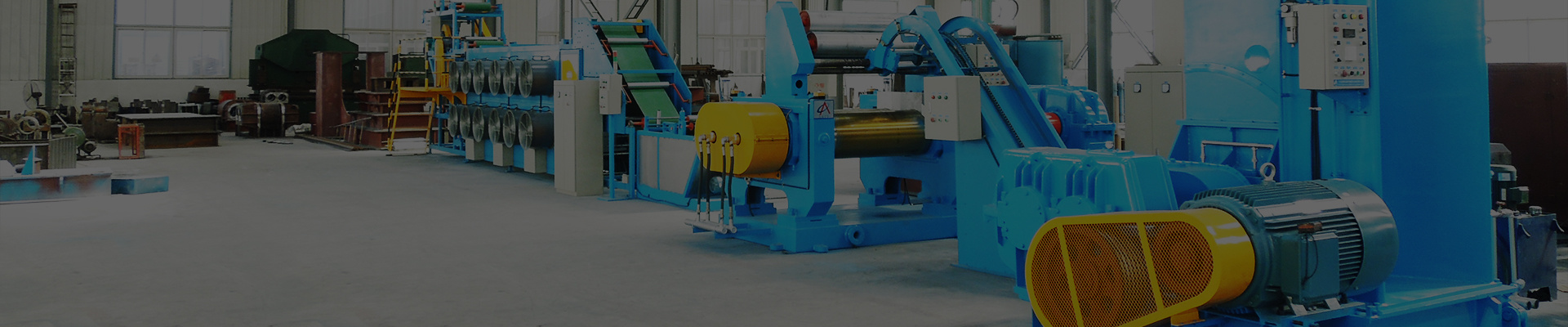
Maximizing Efficiency with a Rubber Crushing Mill
Time of issue:
2023-12-31
With a well-maintained and properly utilized rubber crushing mill, businesses can achieve higher productivity, cost savings, and improved material consistency
1. Importance
In the manufacturing and processing machinery industry, rubber crushing mills play a vital role in transforming raw materials into usable products. These machines are specifically designed to break down rubber waste or rubber compounds into smaller particles, making them suitable for further processing. The efficient operation of a rubber crushing mill is crucial for businesses looking to maximize their productivity and output.
2. Understanding the Working Principle of a Rubber Crushing Mill
A rubber crushing mill consists of a pair of counter-rotating rollers with adjustable gaps between them. The raw rubber material is fed into the gap between the rollers, which then exert pressure and force to crush and grind the rubber into smaller particles. The size of the gaps between the rollers can be adjusted to achieve the desired particle size and consistency.
3. Benefits of Utilizing a Rubber Crushing Mill
Using a rubber crushing mill offers several advantages for businesses in the manufacturing and processing machinery industry. These benefits include:
a. Efficient Rubber Processing: Rubber crushing mills provide an efficient and effective means of processing rubber waste or compounds. By breaking down the material into smaller particles, these machines facilitate easier handling and further processing.
b. Increased Productivity: With a rubber crushing mill, businesses can significantly increase their productivity. The ability to process larger quantities of rubber waste or compounds in a shorter time frame allows for higher output and faster turnaround times.
c. Cost Savings: By utilizing a rubber crushing mill, businesses can reduce their operating costs. These machines offer a cost-effective solution for processing and repurposing rubber waste, eliminating the need for expensive disposal methods.
d. Improved Material Consistency: Rubber crushing mills ensure a uniform particle size and consistency of the processed rubber material. This consistency is crucial for downstream processes, such as molding or extrusion, where uniformity is essential for achieving high-quality end products.
4. Factors Affecting Efficiency in Rubber Crushing Mills
To maximize efficiency in rubber crushing mills, businesses must consider several factors that can impact the performance of these machines. Some key factors to keep in mind include:
a. Roller Gap Adjustment: The size of the gaps between the counter-rotating rollers is critical for achieving the desired particle size. Proper adjustment of the roller gap ensures efficient crushing and prevents excessive wear on the rollers.
b. Rubber Feed Rate: Controlling the rate at which rubber waste or compounds are fed into the crushing mill is crucial for optimal efficiency. Overloading the machine can lead to decreased performance, while underfeeding may result in underutilization of the equipment's capacity.
c. Roller Maintenance: Regular maintenance of the rollers is important to ensure optimal performance. Cleaning and lubricating the rollers, as well as checking for signs of wear or damage, can help prevent downtime and maintain efficiency.
d. Monitoring and Control Systems: Incorporating monitoring and control systems into rubber crushing mills allows for real-time performance tracking and adjustments. These systems enable businesses to identify and address efficiency issues promptly, optimizing the overall operation.
5. Strategies for Maximizing Efficiency in Rubber Crushing Mills
To maximize efficiency and get the most out of a rubber crushing mill, businesses can implement the following strategies:
a. Optimize Roller Gap Settings: Experiment with different roller gap settings to find the optimal configuration that achieves the desired particle size and consistency. Regularly monitor and adjust the gap settings based on the material being processed.
b. Consistent Feed Rate: Maintain a consistent and steady feed rate to ensure the crushing mill operates at its full capacity. A well-regulated and controlled feed rate minimizes downtime and maximizes efficiency.
c. Proper Roller Maintenance: Follow the manufacturer's guidelines for roller maintenance, including regular cleaning, lubrication, and inspection. Promptly address any signs of wear or damage to prevent downtime and maintain optimal performance.
d. Invest in Monitoring and Control Systems: Consider incorporating advanced monitoring and control systems into rubber crushing mills. These systems provide real-time data on performance parameters, allowing for immediate adjustments to optimize efficiency.
6. Conclusion
Maximizing efficiency with a rubber crushing mill is essential for businesses in the manufacturing and processing machinery industry. By understanding the working principle, benefits, and key factors affecting efficiency, businesses can optimize their operations and increase productivity. Implementing strategies such as optimizing roller gap settings, maintaining a consistent feed rate, and investing in monitoring and control systems can further enhance efficiency and output. With a well-maintained and properly utilized rubber crushing mill, businesses can achieve higher productivity, cost savings, and improved material consistency, ultimately gaining a competitive edge in the industry.
Relevant Information
The Second Day of the Shanghai Exhibition
2025-09-18
The second day of the Greater Bay Area Expo
2025-05-16

ADD
Room 3718,No.9-1.Haifu Road,Dalian Free Trade Zone,China(Liaoning)Free Trade Pilot Area
PRODUCTS