



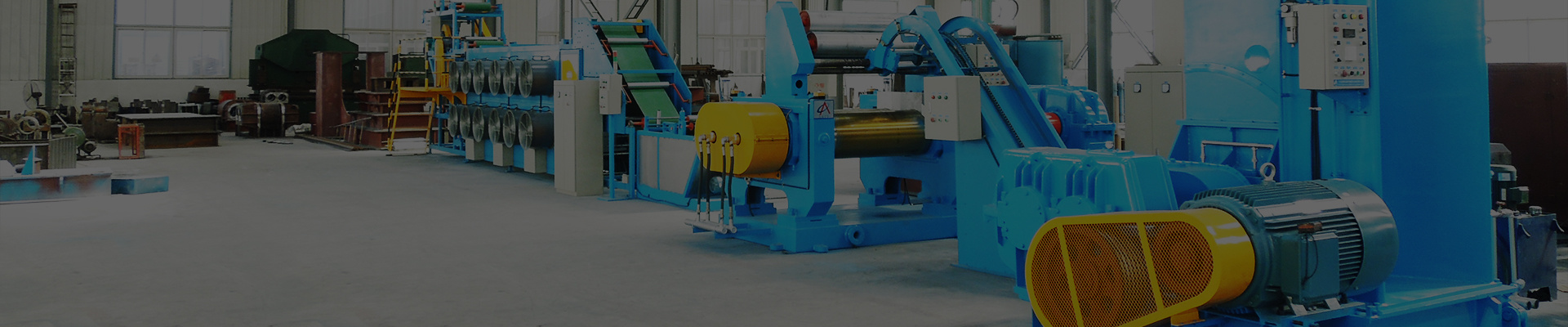
Revolutionize Rubber Recycling with Cutting-Edge Pelletizing Equipment
Time of issue:
2023-11-13
Table of Contents: 1. Introduction: The Need for Revolutionary Rubber Recycling 2. The Role of Pelletizing Equipment in Rubber Recycling 3. Advantages of Cutting-Edge Pelletizing Equipment 3.1 Enhanced Efficiency and Productivity 3.2 Waste Reduction and Resource Optimization 3.3 Improved Quality and Versatility of Recycled Rubber 4. Key Features of Modern Pelletizing Equipment 4.1 High
1. Introduction: The Need for Revolutionary Rubber Recycling
2. The Role of Pelletizing Equipment in Rubber Recycling
3. Advantages of Cutting-Edge Pelletizing Equipment
3.1 Enhanced Efficiency and Productivity
3.2 Waste Reduction and Resource Optimization
3.3 Improved Quality and Versatility of Recycled Rubber
4. Key Features of Modern Pelletizing Equipment
4.1 High-Tech Shredding and Granulating Systems
4.2 Advanced Sorting and Separation Mechanisms
4.3 Innovative Pelletizing Techniques for Superior Results
5. Addressing Challenges in Rubber Recycling
5.1 Contaminant Removal and Material Purity
5.2 Energy Efficiency and Environmental Impact
6. Frequently Asked Questions (FAQs)
6.1 What is rubber recycling?
6.2 How does pelletizing equipment contribute to rubber recycling?
6.3 What are the benefits of using cutting-edge pelletizing equipment?
6.4 How does modern pelletizing equipment improve efficiency?
6.5 What challenges does rubber recycling face, and how can pelletizing equipment help?
7. Conclusion: Unlocking the Potential of Rubber Recycling with Advanced Pelletizing Equipment
Introduction: The Need for Revolutionary Rubber Recycling
Rubber waste is a significant environmental concern, with millions of tons generated each year. Traditional disposal methods, such as landfilling or incineration, are unsustainable and contribute to pollution. To address this issue, the rubber recycling industry has been actively seeking innovative solutions. Cutting-edge pelletizing equipment has emerged as a game-changer in rubber recycling, offering improved efficiency, waste reduction, and enhanced product quality.
The Role of Pelletizing Equipment in Rubber Recycling
Pelletizing equipment plays a crucial role in the rubber recycling process by converting waste rubber into useful pellets or granules. This transformation allows for easier transportation, storage, and subsequent use in various applications. By breaking down rubber waste into smaller particles, pelletizing equipment facilitates the separation of contaminants, resulting in cleaner and purer recycled materials.
Advantages of Cutting-Edge Pelletizing Equipment
3.1 Enhanced Efficiency and Productivity
Modern pelletizing equipment offers advanced features that significantly improve efficiency and productivity in rubber recycling operations. Automated systems streamline the process, reducing manual labor requirements and minimizing downtime. With faster processing speeds and higher throughput capacities, these machines enable manufacturers to handle larger volumes of rubber waste without compromising quality or output.
3.2 Waste Reduction and Resource Optimization
One of the primary objectives of rubber recycling is waste reduction. Cutting-edge pelletizing equipment excels in this aspect by maximizing resource utilization and minimizing material loss. By efficiently shredding, granulating, and pelletizing rubber waste, these machines ensure minimal residual waste and enable the recovery of valuable materials. This leads to significant cost savings and environmental benefits.
3.3 Improved Quality and Versatility of Recycled Rubber
The quality and versatility of recycled rubber depend on the pelletizing process. Advanced equipment enables precise control over particle size, shape, and consistency, resulting in high-quality pellets suitable for various applications. Whether used in the production of new rubber products or as a raw material for other industries, the versatility of these recycled pellets further enhances their value and marketability.
Key Features of Modern Pelletizing Equipment
4.1 High-Tech Shredding and Granulating Systems
Cutting-edge pelletizing equipment incorporates high-tech shredding and granulating systems designed to handle different types of rubber waste effectively. These systems ensure the efficient breakdown of rubber materials into smaller particles, preparing them for the subsequent pelletizing process. Advanced cutting mechanisms, adjustable settings, and robust construction guarantee optimal performance and durability.
4.2 Advanced Sorting and Separation Mechanisms
Contaminants pose a significant challenge in rubber recycling. Modern pelletizing equipment overcomes this hurdle with advanced sorting and separation mechanisms. Through precise screening, magnetic separation, and other innovative techniques, these machines remove contaminants, such as metal, fiber, and other impurities. The result is cleaner and purer recycled rubber, ready for further processing.
4.3 Innovative Pelletizing Techniques for Superior Results
Innovations in pelletizing techniques have revolutionized the rubber recycling industry. State-of-the-art equipment employs adjustable parameters to achieve desired pellet characteristics, including size, density, and hardness. This flexibility allows manufacturers to tailor the final product according to specific requirements, ensuring optimal performance in diverse applications.
Addressing Challenges in Rubber Recycling
5.1 Contaminant Removal and Material Purity
Contaminants, such as dirt, dust, and foreign objects, are common in rubber waste. Advanced pelletizing equipment incorporates robust cleaning and sorting mechanisms to ensure high material purity. By effectively removing contaminants, these machines enhance the quality and value of recycled rubber, meeting stringent industry standards and customer expectations.
5.2 Energy Efficiency and Environmental Impact
Another challenge in rubber recycling is the energy consumption and environmental impact associated with the process. However, cutting-edge pelletizing equipment addresses this concern through innovative design and energy-efficient technologies. By optimizing power usage, reducing emissions, and implementing sustainable practices, these machines contribute to a greener and more sustainable rubber recycling industry.
Frequently Asked Questions (FAQs)
6.1 What is rubber recycling?
Rubber recycling refers to the process of converting waste rubber materials into reusable products through various methods like shredding, granulating, and pelletizing. This eco-friendly approach helps reduce waste, conserve resources, and mitigate the environmental impact of rubber disposal.
6.2 How does pelletizing equipment contribute to rubber recycling?
Pelletizing equipment plays a critical role in rubber recycling by efficiently transforming waste rubber into pellets or granules. This process enables easier handling, transportation, and utilization of recycled rubber materials in various industries, promoting sustainability and resource optimization.
6.3 What are the benefits of using cutting-edge pelletizing equipment?
Cutting-edge pelletizing equipment offers numerous benefits in rubber recycling. These include enhanced efficiency, increased productivity, waste reduction, improved material quality, and versatility. By leveraging advanced technologies, manufacturers can achieve cost savings, environmental advantages, and a competitive edge in the market.
6.4 How does modern pelletizing equipment improve efficiency?
Modern pelletizing equipment improves efficiency by automating processes, reducing manual labor, and increasing throughput capacities. With advanced shredding, granulating, and pelletizing systems, these machines can handle larger volumes of rubber waste in less time, ensuring faster production and higher output.
6.5 What challenges does rubber recycling face, and how can pelletizing equipment help?
Rubber recycling faces challenges such as contaminant removal, material purity, and energy consumption. Cutting-edge pelletizing equipment addresses these issues through advanced sorting and separation mechanisms, ensuring high material purity. Additionally, energy-efficient technologies and sustainable practices in modern equipment help reduce the environmental impact of rubber recycling processes.
Conclusion: Unlocking the Potential of Rubber Recycling with Advanced Pelletizing Equipment
Cutting-edge pelletizing equipment is revolutionizing the rubber recycling industry by offering unparalleled efficiency, waste reduction, and improved material quality. With enhanced processing capabilities, advanced sorting mechanisms, and innovative pelletizing techniques, these machines pave the way for a more sustainable and environmentally friendly future. By investing in modern pelletizing equipment, manufacturers can unlock the full potential of rubber recycling, contributing to a circular economy and a greener planet.
Relevant Information
The Second Day of the Shanghai Exhibition
2025-09-18
The second day of the Greater Bay Area Expo
2025-05-16

ADD
Room 3718,No.9-1.Haifu Road,Dalian Free Trade Zone,China(Liaoning)Free Trade Pilot Area
PRODUCTS