



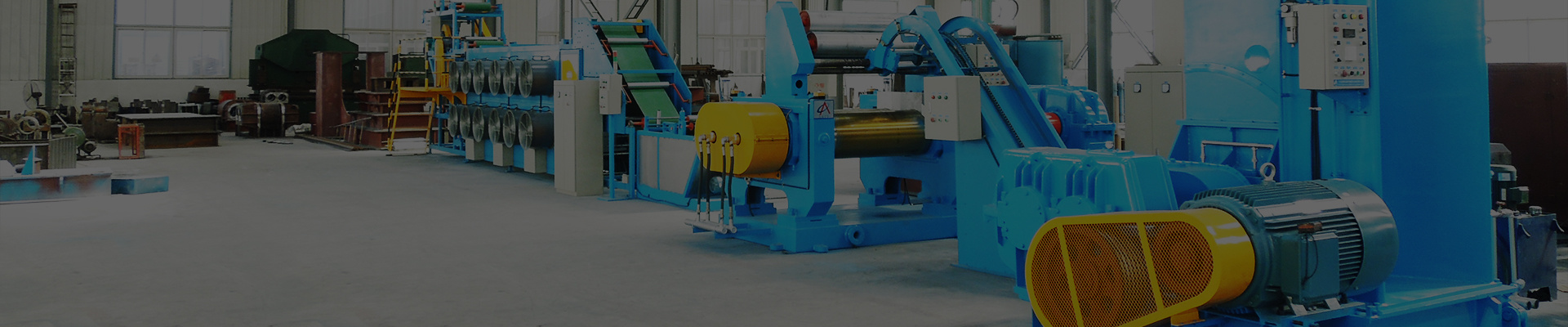
The Benefits of Using Conveyor Belt Joint Machines in Rubber Processing
Time of issue:
2023-12-25
Conveyor belt joint machines prioritize safety by minimizing the need for manual intervention in jointing and repair processes
1. Introduction
In the dynamic chemical industry, optimizing production processes is crucial to stay ahead of competition and meet increasing customer demands. Rubber processing, in particular, can greatly benefit from the integration of advanced machinery. This article explores the advantages of using conveyor belt joint machines in rubber processing and how they can significantly enhance efficiency, productivity, and overall operational performance.
2. Understanding Conveyor Belt Joint Machines
Conveyor belt joint machines are specialized equipment designed to join and repair conveyor belts used in various industrial applications, including rubber processing. These machines utilize advanced technology to ensure secure and durable joints, minimizing the risk of belt failure and maximizing operational uptime.
3. Streamlining Rubber Processing with Conveyor Belt Joint Machines
The integration of conveyor belt joint machines in rubber processing can streamline production processes, reduce manual labor, and improve overall efficiency. These machines automate the jointing and repair procedures, eliminating the need for time-consuming and labor-intensive manual processes. By achieving precise and consistent jointing, conveyor belt joint machines ensure high-quality end products and minimize production bottlenecks.
4. Benefits of Using Conveyor Belt Joint Machines in Rubber Processing
4.1 Increased Efficiency and Productivity
By automating conveyor belt jointing processes, these machines significantly enhance efficiency and productivity. They eliminate human error and inconsistencies, resulting in faster jointing and repair times. Improved efficiency translates to higher production output, reduced lead times, and increased overall profitability.
4.2 Enhanced Quality Control
Conveyor belt joint machines ensure precise and consistent jointing, leaving no room for error. This meticulous approach enhances quality control, minimizing the risk of faulty joints that can compromise product integrity. By maintaining strict quality standards, manufacturers can confidently deliver reliable and durable rubber products to their customers.
4.3 Cost Reduction and Sustainability
The integration of conveyor belt joint machines can lead to significant cost reductions in rubber processing. By automating labor-intensive tasks, companies can reduce their workforce requirements and allocate resources to other critical areas. Additionally, these machines optimize material usage, reducing waste and promoting sustainability.
4.4 Improved Safety Measures
Conveyor belt joint machines prioritize safety by minimizing the need for manual intervention in jointing and repair processes. This reduces the risk of accidents and injuries associated with traditional manual methods. With enhanced safety measures in place, companies can ensure a secure and protected working environment for their employees.
4.5 Flexibility and Adaptability
Conveyor belt joint machines are designed to accommodate various types of conveyor belts and adapt to specific manufacturing requirements. They can handle different belt widths, thicknesses, and materials, providing manufacturers with the flexibility to cater to diverse customer demands and industry applications.
4.6 Minimized Downtime
Timely joint repairs are critical to minimizing operational downtime in rubber processing. Conveyor belt joint machines enable quick and efficient joint repairs, reducing the duration of production interruptions. By keeping downtime to a minimum, manufacturers can optimize their production schedules and meet customer deadlines.
4.7 Precise and Consistent Jointing
Ensuring precise and consistent jointing is paramount in rubber processing. Conveyor belt joint machines utilize advanced technology to achieve perfect joint alignment, resulting in seamless transitions and increased belt durability. Consistent jointing also minimizes the risk of belt slippage, reducing maintenance requirements and maximizing overall equipment lifespan.
Continue to read full article...
Relevant Information
The Second Day of the Shanghai Exhibition
2025-09-18
The second day of the Greater Bay Area Expo
2025-05-16

ADD
Room 3718,No.9-1.Haifu Road,Dalian Free Trade Zone,China(Liaoning)Free Trade Pilot Area
PRODUCTS