



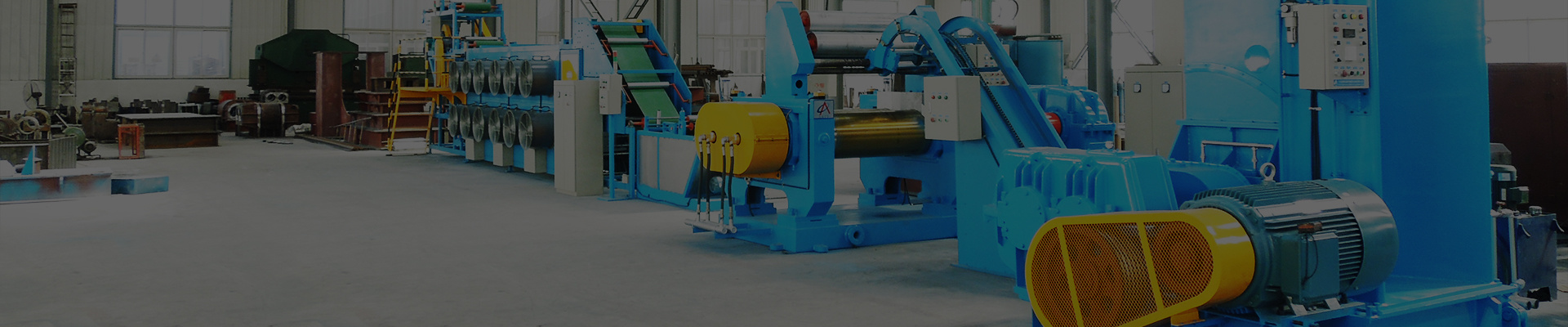
The Ultimate Guide to Cooling Systems in Industrial Equipment and Components
Time of issue:
2023-10-07
Cooling systems play a crucial role in the efficient functioning of industrial equipment and components, particularly in the realm of refrigeration devices
Cooling systems play a crucial role in the efficient functioning of industrial equipment and components, particularly in the realm of refrigeration devices. In this comprehensive guide, we will explore the significance of cooling systems, delve into various types, and highlight their benefits for industrial professionals.
Importance of Cooling Systems:
Cooling systems are indispensable in the industrial equipment and components sector, especially for refrigeration devices. They are responsible for dissipating heat generated during the operation of equipment, preventing damage to sensitive components, and ensuring optimal performance and longevity. Without efficient cooling, equipment can overheat, leading to malfunctions, reduced efficiency, and even potential safety hazards.
Different Types of Cooling Systems:
1. Air Cooling: This widely-used cooling method utilizes air as the medium to transfer heat away from equipment. It involves the use of fans, blowers, or air circulation systems to remove excess heat from components.
2. Liquid Cooling: Liquid cooling systems use fluids such as water or coolants to absorb and dissipate heat from industrial equipment. These systems are highly efficient and commonly employed in high-performance machinery.
3. Evaporative Cooling: This type of cooling exploits the principle of evaporation to reduce temperatures. Evaporative coolers utilize water evaporation to cool the air, making them suitable for specific industrial applications.
Benefits of Cooling Systems:
1. Enhanced Efficiency: Cooling systems maintain optimal operating temperatures, enhancing equipment efficiency and performance. By preventing overheating, they help reduce energy consumption and maintain stable operations.
2. Extended Lifespan: Proper cooling can significantly prolong the lifespan of industrial equipment and components. By mitigating heat-related stress and wear, cooling systems contribute to increased durability and reduced maintenance costs.
3. Improved Safety: Cooling systems minimize the risk of equipment failure and potential hazards associated with overheating. This ensures a safe working environment for industrial professionals and prevents accidents or damage to the equipment.
Conclusion:
Cooling systems are vital components in the industrial equipment and components industry, particularly for refrigeration devices. By dissipating heat, these systems optimize equipment performance, extend lifespan, and enhance safety. Understanding the various types of cooling systems and their benefits empowers professionals in making informed decisions when it comes to their industrial cooling needs.
Relevant Information
The Second Day of the Shanghai Exhibition
2025-09-18
The second day of the Greater Bay Area Expo
2025-05-16

ADD
Room 3718,No.9-1.Haifu Road,Dalian Free Trade Zone,China(Liaoning)Free Trade Pilot Area
PRODUCTS