



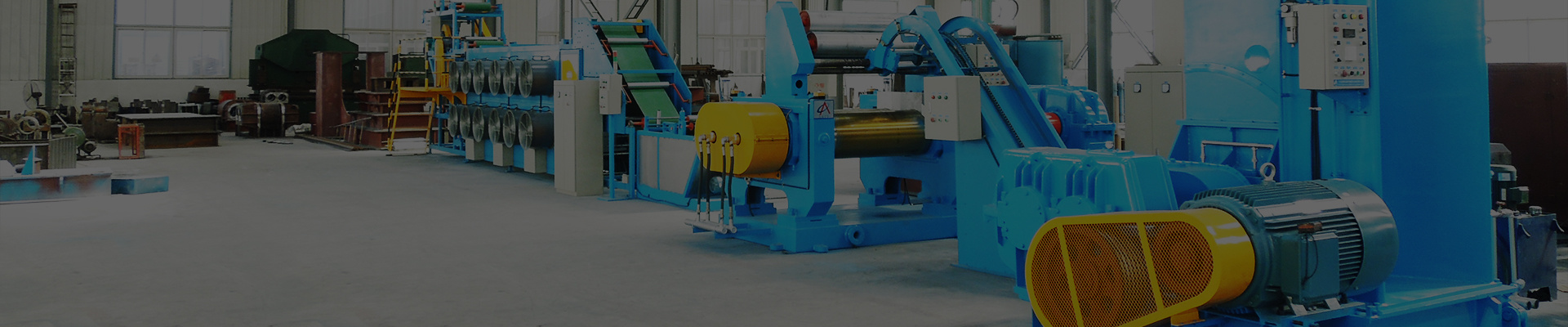
The Ultimate Guide to Sheet Extruder Machines: Everything You Need to Know
Time of issue:
2023-12-19
Table of Contents: 1. Introduction to Sheet Extruder Machines 2. How Sheet Extruder Machines Work 3. Types of Sheet Extruder Machines 3.1 Single Screw Extruders 3.2 Twin Screw Extruders 3.3 Co-Extrusion Systems 4. Applications of Sheet Extrusion 4.1 Packaging Industry 4.2 Automotive Industry 4.3 Construction Industry 4.4 Electrical Industry 5. Choosing the Right Sheet Extruder
1. Introduction to Sheet Extruder Machines
2. How Sheet Extruder Machines Work
3. Types of Sheet Extruder Machines
3.1 Single Screw Extruders
3.2 Twin Screw Extruders
3.3 Co-Extrusion Systems
4. Applications of Sheet Extrusion
4.1 Packaging Industry
4.2 Automotive Industry
4.3 Construction Industry
4.4 Electrical Industry
5. Choosing the Right Sheet Extruder Machine
5.1 Considerations for Material Compatibility
5.2 Output Capacity and Speed
5.3 Energy Efficiency
5.4 Maintenance and Service Support
6. Troubleshooting Common Issues with Sheet Extruder Machines
6.1 Uneven Thickness
6.2 Warping or Curling
6.3 Poor Surface Quality
6.4 Extruder Motor Overheating
6.5 Material Degradation
7. Frequently Asked Questions (FAQs)
7.1 What materials can be used in sheet extrusion?
7.2 What factors affect the quality of extruded sheets?
7.3 How can I optimize the output of my sheet extruder machine?
7.4 Are sheet extruder machines suitable for small-scale production?
7.5 What safety precautions should be taken while operating sheet extruder machines?
8. Conclusion
1. Introduction to Sheet Extruder Machines
Sheet extruder machines are crucial equipment in the manufacturing and processing machinery industry. They are used to produce plastic sheets of various thicknesses and sizes. These sheets find applications in diverse industries such as packaging, automotive, construction, and electrical. Understanding how these machines work and their different types is essential for anyone involved in sheet extrusion.
2. How Sheet Extruder Machines Work
Sheet extruder machines operate on the principle of melting and shaping plastic materials. The process starts with feeding plastic pellets or resin into the extruder's hopper. The material is then melted and homogenized in the extruder barrel using heat and mechanical energy. The molten plastic is pushed through a die, which determines the shape and size of the extruded sheet. Cooling and stretching mechanisms solidify the sheet, ensuring uniform thickness and desired properties.
3. Types of Sheet Extruder Machines
3.1 Single Screw Extruders
Single screw extruders are the most commonly used type in sheet extrusion. They consist of a single screw housed inside a barrel. The screw rotates, pushing the molten plastic forward and forcing it through the die. Single screw extruders are versatile, cost-effective, and suitable for a wide range of materials.
3.2 Twin Screw Extruders
Twin screw extruders utilize two intermeshing screws to process plastic materials. This design offers better mixing and compounding capabilities, making them ideal for specialized applications. Twin screw extruders provide enhanced control over material properties and are often preferred for high-performance sheets.
3.3 Co-Extrusion Systems
Co-extrusion systems involve the simultaneous extrusion of multiple layers of different materials. This technology enables the production of composite sheets with distinct properties in each layer. Co-extrusion is commonly used in packaging and construction industries to create sheets with improved strength, barrier properties, and visual appeal.
4. Applications of Sheet Extrusion
4.1 Packaging Industry
Sheet extruder machines play a vital role in the packaging industry. They produce plastic sheets used for packaging materials like food containers, blister packs, trays, and bottles. These sheets offer excellent protection, durability, and customization options.
4.2 Automotive Industry
In the automotive industry, sheet extruded materials are used for various components such as dashboards, door panels, and interior trims. These sheets provide high strength, impact resistance, and dimensional stability, contributing to the overall safety and aesthetics of vehicles.
4.3 Construction Industry
Sheet extrusion finds extensive use in the construction industry for manufacturing roofing sheets, wall cladding, and insulation materials. These sheets offer weather resistance, thermal insulation, and ease of installation, making them indispensable for modern construction projects.
4.4 Electrical Industry
Electrical components such as switchboards, electrical panels, and insulating materials rely on sheet extrusion. The sheets used in this industry possess excellent electrical insulation properties, high heat resistance, and flame retardancy to ensure safety and reliability.
5. Choosing the Right Sheet Extruder Machine
Selecting the appropriate sheet extruder machine depends on several factors that align with your specific requirements. Considerations such as material compatibility, output capacity, energy efficiency, and maintenance support are crucial in determining the right machine for your application.
5.1 Considerations for Material Compatibility
Different plastic materials have varying characteristics, including melting temperature, viscosity, and flow behavior. It is essential to choose a sheet extruder machine that can handle the specific materials you plan to process. Factors such as screw design, barrel temperature control, and die configuration should be considered to ensure optimal performance and desired product quality.
5.2 Output Capacity and Speed
The production output and speed required for your application will determine the size and configuration of the extruder. Consider the anticipated demand and production volume to choose a machine that can meet your requirements without compromising quality and efficiency.
5.3 Energy Efficiency
Energy consumption is a significant consideration, both economically and environmentally. Opt for sheet extruder machines that incorporate energy-saving features such as efficient heating and cooling systems, variable frequency drives, and insulation enhancements. These features not only reduce operational costs but also contribute to sustainability efforts.
5.4 Maintenance and Service Support
Regular maintenance and timely service are essential for keeping sheet extruder machines in optimal condition. Choose machines from reputable manufacturers who provide comprehensive maintenance guidelines, spare parts availability, and reliable customer support. This ensures minimal downtime and maximizes the lifespan of your equipment.
6. Troubleshooting Common Issues with Sheet Extruder Machines
Despite their efficiency, sheet extruder machines may encounter occasional problems that affect product quality and production efficiency. Here are some common issues and their possible solutions:
6.1 Uneven Thickness
Uneven thickness can occur due to inconsistent material flow or improper die design. Ensure proper heating, melting, and homogenization of the plastic material. Check for any obstructions or wear in the die, and make necessary adjustments or replacements.
6.2 Warping or Curling
Warping or curling of extruded sheets may result from inadequate cooling or improper stretching mechanisms. Optimize the cooling process by adjusting cooling air velocity and temperature. Check and calibrate the stretching mechanism to ensure uniform stretching across the sheet width.
6.3 Poor Surface Quality
Poor surface quality can be caused by contamination, die damage, or improper melt temperature. Maintain cleanliness in the extruder barrel and die to prevent contamination. Inspect the die for wear or damage and replace if necessary. Adjust the melt temperature within the recommended range to achieve the desired surface finish.
6.4 Extruder Motor Overheating
Excessive motor heating can occur due to high processing temperatures, inadequate cooling, or motor overload. Monitor the extruder motor temperature regularly and ensure proper cooling and lubrication. Avoid overloading the motor beyond its rated capacity to prevent overheating.
6.5 Material Degradation
Material degradation can happen when processing temperatures exceed the material's recommended limits or when the residence time in the extruder is too long. Maintain strict control over temperature settings and residence time to prevent material degradation. Consider using additives or stabilizers if required.
7. Frequently Asked Questions (FAQs)
7.1 What materials can be used in sheet extrusion?
Sheet extrusion can be performed using various thermoplastic materials such as polyethylene, polypropylene, polystyrene, and PVC, among others.
7.2 What factors affect the quality of extruded sheets?
Factors influencing sheet quality include material properties, temperature control, screw design, die design, stretching mechanisms, and cooling conditions.
7.3 How can I optimize the output of my sheet extruder machine?
To optimize output, ensure proper material selection, maintain optimal processing conditions, minimize downtime, and implement efficient cooling and stretching mechanisms.
7.4 Are sheet extruder machines suitable for small-scale production?
Sheet extruder machines are available in different sizes, making them suitable for both small-scale and large-scale production. Choose a machine based on your production requirements and budget.
7.5 What safety precautions should be taken while operating sheet extruder machines?
Operators should follow safety guidelines, wear appropriate personal protective equipment, and receive proper training on the operation and maintenance of sheet extruder machines. Regular inspections and maintenance ensure safe and efficient operation.
8. Conclusion
In conclusion, sheet extruder machines are essential tools in the manufacturing and processing machinery industry. This comprehensive guide has provided an in-depth understanding of sheet extrusion, its applications, types of machines, and troubleshooting techniques. By selecting the right machine, optimizing production parameters, and adhering to safety guidelines, you can achieve superior quality and efficiency in sheet extrusion processes. Stay updated with technological advancements and industry trends to continuously improve your sheet extrusion capabilities.
Relevant Information
The Second Day of the Shanghai Exhibition
2025-09-18
The second day of the Greater Bay Area Expo
2025-05-16

ADD
Room 3718,No.9-1.Haifu Road,Dalian Free Trade Zone,China(Liaoning)Free Trade Pilot Area
PRODUCTS