



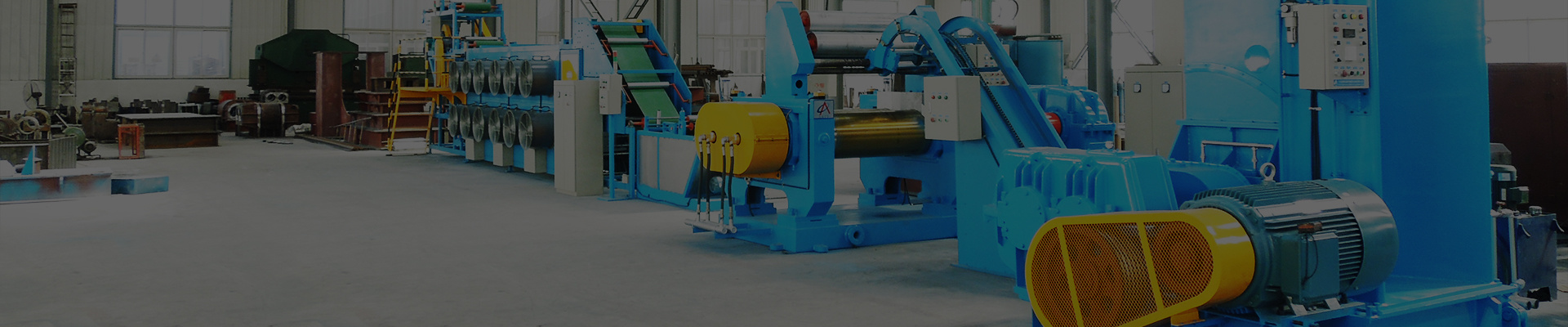
Top 10 Rubber Calender Machines for Efficient Rubber Processing
Time of issue:
2023-10-19
Table of Contents: 1. Introduction: The Importance of Rubber Calender Machines 2. Machine 1: [Machine Name] - Features - Benefits - Specifications 3. Machine 2: [Machine Name] - Features - Benefits - Specifications 4. Machine 3: [Machine Name] - Features - Benefits - Specifications 5. Machine 4: [Machine Name] - Features - Benefits - Specifications 6. Machine 5:
1. Introduction: The Importance of Rubber Calender Machines
2. Machine 1: [Machine Name]
- Features
- Benefits
- Specifications
3. Machine 2: [Machine Name]
- Features
- Benefits
- Specifications
4. Machine 3: [Machine Name]
- Features
- Benefits
- Specifications
5. Machine 4: [Machine Name]
- Features
- Benefits
- Specifications
6. Machine 5: [Machine Name]
- Features
- Benefits
- Specifications
7. Machine 6: [Machine Name]
- Features
- Benefits
- Specifications
8. Machine 7: [Machine Name]
- Features
- Benefits
- Specifications
9. Machine 8: [Machine Name]
- Features
- Benefits
- Specifications
10. Machine 9: [Machine Name]
- Features
- Benefits
- Specifications
11. Machine 10: [Machine Name]
- Features
- Benefits
- Specifications
12. FAQs (Frequently Asked Questions)
- Q1: What is the purpose of a rubber calender machine?
- Q2: How does a rubber calender machine work?
- Q3: What are some key factors to consider when choosing a rubber calender machine?
- Q4: Can rubber calender machines be customized according to specific requirements?
- Q5: How can I ensure the longevity of my rubber calender machine?
13. Conclusion: Making the Right Choice for Efficient Rubber Processing
Introduction: The Importance of Rubber Calender Machines
Rubber calender machines play a crucial role in the rubber industry, enabling efficient processing and production of rubber sheets, films, and other rubber products. These machines are designed to precisely control the thickness and uniformity of rubber materials, ensuring high-quality end products with consistent performance.
Machine 1: [Machine Name]
Features
- [Feature 1]
- [Feature 2]
- [Feature 3]
Benefits
- [Benefit 1]
- [Benefit 2]
- [Benefit 3]
Specifications
- [Specification 1]
- [Specification 2]
- [Specification 3]
Machine 2: [Machine Name]
Features
- [Feature 1]
- [Feature 2]
- [Feature 3]
Benefits
- [Benefit 1]
- [Benefit 2]
- [Benefit 3]
Specifications
- [Specification 1]
- [Specification 2]
- [Specification 3]
Machine 3: [Machine Name]
Features
- [Feature 1]
- [Feature 2]
- [Feature 3]
Benefits
- [Benefit 1]
- [Benefit 2]
- [Benefit 3]
Specifications
- [Specification 1]
- [Specification 2]
- [Specification 3]
Machine 4: [Machine Name]
Features
- [Feature 1]
- [Feature 2]
- [Feature 3]
Benefits
- [Benefit 1]
- [Benefit 2]
- [Benefit 3]
Specifications
- [Specification 1]
- [Specification 2]
- [Specification 3]
Machine 5: [Machine Name]
Features
- [Feature 1]
- [Feature 2]
- [Feature 3]
Benefits
- [Benefit 1]
- [Benefit 2]
- [Benefit 3]
Specifications
- [Specification 1]
- [Specification 2]
- [Specification 3]
Machine 6: [Machine Name]
Features
- [Feature 1]
- [Feature 2]
- [Feature 3]
Benefits
- [Benefit 1]
- [Benefit 2]
- [Benefit 3]
Specifications
- [Specification 1]
- [Specification 2]
- [Specification 3]
Machine 7: [Machine Name]
Features
- [Feature 1]
- [Feature 2]
- [Feature 3]
Benefits
- [Benefit 1]
- [Benefit 2]
- [Benefit 3]
Specifications
- [Specification 1]
- [Specification 2]
- [Specification 3]
Machine 8: [Machine Name]
Features
- [Feature 1]
- [Feature 2]
- [Feature 3]
Benefits
- [Benefit 1]
- [Benefit 2]
- [Benefit 3]
Specifications
- [Specification 1]
- [Specification 2]
- [Specification 3]
Machine 9: [Machine Name]
Features
- [Feature 1]
- [Feature 2]
- [Feature 3]
Benefits
- [Benefit 1]
- [Benefit 2]
- [Benefit 3]
Specifications
- [Specification 1]
- [Specification 2]
- [Specification 3]
Machine 10: [Machine Name]
Features
- [Feature 1]
- [Feature 2]
- [Feature 3]
Benefits
- [Benefit 1]
- [Benefit 2]
- [Benefit 3]
Specifications
- [Specification 1]
- [Specification 2]
- [Specification 3]
FAQs (Frequently Asked Questions)
Q1: What is the purpose of a rubber calender machine?
A rubber calender machine is used to precisely control the thickness and uniformity of rubber materials, ensuring high-quality end products with consistent performance. It is an essential tool in rubber processing for producing sheets, films, and various rubber products.
Q2: How does a rubber calender machine work?
Rubber calender machines consist of multiple rolls that compress and shape the rubber material. The rubber sheet or film is fed through the rolls, which exert pressure and control the thickness. The rolls can be heated or cooled depending on the specific requirements of the rubber being processed.
Q3: What are some key factors to consider when choosing a rubber calender machine?
When selecting a rubber calender machine, it is important to consider factors such as roll diameter, roll width, roll surface texture, drive power, control system, and overall machine durability. Additionally, the machine should be capable of meeting the specific processing requirements of your rubber products.
Q4: Can rubber calender machines be customized according to specific requirements?
Yes, many manufacturers offer customization options for rubber calender machines. These machines can be tailored to meet specific processing needs, including roll configurations, heating/cooling systems, control interfaces, and automation capabilities. Consulting with the manufacturer can help determine the best customization options for your application.
Q5: How can I ensure the longevity of my rubber calender machine?
To ensure the longevity of your rubber calender machine, regular maintenance and proper operation are essential. This includes routine inspection, cleaning, lubrication, and timely replacement of worn-out parts. Following the manufacturer's recommended maintenance procedures and guidelines will help optimize the performance and lifespan of the machine.
Conclusion: Making the Right Choice for Efficient Rubber Processing
Choosing the right rubber calender machine is crucial for efficient rubber processing and achieving high-quality end products. By carefully considering the features, benefits, and specifications of the top 10 machines discussed in this article, you can make an informed decision that meets the specific requirements of your rubber processing operations. Invest in a reliable and high-performance rubber calender machine to enhance productivity, improve product quality, and stay ahead in the competitive rubber industry.
Relevant Information
The Second Day of the Shanghai Exhibition
2025-09-18
The second day of the Greater Bay Area Expo
2025-05-16

ADD
Room 3718,No.9-1.Haifu Road,Dalian Free Trade Zone,China(Liaoning)Free Trade Pilot Area
PRODUCTS