



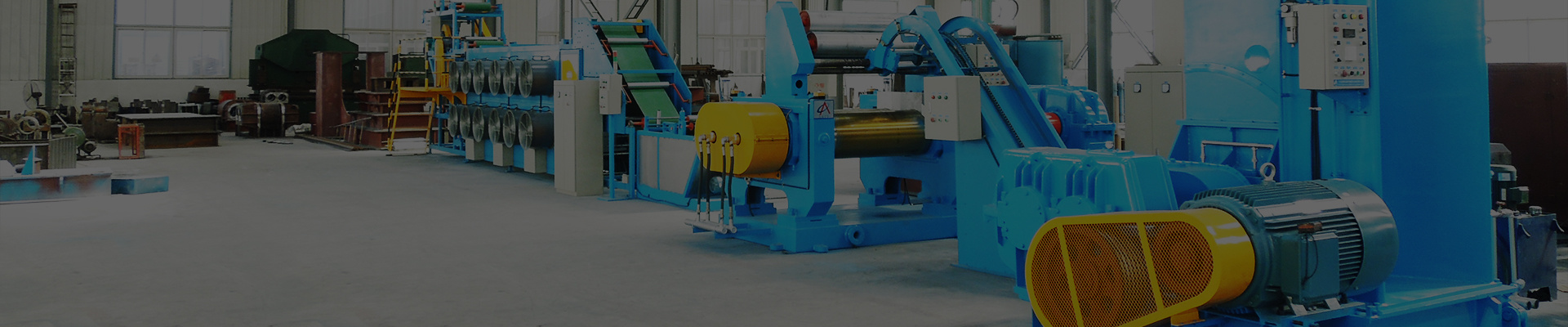
Understanding Mixers: A Guide to Mixing Machinery in Manufacturing and Processing
Time of issue:
2023-09-29
Introduction: In the realm of manufacturing and processing machinery, mixers play a vital role in achieving uniformity and consistency in the production process. This article aims to shed light on mixers, specifically focusing on their significance in the realm of mixing machinery. From understanding their functionalities to exploring their applications, this guide will equip you with valuable kno
In the realm of manufacturing and processing machinery, mixers play a vital role in achieving uniformity and consistency in the production process. This article aims to shed light on mixers, specifically focusing on their significance in the realm of mixing machinery. From understanding their functionalities to exploring their applications, this guide will equip you with valuable knowledge about mixers.
1. What Are Mixers?
Mixers, also known as mixing machines, are mechanical devices designed to blend different substances or materials together. They ensure the even distribution of components, resulting in a homogenous mixture. With their ability to efficiently combine materials, mixers find application across diverse industries, from food processing to pharmaceutical production.
2. Types of Mixers:
There are various types of mixers available, each catering to specific mixing requirements. Some common types include:
- Ribbon Mixers: These mixers employ a ribbon-shaped agitator to blend materials. They are ideal for dry or low-moisture mixing.
- Paddle Mixers: Paddle mixers use rotating paddles to create a thorough mix. They are suitable for mixing wet or sticky materials.
- Planetary Mixers: Planetary mixers feature a rotating blade that revolves around the mixing container. They are commonly used in the production of bakery goods and pastes.
- High Shear Mixers: These mixers generate intense shear forces, effectively dispersing and emulsifying materials. They find application in industries like cosmetics and chemical manufacturing.
3. Applications of Mixers:
Mixers serve a wide range of industries and applications, including:
- Food Processing: Mixers are crucial in the production of baked goods, sauces, and confectioneries, ensuring consistent taste and texture.
- Pharmaceutical Manufacturing: Mixers facilitate the precise blending of active ingredients and excipients, ensuring uniformity in medicine formulations.
- Chemical Industry: Mixers are used to combine various chemicals, enabling efficient reactions and homogeneous blends.
- Construction: In the construction industry, mixers are essential for creating concrete, mortar, and other building materials.
4. Factors to Consider:
When selecting a mixer for a specific application, several factors should be taken into account, such as:
- Mixing Capacity: Determine the desired batch size or throughput rate to choose an appropriately sized mixer.
- Mixing Time: Consider the required mixing time for achieving the desired results, as it can vary based on materials and applications.
- Mixing Intensity: Some materials require gentle mixing, while others benefit from intense agitation. Select a mixer that suits the intensity needed.
- Material Compatibility: Ensure that the mixer's construction and materials of contact are compatible with the substances being mixed.
Conclusion:
Mixers are an essential component of manufacturing and processing machinery, particularly in the realm of mixing machinery. Understanding the different types of mixers, their applications, and the factors to consider when selecting one can greatly enhance productivity and efficiency in various industries. By harnessing the power of mixers, manufacturers can achieve consistent and high-quality mixtures, leading to superior products.
Relevant Information
The Second Day of the Shanghai Exhibition
2025-09-18
The second day of the Greater Bay Area Expo
2025-05-16

ADD
Room 3718,No.9-1.Haifu Road,Dalian Free Trade Zone,China(Liaoning)Free Trade Pilot Area
PRODUCTS