



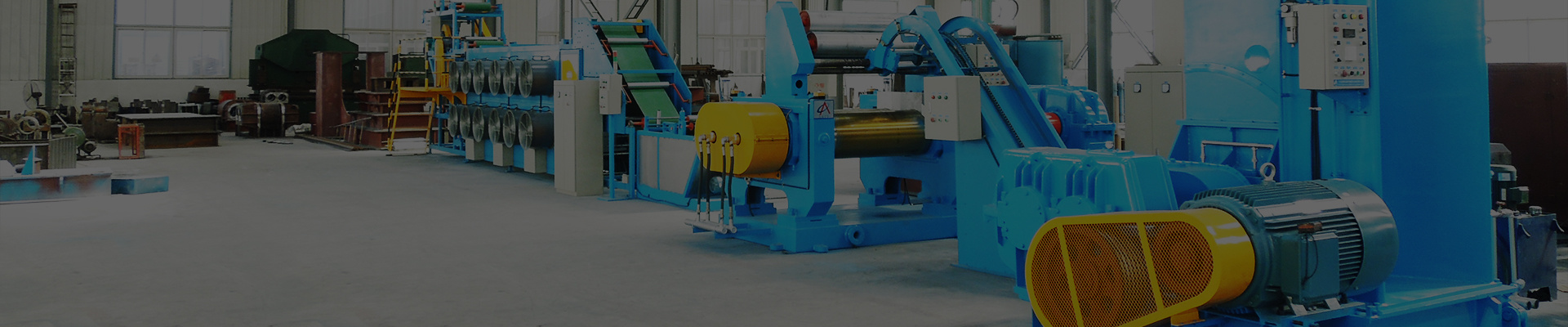
Understanding Rubber Mixing Machines: The Heart of Rubber Processing
Time of issue:
2024-08-03
Rubber mixing machines are pivotal in the rubber processing industry, serving as the backbone for creating high-quality rubber products. These machines are designed to blend various raw materials, including rubber polymers, fillers, and additives, to produce a uniform rubber compound that meets specific performance criteria. At the core of any rubber mixing machine is its mixing chamber. This cham
At the core of any rubber mixing machine is its mixing chamber. This chamber houses the primary components responsible for combining the materials: rotors. These rotors are typically made of high-strength steel and are engineered to withstand the intense pressures and temperatures generated during the mixing process. The design and geometry of the rotors can significantly impact the efficiency and effectiveness of the mixing operation, influencing the final properties of the rubber compound.
Another crucial aspect of rubber mixing machines is their ability to control temperature and shear. Proper temperature management is vital as it can affect the viscosity and reactivity of the rubber compounds. Many modern machines are equipped with advanced heating and cooling systems that allow for precise control over the mixing environment. This capability not only improves the quality of the final product but also enhances the machine's overall efficiency.
Additionally, rubber mixing machines often feature various automation and monitoring technologies. These advancements enable manufacturers to optimize their mixing processes, reduce waste, and ensure consistent quality. Sensors and control systems can monitor parameters such as temperature, pressure, and mixing time, providing real-time data that helps operators make informed decisions.
The benefits of using rubber mixing machines extend beyond just mixing. By ensuring a homogeneous blend, these machines play a crucial role in enhancing the mechanical properties of the final rubber products, such as their elasticity, strength, and durability. This uniformity is essential for applications ranging from tires and seals to medical devices and consumer goods.
Moreover, investing in high-quality rubber mixing machines can lead to significant cost savings for manufacturers. Efficient mixing processes reduce material waste and energy consumption, ultimately benefiting the bottom line. Additionally, consistent quality in rubber compounds can help companies maintain customer satisfaction and loyalty.
In conclusion, rubber mixing machines are integral to the rubber processing industry, enabling manufacturers to produce high-quality compounds that meet diverse application requirements. Understanding their components, functions, and the technological advancements in this field can help businesses optimize their operations and improve their product offerings. As technology continues to evolve, so too will the capabilities of rubber mixing machines, paving the way for even greater efficiencies and innovations in rubber manufacturing.
Relevant Information
The Second Day of the Shanghai Exhibition
2025-09-18
The second day of the Greater Bay Area Expo
2025-05-16

ADD
Room 3718,No.9-1.Haifu Road,Dalian Free Trade Zone,China(Liaoning)Free Trade Pilot Area
PRODUCTS