



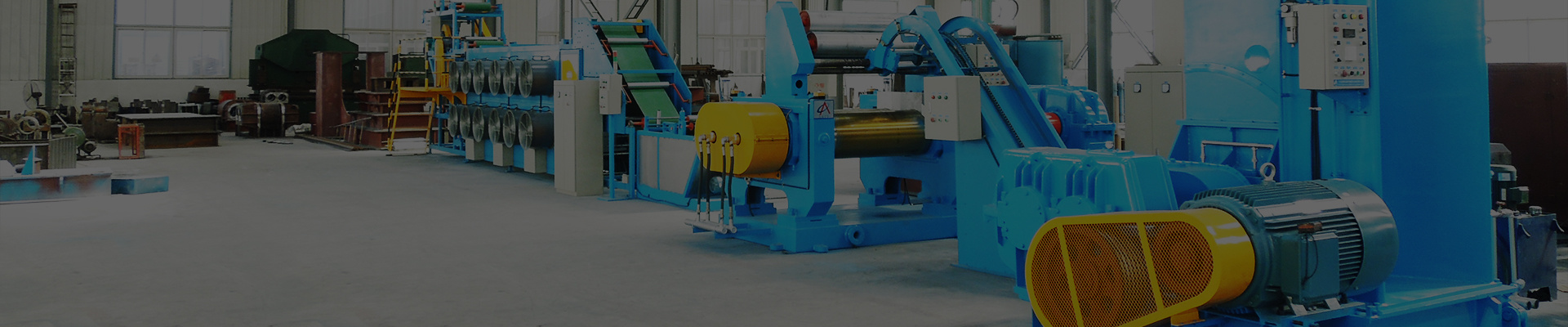
Understanding Rubber Moulding Machines: A Guide to Efficient Rubber Processing
Time of issue:
2024-08-05
Rubber moulding machines play a pivotal role in the manufacturing of rubber products, transforming raw rubber materials into functional items through various moulding processes. These machines are designed to apply heat and pressure to rubber compounds, allowing them to take the shape of specific moulds. The process not only facilitates the creation of intricate forms but also ensures the consiste
There are several types of rubber moulding processes, including compression moulding, injection moulding, and transfer moulding. Compression moulding is one of the most traditional methods, where preheated rubber is placed into a heated mould. Pressure is then applied, allowing the rubber to flow and fill the mould cavity. This method is ideal for creating simple shapes and is often used for producing gaskets, seals, and other basic rubber components.
Injection moulding, on the other hand, is a more contemporary technique that involves injecting molten rubber into a mould. This method allows for greater precision and is suitable for producing complex shapes and designs. It offers faster production cycles and the ability to manufacture multiple parts simultaneously, making it a preferred choice for high-volume production.
Transfer moulding sits in between these two processes, where rubber is first heated in a separate chamber and then transferred into the mould. This method combines the advantages of both compression and injection moulding, offering flexibility in design and efficient material usage.
The efficiency of rubber moulding machines is further enhanced by their automation features. Modern machines are equipped with advanced controls and monitoring systems, allowing for precise adjustments in temperature, pressure, and timing. This automation not only improves consistency in the manufacturing process but also reduces waste and lowers production costs.
Moreover, the choice of raw materials used in conjunction with rubber moulding machines is essential. The properties of the rubber compound, including its viscosity and curing characteristics, significantly influence the moulding process and the quality of the final product. Manufacturers often conduct extensive research to select the optimal formulations for their specific applications.
In conclusion, rubber moulding machines are integral to the rubber processing industry, offering a variety of methods to meet diverse manufacturing needs. Understanding the different moulding processes and their respective advantages can help businesses optimize their production strategies and enhance product quality. As technology continues to evolve, the future of rubber moulding is likely to incorporate even more sophisticated automation and materials science, further improving efficiency and sustainability in rubber manufacturing.
Relevant Information
The Second Day of the Shanghai Exhibition
2025-09-18
The second day of the Greater Bay Area Expo
2025-05-16

ADD
Room 3718,No.9-1.Haifu Road,Dalian Free Trade Zone,China(Liaoning)Free Trade Pilot Area
PRODUCTS