



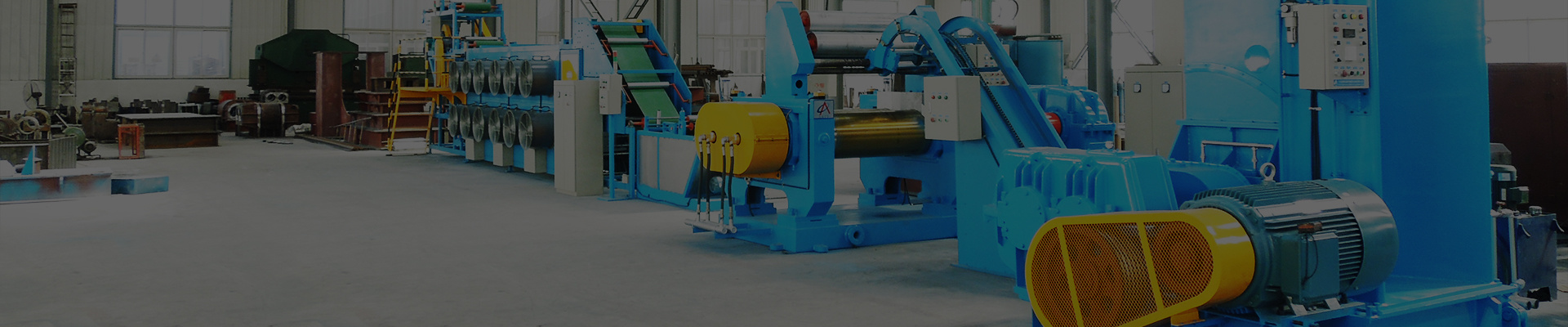
Understanding the Process: Plastic Recycling and Pelletizing
Time of issue:
2023-12-23
Introduction: In today's environmentally conscious world, plastic recycling has become a crucial process to reduce waste and promote sustainability. Plastic recycling involves converting used plastic materials into valuable resources through various stages, including sorting, cleaning, shredding, melting, and pelletizing. This article aims to provide a comprehensive understanding of the process of
In today's environmentally conscious world, plastic recycling has become a crucial process to reduce waste and promote sustainability. Plastic recycling involves converting used plastic materials into valuable resources through various stages, including sorting, cleaning, shredding, melting, and pelletizing. This article aims to provide a comprehensive understanding of the process of plastic recycling and pelletizing, highlighting its significance in tackling the global plastic waste crisis.
Table of Contents:
1. The Importance of Plastic Recycling
2. Sorting and Collection of Plastic Waste
3. Cleaning and Preparing the Plastic Waste for Recycling
4. Shredding and Grinding the Plastic Waste
5. Melting and Extrusion Process
6. Pelletizing the Molten Plastic
7. Quality Control and Testing of Plastic Pellets
8. Applications of Plastic Pellets
9. Frequently Asked Questions (FAQs)
10. Conclusion
1. The Importance of Plastic Recycling:
Plastic recycling plays a vital role in reducing the environmental impact of plastic waste. By recycling plastic, we can conserve natural resources, save energy, reduce greenhouse gas emissions, and prevent the accumulation of plastic in landfills and oceans. Additionally, recycling plastic promotes the circular economy, where materials are reused, reducing the need for virgin plastic production.
2. Sorting and Collection of Plastic Waste:
The first step in the plastic recycling process is the sorting and collection of plastic waste. This involves separating different types of plastic based on their resin codes. Specialized recycling facilities and recycling centers ensure proper collection and segregation of plastic waste to maximize recycling efficiency.
3. Cleaning and Preparing the Plastic Waste for Recycling:
Once the plastic waste is sorted, it undergoes a thorough cleaning process to remove any contaminants such as dirt, labels, or leftover contents. This cleaning step is crucial to ensure the quality of the recycled plastic material and prevent any impurities during subsequent stages.
4. Shredding and Grinding the Plastic Waste:
After cleaning, the plastic waste is shredded into small pieces or ground into flakes using specialized machinery. This shredding or grinding process increases the surface area of the plastic, making it easier to melt and process further. It also helps in removing any remaining impurities and facilitates the subsequent stages of recycling.
5. Melting and Extrusion Process:
Once the plastic waste is shredded or ground, it is fed into a melting chamber where it undergoes high temperatures to melt into a molten state. This molten plastic is then extruded through a die to form a continuous shape, such as a strand or a sheet. The extrusion process ensures uniformity and consistency in the melted plastic material.
6. Pelletizing the Molten Plastic:
After extrusion, the molten plastic is cooled and cut into small cylindrical pellets. This pelletizing process shapes the plastic into a convenient form for storage, transportation, and further utilization. These plastic pellets can be customized in terms of size, shape, and color, depending on the intended application.
7. Quality Control and Testing of Plastic Pellets:
To ensure the quality and integrity of the plastic pellets, rigorous testing and quality control measures are implemented. This involves checking for impurities, conducting melt flow index tests, and verifying the mechanical properties of the plastic pellets. Only high-quality pellets meet the industry standards and are suitable for various applications.
8. Applications of Plastic Pellets:
Plastic pellets obtained through recycling and pelletizing processes find extensive applications across various industries. They can be used for manufacturing new plastic products, such as bottles, containers, packaging materials, automotive parts, and even clothing. The versatility of plastic pellets makes them a valuable resource in reducing the demand for virgin plastic and minimizing environmental impact.
9. Frequently Asked Questions (FAQs):
FAQ 1: How can I contribute to plastic recycling?
FAQ 2: Are all types of plastic recyclable?
FAQ 3: What challenges are associated with plastic recycling?
FAQ 4: How can recycled plastic pellets be differentiated from virgin plastic pellets?
FAQ 5: Can plastic waste be recycled indefinitely?
Conclusion:
Understanding the process of plastic recycling and pelletizing is crucial in addressing the growing plastic waste crisis. By implementing effective recycling practices, we can contribute to a sustainable future and reduce environmental degradation. Plastic recycling not only conserves resources and reduces waste but also promotes the circular economy. Let us join hands in recycling plastic and safeguarding our planet for generations to come.
Relevant Information
The Second Day of the Shanghai Exhibition
2025-09-18
The second day of the Greater Bay Area Expo
2025-05-16

ADD
Room 3718,No.9-1.Haifu Road,Dalian Free Trade Zone,China(Liaoning)Free Trade Pilot Area
PRODUCTS