



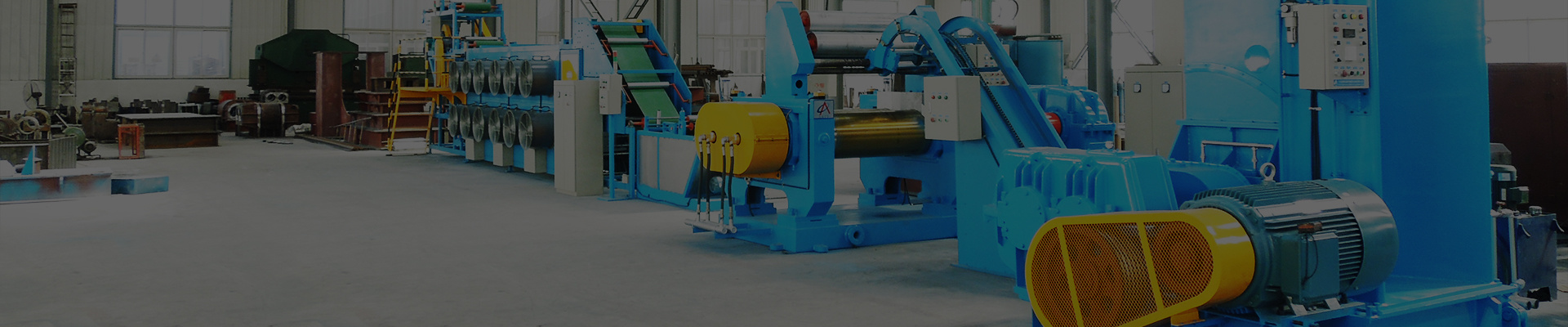
Unleashing the Power of Gears: Enhancing Performance and Efficiency
Time of issue:
2023-10-04
Table of Contents: 1. Introduction: The Importance of Gears in Performance and Efficiency 2. Understanding Gear Principles: A Foundation for Optimization 3. Types of Gears and Their Applications 4. Gear Materials: Choosing the Right Alloy for Enhanced Performance 5. Gear Geometry: The Key to Efficiency 6. Lubrication and Gear Performance 7. Gear Noise and Vibration: Minimizing Unwanted Effects 8.
1. Introduction: The Importance of Gears in Performance and Efficiency
2. Understanding Gear Principles: A Foundation for Optimization
3. Types of Gears and Their Applications
4. Gear Materials: Choosing the Right Alloy for Enhanced Performance
5. Gear Geometry: The Key to Efficiency
6. Lubrication and Gear Performance
7. Gear Noise and Vibration: Minimizing Unwanted Effects
8. Gear Tooth Surface Treatment: Enhancing Durability and Efficiency
9. Gear Testing and Quality Control: Ensuring Optimal Performance
10. FAQs: Your Gear Optimization Queries Answered
1. Introduction: The Importance of Gears in Performance and Efficiency
Gears are an integral part of countless machinery, from automobiles to industrial equipment. They play a crucial role in power transmission, torque amplification, and speed control, significantly impacting the overall performance and efficiency of these systems. In this article, we delve into the realm of gears and explore how to unlock their maximum potential for enhanced performance.
2. Understanding Gear Principles: A Foundation for Optimization
To optimize gear systems, it is vital to have a deep understanding of gear principles. We explore the basics of gear terminology, gear ratios, and gear types. By grasping these fundamental concepts, you can make informed decisions when designing and implementing gear solutions.
3. Types of Gears and Their Applications
Different gear types offer distinct advantages depending on the application. We delve into the various gear configurations, including spur gears, helical gears, bevel gears, and more. Understand the strengths and limitations of each gear type, empowering you to choose the most suitable option for your specific needs.
4. Gear Materials: Choosing the Right Alloy for Enhanced Performance
The choice of gear material is critical for achieving optimal performance and efficiency. We discuss the characteristics of commonly used gear materials such as steel, cast iron, and bronze. Discover the factors to consider when selecting the appropriate gear material to ensure durability, strength, and reduced wear.
5. Gear Geometry: The Key to Efficiency
The geometry of gears directly impacts their efficiency and performance. We explore factors such as tooth profile, pitch, and pressure angle that influence gear functionality. By optimizing gear geometry, you can minimize friction, maximize power transfer, and improve overall system efficiency.
6. Lubrication and Gear Performance
Proper lubrication is essential for minimizing wear, reducing friction, and extending the lifespan of gears. We delve into the importance of lubricants and explore different lubrication methods. Gain insights into selecting the right lubricant and establishing effective lubrication practices to enhance gear performance and efficiency.
7. Gear Noise and Vibration: Minimizing Unwanted Effects
Noise and vibration can negatively impact gear performance and efficiency. We discuss the factors contributing to gear noise and vibration and provide strategies for minimizing their effects. From gear design modifications to advanced noise reduction techniques, learn how to ensure quiet and smooth gear operation.
8. Gear Tooth Surface Treatment: Enhancing Durability and Efficiency
Surface treatments can significantly enhance gear performance and durability. We explore various surface treatment methods such as carburizing, nitriding, and shot peening. Discover how these techniques improve gear surface hardness, wear resistance, and overall efficiency.
9. Gear Testing and Quality Control: Ensuring Optimal Performance
Thorough testing and quality control processes are essential to ensure gear performance meets specifications. We delve into the importance of gear testing, including methods such as gear tooth profile measurement, backlash measurement, and load testing. Learn how to implement robust quality control procedures to achieve optimal gear performance.
10. FAQs: Your Gear Optimization Queries Answered
- How can I calculate the gear ratio for my application?
- What are the main advantages of helical gears over spur gears?
- How does gear material affect gear performance?
- What lubrication method is best for high-speed gears?
- Can gear noise be completely eliminated?
Conclusion:
Unleashing the power of gears is a journey that requires a comprehensive understanding of gear principles, materials, geometry, lubrication, and quality control. By optimizing these key aspects, you can enhance gear performance and efficiency, revolutionizing your machinery. Implement the techniques and strategies discussed in this article to unlock the true potential of gears and stay ahead in an increasingly competitive world.
Relevant Information
The Second Day of the Shanghai Exhibition
2025-09-18
The second day of the Greater Bay Area Expo
2025-05-16

ADD
Room 3718,No.9-1.Haifu Road,Dalian Free Trade Zone,China(Liaoning)Free Trade Pilot Area
PRODUCTS