



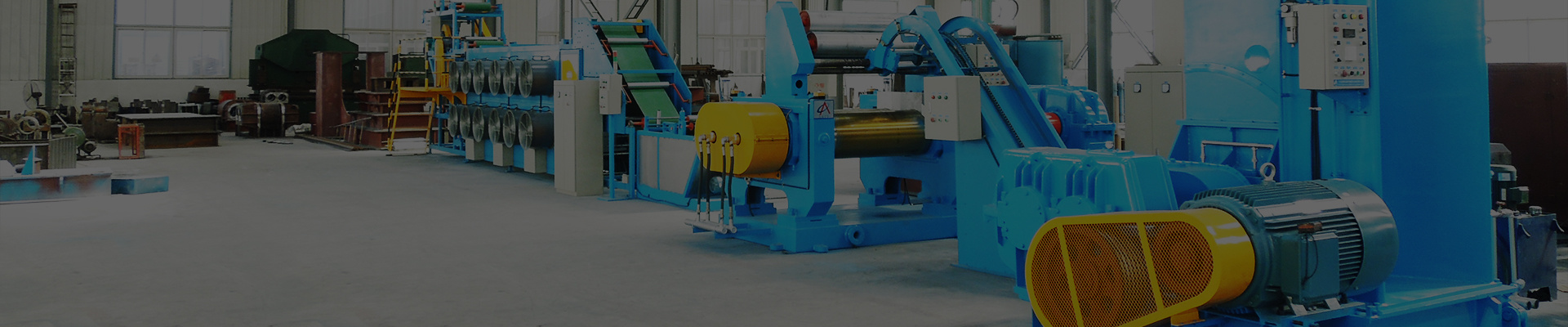
Are Rubber Mixing Machines Essential Tools for Quality Production
Time of issue:
2024-08-29
Rubber mixing machines are vital equipment in the rubber processing industry, specifically designed to blend raw rubber materials and additives into a homogeneous mixture, essential for producing high-quality rubber products. These machines facilitate the combination of various components such as fillers, antioxidants, and processing oils, ensuring that the final product meets the necessary perfor
Rubber mixing machines are vital equipment in the rubber processing industry, specifically designed to blend raw rubber materials and additives into a homogeneous mixture, essential for producing high-quality rubber products. These machines facilitate the combination of various components such as fillers, antioxidants, and processing oils, ensuring that the final product meets the necessary performance and durability standards.
The primary function of a rubber mixing machine is to achieve a thorough and uniform dispersion of materials. This process is critical as it directly influences the physical and chemical properties of the rubber. A well-mixed compound will exhibit improved mechanical strength, elasticity, and resistance to wear and tear. Inadequate mixing can lead to inconsistencies in the final product, which might result in poor performance or premature failure.
Rubber mixing machines come in various types, including internal mixers and open mills. Internal mixers, such as Banbury mixers, are commonly used for their efficiency in mixing large volumes of material. They operate by employing rotors inside a closed chamber, allowing for intense mixing under controlled temperatures and pressures. Open mills, on the other hand, involve mechanically rolling the rubber on a pair of rotating cylinders. This method is typically used for smaller batches or specific applications where precise control over the mixing process is required.
When selecting a rubber mixing machine, it is important to consider factors such as the type of rubber being processed, the specific additives required, and the desired output capacity. Additionally, modern machines often come equipped with advanced features like temperature control systems, automated feeding mechanisms, and real-time monitoring capabilities. These enhancements contribute to greater efficiency, reduced waste, and improved safety during the mixing process.
Incorporating new technologies into rubber mixing machines has opened the door to innovations that enhance product quality and operational efficiency. For instance, incorporating computer-controlled systems allows for precise adjustments during the mixing process, ensuring consistent results across production batches. Furthermore, energy-efficient designs are increasingly being developed to minimize power consumption, aligning with global sustainability efforts.
In conclusion, rubber mixing machines play a crucial role in the rubber processing industry by ensuring that the raw materials are blended effectively to produce high-quality rubber products. Understanding the functionality, types, and technological advancements related to these machines can significantly improve production outcomes and contribute to the overall quality of the rubber products manufactured. As the industry evolves, staying informed about the latest advancements in rubber mixing technology will be essential for professionals aiming to enhance their production processes.
Relevant Information
The Second Day of the Shanghai Exhibition
2025-09-18
The second day of the Greater Bay Area Expo
2025-05-16

ADD
Room 3718,No.9-1.Haifu Road,Dalian Free Trade Zone,China(Liaoning)Free Trade Pilot Area
PRODUCTS