



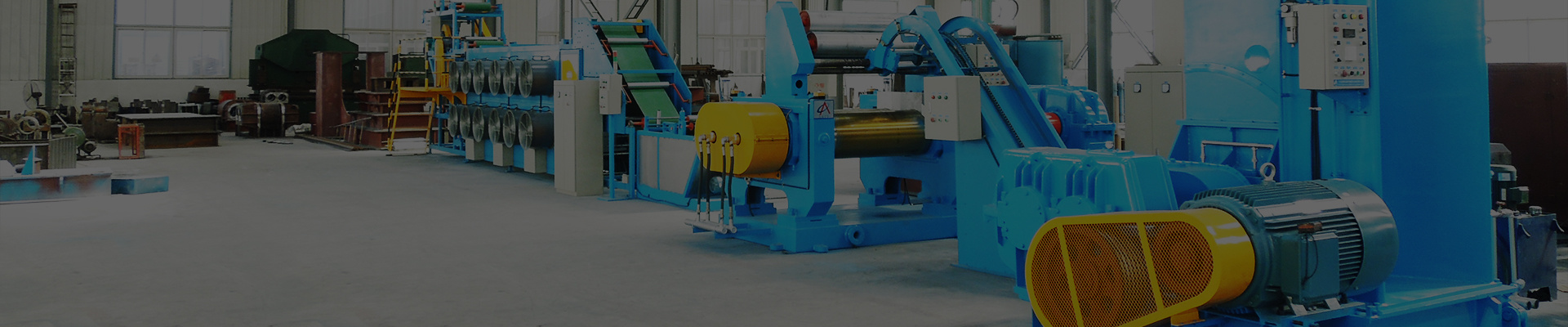
The Art of Balancing Speed and Precision in Rubber Molding
Time of issue:
2024-08-30
Rubber molding machine plays a crucial role in the chemical and rubber processing industry. It involves shaping rubber materials into products that meet specific requirements and tolerances
Rubber molding machine plays a crucial role in the chemical and rubber processing industry. It involves shaping rubber materials into products that meet specific requirements and tolerances. The process not only demands high-quality output but also the need for rapid production to keep up with market demand. Striking the right balance between speed and precision is essential for manufacturers aiming to enhance their competitiveness.
Understanding the Importance of Speed and Precision
When discussing rubber molding, two primary factors come into play: speed and precision. Both aspects serve critical functions in the overall manufacturing process.
What Does Speed Mean in Rubber Molding?
In the context of rubber molding, speed refers to the time taken to complete a molding cycle. Fast production times can significantly reduce costs and increase output, making it an attractive proposition for manufacturers. However, prioritizing speed can lead to compromises in product quality if not managed properly.
Why Precision is Key in Rubber Molding
Precision ensures that the molded parts meet the desired specifications and tolerances. In industries like automotive, aerospace, and medical, even the slightest deviation can result in failures or defects. Therefore, achieving high precision is non-negotiable for maintaining quality standards.
Balancing Speed and Precision
Striking a balance between speed and precision is vital. Too much emphasis on speed can lead to defects, while focusing solely on precision may result in longer production times. Successful manufacturers adopt strategies that optimize both aspects to enhance efficiency and quality.
Advanced Technologies in Rubber Molding
The advent of state-of-the-art machinery and technologies has revolutionized the rubber molding process. Incorporating these advancements can significantly improve the speed and precision of rubber products.
Automated Rubber Molding Machines
Automated machines are designed to increase production rates while ensuring consistent quality. These machines utilize advanced software to monitor and control the molding process, reducing human error and speeding up production cycles.
Injection Molding vs. Compression Molding
Different molding techniques offer varying benefits in terms of speed and precision. Injection molding is known for its speed and ability to produce complex shapes with high precision. On the other hand, compression molding may be slower but allows for better material properties and is often used for larger parts.
Smart Monitoring Systems
Employing smart monitoring systems can optimize the production process. These systems provide real-time data on various parameters, enabling quick adjustments that enhance both speed and precision.
Best Practices for Balancing Speed and Precision in Rubber Molding
To achieve optimal results, manufacturers must implement best practices that focus on both speed and precision during the molding process.
Regular Maintenance of Equipment
Consistent maintenance of molding machines ensures they operate at peak performance. This reduces the risk of defects and downtime, ultimately allowing for faster production times without sacrificing quality.
Employee Training and Skill Development
Investing in training programs for employees is crucial. A skilled workforce can operate machinery more effectively, make informed decisions, and quickly identify issues, thereby improving both speed and precision in production.
Utilizing High-Quality Raw Materials
The quality of raw materials directly impacts the final product. Using high-quality rubber compounds can lead to improved molding outcomes, enhancing both speed and precision.
Case Studies: Successful Implementation in the Industry
Examining real-life examples provides insight into how various companies have successfully balanced speed and precision in their rubber molding processes.
Case Study 1: Automotive Industry
An automotive manufacturer implemented advanced injection molding technologies that allowed them to reduce cycle times by 30% while maintaining strict quality controls. This case exemplifies how investment in technology can yield significant benefits.
Case Study 2: Medical Devices
A medical device company focused on precision by incorporating rigorous quality checks at every stage of production. As a result, they achieved a 95% reduction in defects, although their production speed was slightly slower than competitors. This highlights the importance of prioritizing precision, particularly in sensitive applications.
Lessons Learned from Case Studies
Successful companies demonstrate that the right combination of technology, skilled labor, and material selection plays a pivotal role in optimizing both speed and precision in rubber molding.
Future Trends in Rubber Molding
The rubber molding industry continues to evolve, driven by advancements in technology and the increasing demand for efficiency. Future trends may include:
Integration of AI and Machine Learning
Artificial intelligence and machine learning are set to revolutionize the rubber molding process by enabling predictive maintenance and real-time adjustments. This will enhance both speed and precision significantly.
Sustainable Practices in Rubber Molding
As sustainability becomes more important, manufacturers will need to adopt eco-friendly practices. This may include using sustainable materials and optimizing production processes to reduce waste while maintaining efficiency.
The Role of Industry 4.0
The shift towards Industry 4.0 will further integrate advanced technologies in rubber molding, allowing for smarter factories that optimize both speed and accuracy.
The art of balancing speed and precision in rubber molding is essential for success in the chemical and rubber processing industry. By leveraging advanced technologies, adhering to best practices, and continuously monitoring both speed and precision, manufacturers can achieve optimal results. As the industry evolves, staying ahead with innovative solutions and a focus on quality will ensure a competitive edge in the marketplace. Embracing this balance will not only enhance productivity but also lead to superior product quality, ultimately benefiting both manufacturers and consumers alike.
Relevant Information
The Second Day of the Shanghai Exhibition
2025-09-18
The second day of the Greater Bay Area Expo
2025-05-16

ADD
Room 3718,No.9-1.Haifu Road,Dalian Free Trade Zone,China(Liaoning)Free Trade Pilot Area
PRODUCTS