



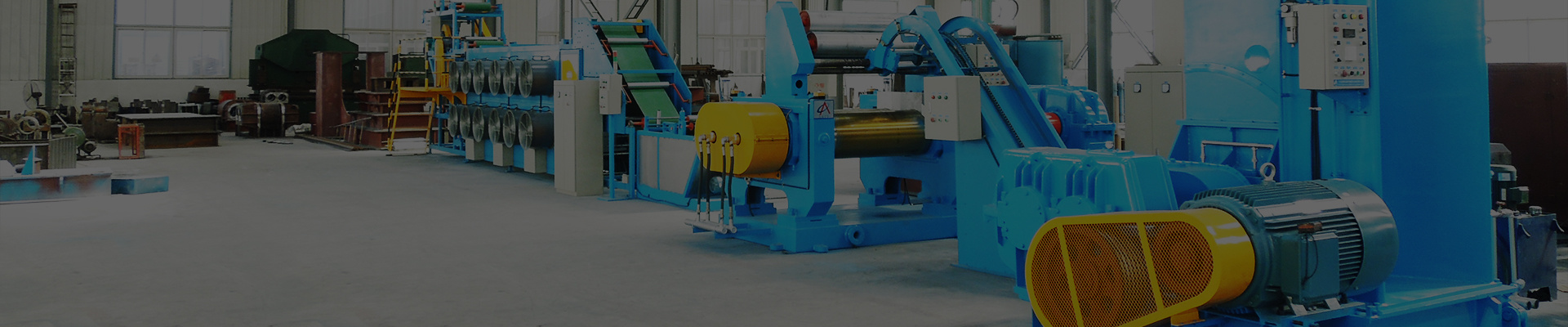
How a Rubber Crushing Mill Can Transform Your Manufacturing Process
Time of issue:
2024-09-05
How a Rubber Crushing Mill Can Transform Your Manufacturing Process Table of Contents Introduction to Rubber Crushing Mills The Importance of Efficient Rubber Processing How Rubber Crushing Mills Operate Key Benefits of Using a Rubber Crushing Mill Applications of Rubber Crushing Mills in Manufacturing Choosing the Right Rubber Crushing Mill for Your Needs Maintenance
Rubber crushing mills are essential components in the manufacturing of recycled rubber products. These machines break down large rubber materials into smaller pieces, preparing them for further processing. The efficiency of a rubber-crushing mill can significantly impact the overall production cycle, making it a vital investment for any rubber manufacturer.
The Importance of Efficient Rubber Processing
In the modern manufacturing landscape, efficiency is paramount. As demand for recycled materials increases, companies must optimize processes to stay competitive. Rubber processing, specifically, requires precision and innovation to ensure that materials are effectively transformed into usable products. A rubber crushing mill not only aids in breaking down rubber but also enhances the quality of the final output by ensuring uniformity and consistency.
Environmental Impact of Rubber Processing
Sustainability has become a focal point in manufacturing. Integrating a **rubber crushing mill** can significantly reduce waste by enabling the recycling of scrap rubber. This practice not only minimizes landfill contributions but also conserves natural resources, aligning with environmental regulations and corporate social responsibility goals.
How Rubber Crushing Mills Operate
Rubber crushing mills typically utilize a combination of mechanical force and heat to break down rubber materials. Understanding the mechanics of these machines is crucial for manufacturers aiming to enhance their production process.
Components of a Rubber Crushing Mill
1. **Rotors**: These are the primary components that rotate to crush the rubber.
2. **Screens**: They ensure the resulting particles meet specific size requirements.
3. **Feeders**: They regulate the amount of rubber fed into the mill for processing.
The Crushing Process
The crushing process generally involves the following steps:
- **Feeding**: Rubber materials are introduced into the mill via a feeder.
- **Crushing**: The rotors apply pressure and shear forces to break down the rubber.
- **Separation**: The crushed material is screened to ensure uniform particle size.
- **Discharge**: The final product is discharged for further processing or packaging.
Key Benefits of Using a Rubber Crushing Mill
Integrating a **rubber crushing mill** into your manufacturing process brings multiple advantages:
1. Enhanced Efficiency
A rubber crushing mill streamlines the process of breaking down rubber, allowing for quicker turnaround times in production. This efficiency can lead to higher output and reduced operational costs.
2. Improved Product Quality
By achieving a consistent particle size and texture, manufacturers can ensure that the final products meet quality standards. This consistency is crucial for applications that demand high-performance materials.
3. Cost-Effectiveness
Investing in a rubber crushing mill can reduce costs associated with waste disposal and raw material procurement. Recycled rubber can often be sourced at lower prices, leading to significant savings.
4. Versatility in Processing
Rubber crushing mills can process various types of rubber materials, including tires, sheets, and molded components. This adaptability allows manufacturers to diversify their product offerings.
5. Contribution to Sustainability
Recycling rubber not only benefits the environment but also enhances a company's reputation. Consumers increasingly prefer products that are sustainably sourced, making it a worthwhile investment.
Applications of Rubber Crushing Mills in Manufacturing
Rubber crushing mills have a wide range of applications across various industries:
1. Tire Recycling
The tire recycling industry utilizes rubber crushing mills to process end-of-life tires. The resulting crumb rubber can be used in asphalt, playground surfaces, and various rubber products.
2. Construction Materials
Crushed rubber can be blended with other materials to create lightweight concrete and insulation products. This blend enhances the performance and durability of construction materials.
3. Automotive Parts Manufacturing
Manufacturers of automotive parts use recycled rubber for gaskets, seals, and bumpers, capitalizing on the material’s durability and resilience.
4. Sports Surfaces
Rubber from crushed tires is often used in the production of sports surfaces such as tracks, fields, and playgrounds, providing a safe and durable option for athletes.
Choosing the Right Rubber Crushing Mill for Your Needs
Selecting the appropriate rubber crushing mill requires careful consideration of various factors:
1. Size and Capacity
Evaluate the volume of rubber you intend to process. Choose a mill that can handle your production requirements without compromising efficiency.
2. Type of Rubber
Different mills are designed for specific types of rubber. Ensure the mill you choose can effectively process the materials you work with.
3. Cost and Budget
While investing in a high-quality rubber crushing mill is crucial, it’s essential to find a balance between cost and functionality. Analyze the total cost of ownership, including maintenance and operational costs.
4. Manufacturer Support and Warranty
Choose a supplier that offers robust customer support and warranty options. This reliability can save you time and money in the long run.
Maintenance Tips for Longevity and Performance
To ensure your rubber crushing mill operates efficiently over time, regular maintenance is crucial:
1. Regular Inspections
Conduct periodic inspections of the mill’s components to identify wear and tear early.
2. Lubrication
Ensure that all moving parts are adequately lubricated to reduce friction and prevent premature wear.
3. Cleanliness
Keep the machine clean to prevent debris buildup, which can affect performance and lead to malfunctions.
4. Operator Training
Train operators on best practices for operating the mill, including loading techniques and monitoring output quality.
Future Innovations in Rubber Crushing Technology
The rubber processing industry is evolving, with advancements in technology driving improvements in efficiency and sustainability:
1. Automation
Automated rubber crushing mills can optimize processing times and reduce labor costs, allowing manufacturers to focus on other aspects of production.
2. Smart Monitoring Systems
Integrating smart technology into rubber mills can offer real-time monitoring of performance metrics, enabling predictive maintenance and reducing downtime.
3. Eco-Friendly Designs
New designs that prioritize eco-friendliness will likely gain traction. Innovations aimed at reducing energy consumption and emissions can enhance a company’s sustainability profile.
Frequently Asked Questions (FAQs)
1. What is a rubber crushing mill?
A rubber crushing mill is a machine designed to break down large rubber materials into smaller, more manageable pieces for further processing.
2. How does a rubber crushing mill improve manufacturing efficiency?
By streamlining the rubber processing cycle, a rubber crushing mill enhances output and reduces production times, leading to overall efficiency improvements.
3. What types of rubber can be processed in a rubber crushing mill?
Rubber crushing mills can process various rubber types, including tires, sheets, and molded components.
4. How can I maintain my rubber crushing mill?
Regular inspections, lubrication, cleanliness, and operator training are essential for maintaining a rubber crushing mill.
5. What are the environmental benefits of using a rubber crushing mill?
Using a rubber crushing mill allows for the recycling of rubber, reducing waste and conserving natural resources, thus contributing to environmental sustainability.
Conclusion
Investing in a rubber crushing mill can significantly enhance your manufacturing process, offering improved efficiency, product quality, and sustainability. By understanding the operation, benefits, and applications of these mills, manufacturers can make informed decisions that align with their production goals. As the industry continues to evolve, staying ahead of innovations in rubber processing technology will further solidify your competitive advantage in the market.
Relevant Information
The Second Day of the Shanghai Exhibition
2025-09-18
The second day of the Greater Bay Area Expo
2025-05-16

ADD
Room 3718,No.9-1.Haifu Road,Dalian Free Trade Zone,China(Liaoning)Free Trade Pilot Area
PRODUCTS