



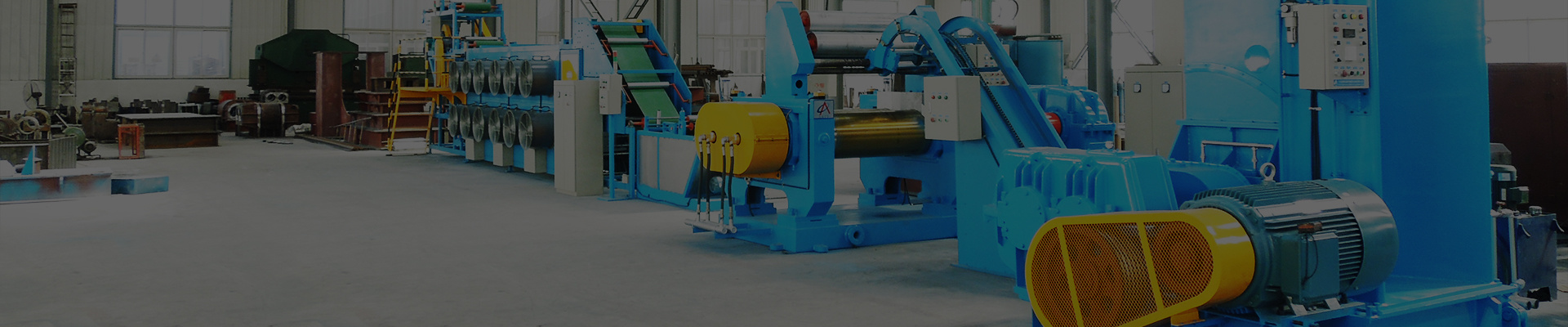
Innovations in Rubber Press Machine Technology Driving Progress
Time of issue:
2024-09-03
Innovations in rubber press machine technology are driving significant progress in the rubber processing industry
Rubber press machines, also known as rubber calenders or rubber molding machines, play a crucial role in the manufacturing process of rubber products. These machines apply heat and pressure to transform raw rubber into usable forms, allowing for the production of everything from tires to seals. The efficiency and effectiveness of these machines significantly affect the overall productivity and quality of rubber goods.
Historical Evolution of Rubber Press Machines
The journey of rubber press machine technology began in the early 19th century with the invention of vulcanization, a process that enhances the elasticity and strength of rubber. Early machines were rudimentary and required significant manual labor. Over the years, advancements in mechanical engineering have led to the development of hydraulic and electric rubber press machines, which have dramatically improved production speeds and precision.
In recent times, digitalization plays a pivotal role in the evolution of rubber press machines. Manufacturers are increasingly integrating advanced control systems and IoT technologies, enabling real-time monitoring and adjustments during the manufacturing process.
Key Innovations in Rubber Press Machine Technology
Recent advancements in rubber press machine technology have focused on increasing efficiency and reducing the ecological footprint of rubber production. Some notable innovations include:
1. Smart Control Systems
Modern rubber press machines are equipped with smart control systems that leverage artificial intelligence and machine learning. These systems optimize the pressing parameters based on real-time data, ensuring consistent product quality while minimizing energy consumption.
2. Energy-Efficient Designs
Energy efficiency has become a focal point in the design of rubber press machines. New models incorporate energy-saving technologies, such as variable frequency drives (VFDs), which adjust the motor speed according to the load, significantly reducing electrical consumption.
3. Advanced Material Handling Systems
Innovations in material handling have streamlined the loading and unloading processes, reducing downtime. Automated systems can transport raw materials to the press and move finished products to storage, improving overall workflow efficiency.
Enhanced Efficiency through Automation
Automation in rubber press machines has not only reduced the reliance on manual labor but has also improved production rates. Automated rubber press machines can operate continuously, maintaining high output levels while ensuring consistent quality. This shift towards automation minimizes human error and allows for greater scalability in production.
Benefits of Automation
- Increased Production Speed: Automated systems can process more units in less time.
- Consistent Quality: Automation reduces variability in production, leading to higher product consistency.
- Reduced Labor Costs: Automation lessens the need for extensive manual staffing, leading to cost savings.
Sustainability Initiatives in Rubber Processing
With increasing environmental concerns, the rubber industry is undergoing significant changes to promote sustainability. Rubber press machine manufacturers are focusing on eco-friendly practices, such as:
1. Use of Recycled Materials
Innovative rubber press machines are now designed to incorporate recycled rubber, reducing waste and conserving resources. This approach not only minimizes the environmental impact but also lowers production costs.
2. Reduced Emissions
Modern rubber press machines are designed to operate with lower emissions. Advances in technology have resulted in machines that consume less energy and produce fewer greenhouse gases, aligning with global sustainability goals.
Quality Improvements in Rubber Products
Quality control remains a top priority in the rubber processing industry. Recent innovations in rubber press machines have enabled manufacturers to enhance product quality through:
1. Precise Temperature Control
Temperature control is critical in the curing process of rubber. The latest machines feature advanced heating systems that maintain precise temperature settings, ensuring optimal vulcanization and superior product performance.
2. Enhanced Monitoring Systems
Real-time monitoring systems track various parameters throughout the manufacturing process. This data-driven approach allows for immediate adjustments, reducing defects and improving overall product quality.
Future Trends in Rubber Press Machine Technology
As the rubber industry continues to evolve, several key trends are likely to shape the future of rubber press machine technology:
1. Increased Integration of IoT
The Internet of Things (IoT) is expected to play a significant role in the future of rubber press machines. By connecting machines to the cloud, manufacturers can access real-time data and analytics, enhancing predictive maintenance and optimizing production processes.
2. Adoption of Industry 4.0 Practices
Industry 4.0 principles, characterized by smart manufacturing and digital automation, will transform rubber processing. The integration of robotics and AI will further enhance efficiency and flexibility in production lines.
3. Focus on Customized Solutions
As customer demands become more diverse, the need for customized rubber products will rise. Future rubber press machines will be designed to accommodate various specifications and materials, offering tailored solutions to meet specific client needs.
Conclusion
Innovations in rubber press machine technology are driving significant progress in the rubber processing industry. From smart control systems to sustainable practices, these advancements enhance efficiency, improve quality, and reduce environmental impact. As we look to the future, the integration of IoT and Industry 4.0 principles promises to further revolutionize this essential sector, ensuring that rubber manufacturers remain competitive and responsive to market demands. By embracing these innovations, the rubber industry is not just keeping pace; it is leading the charge towards a more sustainable and efficient future.
Relevant Information
The Second Day of the Shanghai Exhibition
2025-09-18
The second day of the Greater Bay Area Expo
2025-05-16

ADD
Room 3718,No.9-1.Haifu Road,Dalian Free Trade Zone,China(Liaoning)Free Trade Pilot Area
PRODUCTS