



The Impact of Rubber Mulch Machines on Environmental Conservation
Time of issue:
2024-09-01
The Impact of Rubber Mulch Machines on Environmental Conservation Table of Contents Introduction to Rubber Mulch Machines What is Rubber Mulch? Benefits of Using Rubber Mulch The Role of Rubber Mulch Machines in Production Environmental Impact of Rubber Mulch Applications of Rubber Mulch in Various Environments The Future of Rubber Mulch Machines and Eco-Friendly Pract
The rubber mulch machine is made from recycled rubber materials, typically sourced from used tires. This **innovative product** serves as an alternative to traditional mulch options like wood chips and straw. Rubber mulch is renowned for its durability, longevity, and eco-friendly properties. Unlike organic mulches, rubber mulch does not decompose, making it a sustainable choice for various landscaping needs.
Composition and Properties of Rubber Mulch
Rubber mulch is composed of shredded rubber particles, which are processed and graded for consistency. Its **unique properties** include:
- **Water Retention:** Rubber mulch helps retain soil moisture, reducing the need for frequent watering.
- **Weed Suppression:** The dense layer of rubber inhibits weed growth, minimizing garden maintenance.
- **Impact Absorption:** Rubber mulch provides a soft landing surface, making it ideal for playgrounds and recreational areas.
Benefits of Using Rubber Mulch
The use of rubber mulch offers numerous advantages that make it an attractive solution for environmental conservation and landscaping.
Durability and Longevity
One of the standout features of rubber mulch is its durability. Unlike organic materials, rubber mulch can last for years without breaking down. This longevity reduces the need for frequent replacements, contributing to lower resource consumption over time.
Environmental Benefits
Utilizing recycled rubber not only keeps waste out of landfills but also promotes a circular economy. The **environmental benefits** of rubber mulch include:
- **Reduced Landfill Waste:** Using scrap tires helps mitigate the growing issue of tire waste.
- **Lower Carbon Footprint:** The production of rubber mulch requires less energy compared to manufacturing traditional mulch options.
Cost-Effectiveness
Although the initial investment in rubber mulch may be higher than traditional options, its durability and reduced maintenance needs lead to cost savings in the long run. Homeowners and businesses can enjoy a visually appealing landscape without the ongoing expenses of replenishing organic mulch.
The Role of Rubber Mulch Machines in Production
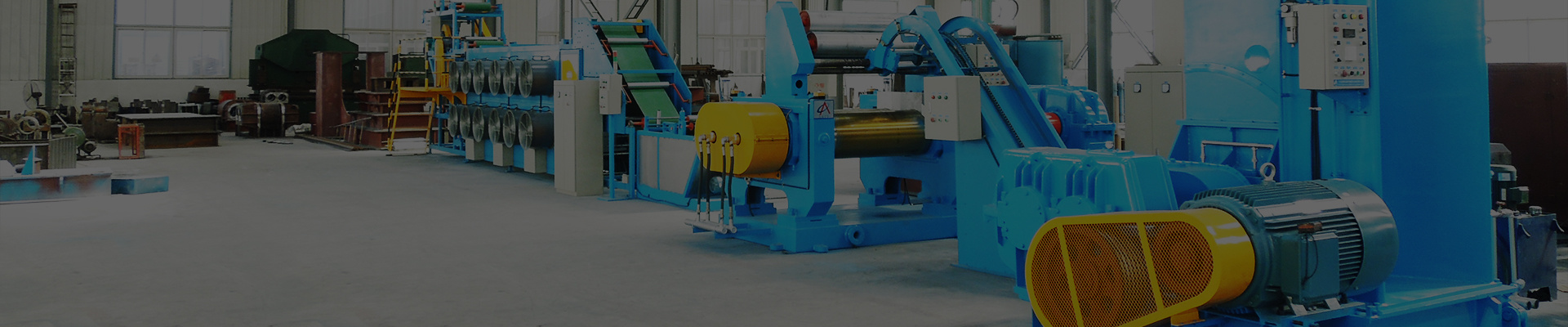
Rubber mulch machines are specialized equipment designed to shred, clean, and process used tires into mulch. These machines streamline the manufacturing process, enabling efficient production while ensuring that the end product meets quality standards.
Types of Rubber Mulch Machines
Various types of machinery are employed in the production of rubber mulch, including:
- **Shredders:** These machines reduce tires into smaller pieces, facilitating further processing.
- **Granulators:** Granulators produce finer rubber particles, allowing for different mulch textures.
- **Separation Units:** These units remove contaminants, ensuring that the final product is clean and safe for use in landscaping.
Technological Advancements
Recent technological advancements have significantly enhanced the efficiency and effectiveness of rubber mulch machines. Innovations include:
- **Automated Processes:** Automation reduces human error and increases production speed.
- **Energy Efficiency:** Modern machines are designed to consume less power, further minimizing environmental impact.
Environmental Impact of Rubber Mulch
The environmental implications of rubber mulch extend beyond its production. Understanding these effects is crucial for evaluating its overall contribution to conservation efforts.
Soil Health and Ecosystem Benefits
Rubber mulch contributes positively to soil health. By retaining moisture and providing insulation, it creates an ideal environment for beneficial microorganisms. This enhancement of soil quality supports healthier plant growth, which is vital for biodiversity.
Preventing Soil Erosion
One of the significant environmental challenges is soil erosion, which can result in loss of fertile land. Rubber mulch, when applied effectively, helps stabilize soil surfaces, reducing erosion caused by wind and water. This feature is particularly beneficial in agricultural settings and areas prone to runoff.
Applications of Rubber Mulch in Various Environments
Rubber mulch finds applications in a variety of settings, showcasing its versatility and effectiveness.
Landscaping and Gardening
In residential and commercial landscaping, rubber mulch is increasingly used for flower beds, pathways, and decorative features. Its aesthetic appeal, combined with its functional benefits, makes it a popular choice among landscapers and homeowners.
Playgrounds and Recreational Areas
Safety is paramount in playground design. Rubber mulch provides a safe, cushioned surface that reduces the risk of injuries from falls. Many cities and institutions are adopting rubber mulch for playgrounds, recognizing its ability to enhance safety without compromising environmental integrity.
Agricultural Uses
Farmers are beginning to incorporate rubber mulch in their practices. Its ability to retain moisture and suppress weeds can lead to improved crop yields. Additionally, rubber mulch can be used in tree farms and for landscaping in agricultural settings, providing dual benefits of aesthetics and functionality.
The Future of Rubber Mulch Machines and Eco-Friendly Practices
As the demand for sustainable landscaping solutions grows, the future of rubber mulch machines looks promising. Innovations in machinery and processing techniques will likely enhance the efficiency and quality of rubber mulch production.
Integration with Other Eco-Friendly Practices
The integration of rubber mulch machines with other eco-friendly practices, such as organic farming and sustainable landscaping, will foster a holistic approach to environmental conservation. This synergy can lead to more significant advancements in reducing waste and promoting sustainable land use.
Legislation and Industry Standards
As awareness of environmental issues increases, we can expect more stringent regulations governing waste management and recycling practices. These regulations could drive the rubber mulch industry towards stricter adherence to sustainability standards, further enhancing its role in environmental conservation.
Conclusion
The impact of rubber mulch machines on environmental conservation is profound and multifaceted. By transforming waste materials into a sustainable product, these machines not only support landscaping needs but also contribute to broader ecological goals. As we continue to innovate and embrace eco-friendly practices, rubber mulch will play an increasingly vital role in our efforts to create a greener, more sustainable future.
Relevant Information
The Second Day of the Shanghai Exhibition
2025-09-18
The second day of the Greater Bay Area Expo
2025-05-16

ADD
Room 3718,No.9-1.Haifu Road,Dalian Free Trade Zone,China(Liaoning)Free Trade Pilot Area
PRODUCTS