



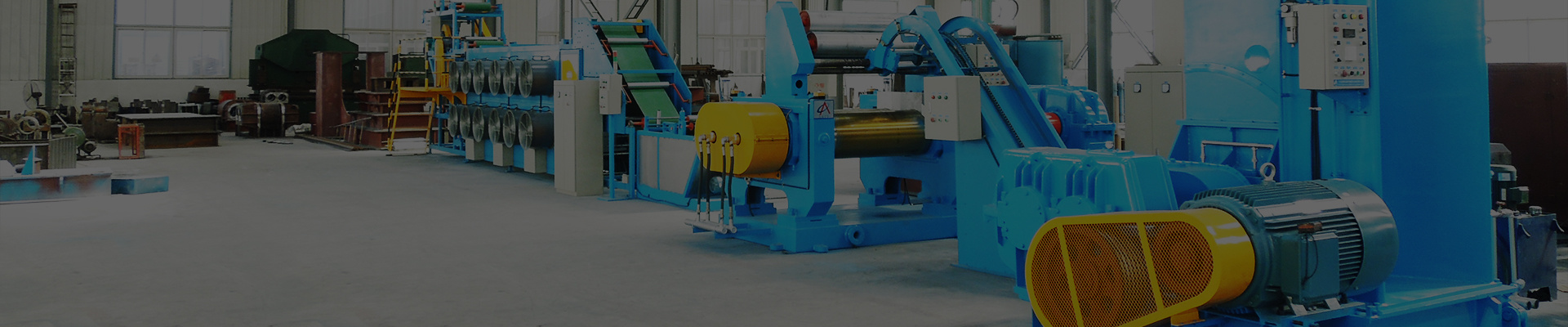
A Comprehensive Guide of Rubber Moulding Machines
Time of issue:
2024-08-31
Understanding the intricacies of rubber moulding machines can significantly benefit professionals in the rubber processing industryThere are several types of rubber moulding processes, each designed to cater
Rubber moulding machines play a vital role in the rubber processing industry, enabling the production of rubber products with precision and efficiency. These machines use heat and pressure to shape raw rubber into specific forms, making them integral to various applications, from automotive components to consumer goods.
There are several types of rubber molding processes, each designed to cater to different product requirements. The most common methods include compression molding, transfer moulding, and injection molding. Compression moulding involves placing rubber material into a heated mould, where it is then compressed to take its shape. This method is particularly effective for producing larger items and allows for the use of various rubber compounds.
Transfer moulding is similar but involves transferring the rubber from a separate chamber into the mould, offering better control over the material flow and reducing waste. On the other hand, injection moulding is a more modern approach, where the rubber is heated until it becomes fluid and then injected into the mould under high pressure. This method is ideal for producing intricate designs and smaller parts with greater accuracy and repeatability.
The choice between these moulding techniques largely depends on the specific requirements of the intended product, including size, complexity, and production volume. For instance, injection moulding is typically favored for high-volume production runs due to its efficiency and ability to create detailed shapes, while compression moulding might be chosen for custom or lower-volume projects.
In addition to the moulding process, rubber moulding machines are equipped with various technologies that enhance their performance. Features such as temperature control systems, automated feeding mechanisms, and programmable logic controllers (PLCs) contribute to improved operational efficiency and consistency in production. These advancements also facilitate better integration with other manufacturing processes, ensuring a seamless workflow in the production line.
Safety is another critical aspect of rubber moulding machine operation. Proper training and adherence to safety protocols are essential to minimize risks and ensure a safe working environment. Regular maintenance of the equipment is equally important to prevent breakdowns and prolong the lifespan of the machinery.
Understanding the intricacies of rubber moulding machines can significantly benefit professionals in the rubber processing industry. By leveraging the right technology and processes, companies can enhance their productivity and maintain a competitive edge in the market. As industries continue to evolve, staying informed about advancements in rubber moulding technology is crucial for achieving operational excellence and meeting the growing demands of customers.
Relevant Information
The Second Day of the Shanghai Exhibition
2025-09-18
The second day of the Greater Bay Area Expo
2025-05-16

ADD
Room 3718,No.9-1.Haifu Road,Dalian Free Trade Zone,China(Liaoning)Free Trade Pilot Area
PRODUCTS