



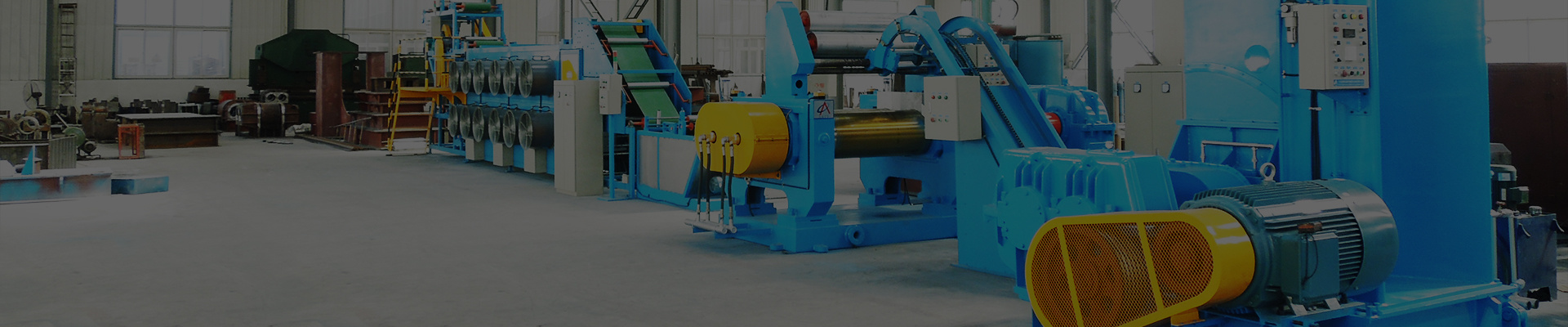
A Comprehensive Guide to the PS Foam Sheet Extrusion Process: Step-by-Step Insights
Time of issue:
2024-08-19
A Step-by-Step Walkthrough of the PS Foam Sheet Extrusion Process PS foam sheets are widely used in various industries due to their lightweight, insulation properties, and versatility. This guide will provide a detailed exploration of the PS foam sheet extrusion process, ensuring you understand each step involved in producing high-quality foam sheets. Understanding PS Foam and Its Applications Bef
A Step-by-Step Walkthrough of the PS Foam Sheet Extrusion Process
PS foam sheets are widely used in various industries due to their lightweight, insulation properties, and versatility. This guide will provide a detailed exploration of the PS foam sheet extrusion process, ensuring you understand each step involved in producing high-quality foam sheets.
Understanding PS Foam and Its Applications
Before diving into the extrusion process, it is essential to understand what PS foam is. Polystyrene (PS) foam, commonly used in packaging, construction, and insulation, is prized for its thermal insulation properties and resistance to moisture. Its lightweight nature makes it an excellent choice for applications where weight is a critical factor.
Key Applications of PS Foam Sheets
- **Packaging Material:** PS foam sheets serve as protective packaging, safeguarding fragile items during transit.
- **Insulation:** These sheets are used for thermal insulation in buildings, contributing to energy efficiency.
- **Food Industry:** PS foam is commonly utilized for food containers and trays due to its food-safe properties.
- **Craft and DIY Projects:** Many hobbyists use PS foam for model-making and various crafts due to its ease of manipulation.
The Importance of the Extrusion Process in Manufacturing PS Foam Sheets
The extrusion process is a critical method of manufacturing PS foam sheets. It ensures that the sheets have uniform thickness, density, and surface quality. Understanding the stages of this process is vital for manufacturers aiming to produce high-quality foam sheets efficiently.
What is Extrusion?
Extrusion is a manufacturing process where materials are pushed through a die to create objects with a fixed cross-sectional profile. In the case of PS foam sheets, the process involves melting polystyrene pellets and shaping them into sheets.
Essential Machinery and Equipment for PS Foam Sheet Extrusion
Producing PS foam sheets requires specific machinery. Understanding this equipment is crucial for optimizing the extrusion process.
Key Components of the Extrusion Line
1. **Extruder:** The extruder is the heart of the operation, melting the polystyrene and forcing it through the die.
2. **Die:** The die determines the shape and thickness of the foam sheet. Custom dies can be designed to meet specific requirements.
3. **Chiller:** This equipment cools the extruded sheet to stabilize its form and properties.
4. **Cutting Machine:** Once cooled, the sheets are cut to the desired length and width.
5. **Conveyor System:** A conveyor system transports the sheets through the various stages of production.
The Step-by-Step PS Foam Sheet Extrusion Process
Now that we understand the machinery and applications, let’s explore the detailed step-by-step process involved in PS foam sheet extrusion.
Step 1: Material Preparation
The process begins with selecting high-quality polystyrene pellets. These pellets must be free from impurities to ensure the final product's quality. The selected pellets are then dried to remove any moisture content, which is crucial as it can compromise the extrusion process.
Step 2: Melting the Polystyrene
Once prepared, the dried polystyrene pellets are fed into the extruder. The extruder consists of a barrel that contains a screw, which facilitates the melting process. The screw rotates, applying heat and pressure to the pellets, converting them into a molten state.
Step 3: Foam Expansion
To create foam, a blowing agent is introduced into the molten polystyrene. This blowing agent, often a gas like pentane or carbon dioxide, expands when heated, creating bubbles within the molten material. The expansion process is critical for achieving the desired foam density and thickness.
Step 4: Shaping the Foam Sheet
As the molten polystyrene exits the extruder, it passes through the die, which shapes it into a continuous sheet. The die can be adjusted to produce sheets of varying thicknesses, depending on the product specifications.
Step 5: Cooling the Extruded Sheet
After passing through the die, the newly formed foam sheet must be cooled to maintain its shape and prevent deformation. This is typically done using a chiller, which circulates cold water around the sheet. Rapid cooling is essential to stabilize the cellular structure of the foam.
Step 6: Cutting and Finishing
Once cooled, the PS foam sheet is cut into manageable sizes using a cutting machine. These sheets can then be trimmed or further processed, depending on the end use. Quality control checks are performed at this stage to ensure the sheets meet the required specifications.
Quality Control in the PS Foam Sheet Extrusion Process
Quality control is an integral part of the PS foam sheet extrusion process. Ensuring that the final product meets industry standards is crucial for maintaining customer satisfaction and minimizing waste.
Key Quality Control Measures
- **Material Inspection:** Regular inspection of raw materials ensures that only the best polystyrene pellets are used.
- **Extrusion Monitoring:** Continuous monitoring of the extrusion process helps identify any deviations from standard operating procedures.
- **Dimensional Checks:** Regular checks for thickness and width ensure that the sheets meet specifications.
- **Physical Testing:** Conducting tests for tensile strength, thermal insulation properties, and moisture resistance is essential for ensuring product performance.
Optimizing the PS Foam Sheet Extrusion Process
To enhance efficiency and reduce costs, manufacturers can implement various optimization techniques in the PS foam sheet extrusion process.
Techniques for Process Optimization
1. **Adjusting Processing Parameters:** Fine-tuning parameters such as temperature, pressure, and cooling time can significantly improve product quality.
2. **Regular Maintenance of Equipment:** Regular maintenance ensures that machinery operates at peak efficiency, reducing downtime.
3. **Employee Training:** Training operators in best practices can lead to fewer errors and improved productivity.
4. **Implementing Automation:** Using automated systems can help streamline the process, reduce labor costs, and improve consistency.
The Future of PS Foam Sheet Extrusion
As industries evolve, so do the technologies and methods used in manufacturing PS foam sheets. Innovative practices and materials are constantly being developed to meet changing market demands and sustainability goals.
Emerging Trends in PS Foam Production
- **Biodegradable Alternatives:** Research is ongoing into developing biodegradable foam alternatives to reduce environmental impact.
- **Enhanced Insulation Materials:** Innovations in foam formulations offer improved thermal properties, making them even more effective for insulation applications.
- **Smart Manufacturing:** The integration of AI and IoT in extrusion processes is paving the way for smarter, more efficient production methods.
FAQs about the PS Foam Sheet Extrusion Process
1. What types of polystyrene are used for foam sheet extrusion?
The most common types of polystyrene used are general-purpose polystyrene (GPPS) and high-impact polystyrene (HIPS), with HIPS offering enhanced durability.
2. How does the choice of blowing agent affect the foam quality?
The blowing agent impacts the density, cell structure, and overall thermal properties of the foam. Selecting the right blowing agent is crucial for achieving desired specifications.
3. What are the environmental considerations of PS foam production?
Environmental concerns primarily revolve around the disposal and recyclability of PS foam. Innovations are being developed to create more sustainable materials and processes.
4. Can PS foam sheets be recycled?
Yes, PS foam can be recycled, although the recycling process is not as widespread as other materials. Efforts are underway to improve recycling methods for PS foam.
5. What are the common defects in extruded PS foam sheets?
Common defects include uneven thickness, surface blemishes, and variations in density, often resulting from improper processing parameters or equipment malfunctions.
Conclusion
The PS foam sheet extrusion process is a highly technical and intricate operation that requires careful attention to detail at every stage. From material selection and machinery operation to quality control and innovations in production, understanding each aspect is essential for manufacturers aiming to produce high-quality foam sheets that meet market demands. By implementing best practices and staying abreast of emerging trends, companies can enhance their production efficiency and product quality, ensuring they remain competitive in the ever-evolving manufacturing landscape.
Relevant Information
The Second Day of the Shanghai Exhibition
2025-09-18
The second day of the Greater Bay Area Expo
2025-05-16

ADD
Room 3718,No.9-1.Haifu Road,Dalian Free Trade Zone,China(Liaoning)Free Trade Pilot Area
PRODUCTS