



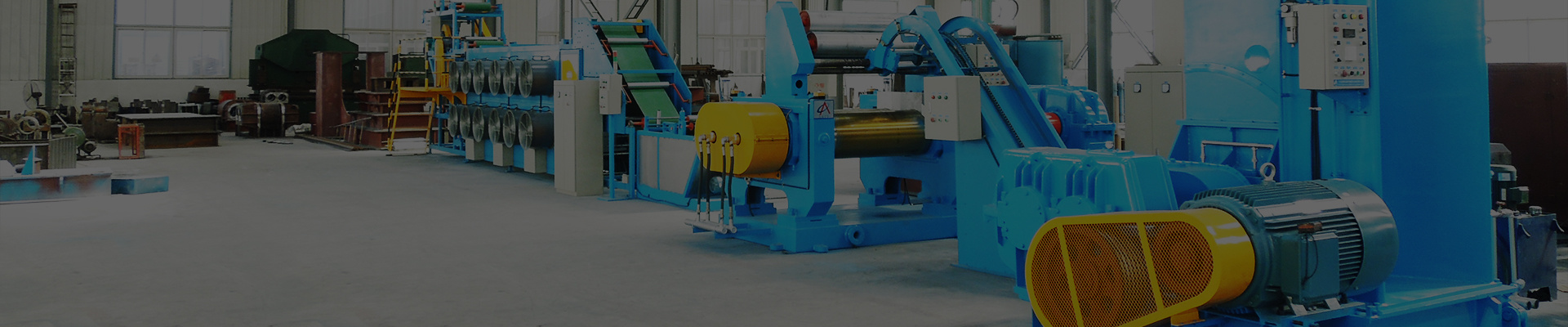
Troubleshooting Common Issues with Sheet Extruder Machines
Time of issue:
2024-08-20
Troubleshooting Common Issues with Sheet Extruder Machines Table of Contents Introduction to Sheet Extruder Machines Understanding the Extrusion Process Common Issues in Sheet Extruders Identifying and Diagnosing Issues Troubleshooting Techniques for Sheet Extruders Preventive Maintenance Tips Conclusion FAQs about Sheet Extruders Introduction to Sheet Extruder Machines
Troubleshooting Common Issues with Sheet Extruder Machines
Table of Contents
- Introduction to Sheet Extruder Machines
- Understanding the Extrusion Process
- Common Issues in Sheet Extruders
- Identifying and Diagnosing Issues
- Troubleshooting Techniques for Sheet Extruders
- Preventive Maintenance Tips
- Conclusion
- FAQs about Sheet Extruders
Introduction to Sheet Extruder Machines
Sheet extruder machines play a vital role in the plastic manufacturing industry, allowing companies to create sheets of various thicknesses and widths for diverse applications. These machines operate by melting plastic resin and forcing it through a die to produce a continuous sheet. While they are essential for high production efficiency, operators often encounter common issues that can hinder performance. This article aims to provide a detailed troubleshooting guide to help operators swiftly identify and resolve these challenges.
Understanding the Extrusion Process
To effectively troubleshoot sheet extruder machines, it's crucial to understand how the extrusion process works. The process typically involves the following steps:
1. **Material Feeding**: Plastic pellets are fed into the extruder's hopper.
2. **Melting Process**: The pellets are heated as they move through a barrel, where they melt into a viscous state.
3. **Molding**: The melted plastic is forced through a die, shaping it into a flat sheet.
4. **Cooling**: The newly formed sheet is cooled and solidified.
5. **Cutting and Packaging**: The solid sheet is cut to the required length and packaged for distribution.
Understanding these steps allows operators to pinpoint where issues may arise during the process.
Common Issues in Sheet Extruders
Several issues may occur during the operation of sheet extruder machines. Recognizing these problems early is key to minimizing downtime and ensuring consistent production. Below are some of the most common issues:
1. Inconsistent Sheet Thickness
One of the most prevalent issues in sheet extrusion is inconsistent thickness, which can lead to product defects and increased waste.
2. Surface Defects
Surface defects, such as bubbles, burns, or streaks, can compromise the integrity and appearance of the finished product.
3. Melting Problems
Improper melting can result in poorly processed materials, leading to weak sheets that do not meet quality standards.
4. Feed Problems
Feed issues can arise from blockages or irregular feed rates, which can disrupt the continuous nature of the extrusion process.
5. Equipment Wear and Tear
Continuous operation can lead to wear and tear on critical components, impacting overall machine efficiency and productivity.
Identifying and Diagnosing Issues
Diagnosing issues in sheet extruder machines requires careful observation and analysis. Here are some steps to identify and diagnose common problems:
1. Monitor Production Metrics
Regularly monitor production metrics like sheet thickness, temperature, and feed rates. Sudden changes can indicate underlying issues.
2. Visual Inspection
Conduct regular visual inspections of the extruder and product. Look for signs of wear, unusual sounds, or visual defects in the extruded sheets.
3. Check Material Quality
Ensure that the raw materials used are of the right quality and free from contamination, as this can directly affect the extrusion process.
4. Use Diagnostic Tools
Employ diagnostic tools such as temperature probes and flow meters to gather data on machine performance and identify anomalies.
Troubleshooting Techniques for Sheet Extruders
Once issues have been identified, operators can utilize specific troubleshooting techniques to rectify them.
1. Adjusting Process Parameters
Modifying parameters such as temperature, pressure, and feed rate can often resolve issues like inconsistent sheet thickness or melting problems.
2. Cleaning and Maintenance
Regular cleaning of the extruder's barrel and die can prevent blockages and ensure smooth operation. Implement a maintenance schedule to replace worn components proactively.
3. Fine-Tuning the Die
Adjusting the die settings can help achieve the desired sheet thickness and minimize surface defects. Operators should regularly assess and fine-tune die alignment.
4. Reviewing Material Specifications
Ensure that the materials being used match the specifications required for the specific extrusion process. Poor-quality or incorrect materials can lead to significant production problems.
5. Operator Training
Ensure that all operators are adequately trained in the operation and troubleshooting of sheet extruder machines. Well-informed operators can quickly address issues as they arise, minimizing downtime.
Preventive Maintenance Tips
Preventive maintenance is crucial for maintaining optimal performance and preventing breakdowns. Here are some essential tips:
1. Regular Inspections
Schedule regular inspections of all machine components to catch wear and tear early.
2. Lubrication
Keep all moving parts well-lubricated to reduce friction and prevent overheating.
3. Calibration
Regularly calibrate temperature and pressure control systems to ensure they function correctly.
4. Software Updates
If your machine is equipped with computerized controls, ensure that software is updated regularly to maintain operational efficiency.
5. Supplier Relationships
Maintain strong relationships with raw material suppliers to ensure access to consistent and high-quality materials.
Conclusion
Efficiently troubleshooting common issues with sheet extruder machines is essential for maintaining high production standards and minimizing downtime. By understanding the extrusion process, recognizing potential problems, and employing effective troubleshooting and maintenance techniques, operators can enhance the performance and longevity of their machines. Implementing preventive measures will not only improve productivity but also ensure the production of high-quality sheets, meeting customer demands effectively.
FAQs about Sheet Extruders
1. What are the most common materials used in sheet extrusion?
Common materials include polyethylene, polypropylene, and polystyrene, which are favored for their processing characteristics and versatility.
2. How can I improve the efficiency of my sheet extruder?
Regular maintenance, accurate parameter settings, and proper training for operators can significantly enhance machine efficiency.
3. What should I do if I notice surface defects on the sheets?
Investigate the die settings, check material quality, and ensure that the extruder is clean to minimize defects.
4. How often should I conduct maintenance on my sheet extruder?
Implement a maintenance schedule based on usage, typically at least once a month, or more frequently for high-production environments.
5. Can temperature fluctuations affect the extrusion process?
Yes, temperature fluctuations can lead to inconsistent melting and affect sheet quality, so monitoring temperature is critical.
By following the guidelines and insights provided in this article, operators can effectively troubleshoot and maintain their sheet extruder machines, ensuring consistent production quality and operational efficiency.
Relevant Information
The Second Day of the Shanghai Exhibition
2025-09-18
The second day of the Greater Bay Area Expo
2025-05-16

ADD
Room 3718,No.9-1.Haifu Road,Dalian Free Trade Zone,China(Liaoning)Free Trade Pilot Area
PRODUCTS