



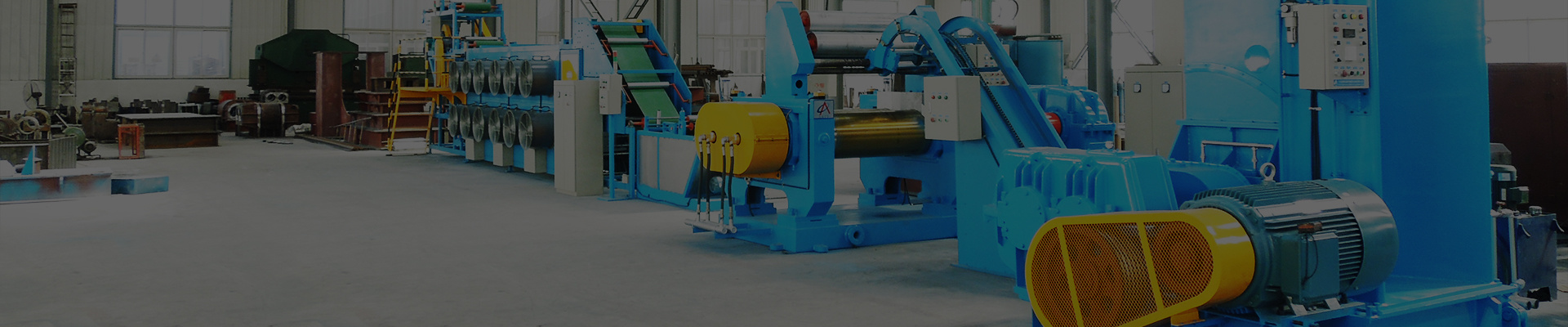
Essential Features to Look for When Buying a Conveyor Belt Joint Machine
Time of issue:
2025-04-04
Essential Features to Look for When Buying a Conveyor Belt Joint Machine Introduction to Conveyor Belt Joint Machines In the realm of rubber processing, the **conveyor belt joint machine** stands as a pivotal tool. Its primary function is to ensure seamless belt connections, which are essential for efficiency and productivity in various industrial applications. Selecting the right machine is n
Essential Features to Look for When Buying a Conveyor Belt Joint Machine
Introduction to Conveyor Belt Joint Machines
In the realm of rubber processing, the **conveyor belt joint machine** stands as a pivotal tool. Its primary function is to ensure seamless belt connections, which are essential for efficiency and productivity in various industrial applications. Selecting the right machine is not simply a matter of picking a model; it involves a thorough understanding of the essential features that enhance performance and longevity.
Understanding the Importance of Quality Joint Machines
The quality of a conveyor belt joint machine directly impacts the operational success of any rubber processing facility. Poorly constructed equipment can lead to frequent breakdowns, costly repairs, and production downtime. Therefore, focusing on key attributes when making your choice can save both time and resources in the long run.
1. Build Quality and Durability
One of the foremost considerations is **build quality**. The materials used in constructing the joint machine should be robust enough to withstand the rigors of daily use. Look for models made from high-grade steel or other durable materials that resist wear and corrosion. A well-built machine not only performs better but also has a longer lifespan, which translates into a better return on investment.
2. Ease of Operation
A user-friendly interface is crucial for ensuring that operators can work efficiently. Machines equipped with intuitive controls, clear displays, and ergonomic designs help reduce the learning curve for new staff. Features like auto-calibration and easy maintenance access can significantly enhance operational efficiency.
2.1 Automation Features
Automation in conveyor belt joint machines can lead to greater consistency and reduced manual labor. Look for models that offer **automated alignment** and tensioning systems. These features not only minimize human error but also ensure that every joint is made with precision.
3. Versatility of the Machine
The ability to handle various types and sizes of belts is vital in today’s fast-paced industrial environment. Make sure the machine you choose can accommodate different belt widths and types, as this flexibility allows for greater operational efficiency and adaptability in production processes.
4. Heating Technology
Effective heat management is essential for the bonding process in conveyor belt joints. Machines that incorporate advanced **heating technology** ensure uniform heat distribution, which is necessary for achieving strong, durable joints. Check for options that offer temperature controls and quick heating capabilities to expedite the bonding process.
5. Safety Features
Safety cannot be overlooked when selecting a conveyor belt joint machine. Look for features such as emergency stop buttons, safety guards, and overload protection systems. These elements protect operators and reduce the risk of accidents, contributing to a safer work environment.
6. Maintenance Requirements
Every piece of equipment requires maintenance, and understanding the maintenance needs of a joint machine is critical before making a purchase. Opt for models that offer easy access to maintenance points, require minimal routine upkeep, and have readily available replacement parts. This ensures that you can keep the machine running efficiently with less downtime.
7. Warranty and After-Sales Support
A solid warranty and comprehensive after-sales support are essential indicators of a reliable manufacturer. Look for machines with generous warranty terms, indicating confidence in their product's durability. Additionally, assess the availability of technical support and service options, as these will be invaluable should any issues arise during operation.
8. Cost-Effectiveness
While it may be tempting to choose the lowest-priced option, it is crucial to evaluate the overall cost-effectiveness. Consider the features offered in relation to the price and factor in longevity and maintenance costs. An initial investment in a high-quality machine can lead to significant savings over time by reducing operational costs and downtime.
How to Evaluate Different Conveyor Belt Joint Machines
When comparing various machines, create a checklist of the essential features discussed above. This checklist will serve as a guide during demonstrations and evaluations. Be sure to request performance data, customer testimonials, and case studies from manufacturers to help inform your decision.
Conducting a Cost-Benefit Analysis
Performing a **cost-benefit analysis** can aid in justifying your investment. Compare the initial purchase price with the expected benefits, such as increased productivity, reduced maintenance, and improved product quality. This analysis will help you make an informed decision based on both quantitative and qualitative factors.
FAQs About Conveyor Belt Joint Machines
1. What is a conveyor belt joint machine used for?
A conveyor belt joint machine is used to join two ends of a conveyor belt, ensuring a seamless and durable connection suitable for continuous operation.
2. How do I know which size machine to purchase?
The machine size should correspond to the width and type of conveyor belts you intend to use. Always consider the most commonly used belt sizes in your facility.
3. What maintenance is required for a conveyor belt joint machine?
Routine maintenance usually includes cleaning, lubrication of moving parts, and checking for wear and tear. Always refer to the manufacturer's guidelines for specific maintenance requirements.
4. How can I ensure the safety of operators when using the machine?
Implementing proper training, using machines with built-in safety features, and conducting regular safety audits can help ensure operator safety.
5. Can I modify a conveyor belt joint machine for different applications?
Some machines come with adjustable features for versatility, but modifying equipment should only be done under guidance from the manufacturer to maintain safety and effectiveness.
Conclusion
Investing in a conveyor belt joint machine is a significant decision that can profoundly impact your rubber processing operations. By focusing on essential features like build quality, ease of operation, versatility, and safety, you can select a machine that not only meets your current needs but also adapts as your business grows. Thorough analysis and understanding of these features will ensure that you make a well-informed decision, maximizing productivity and efficiency in your operations. Always remember to evaluate options thoroughly, considering both performance and long-term value, to achieve the best possible outcomes for your facility.
Relevant Information
The Second Day of the Shanghai Exhibition
2025-09-18
The second day of the Greater Bay Area Expo
2025-05-16

ADD
Room 3718,No.9-1.Haifu Road,Dalian Free Trade Zone,China(Liaoning)Free Trade Pilot Area
PRODUCTS