



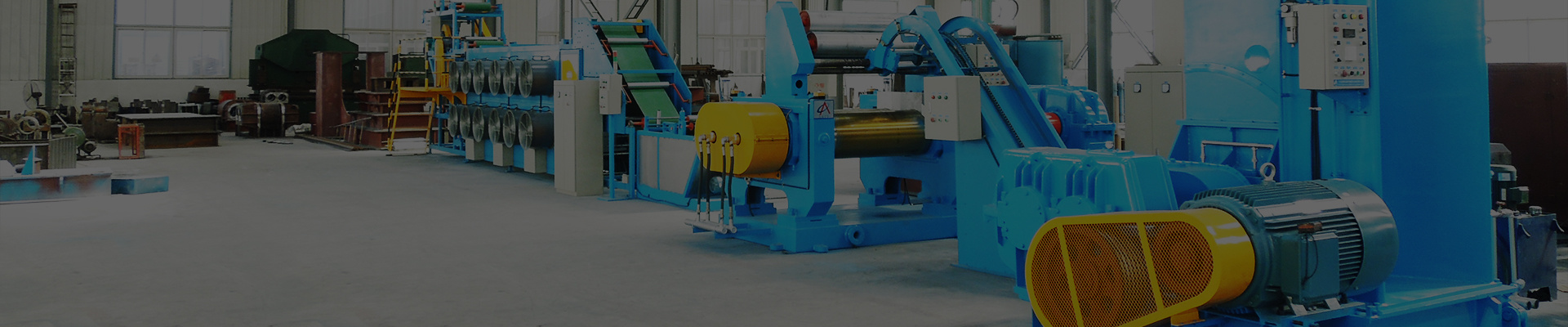
Maximize Efficiency with Affordable Conveyor Belt Lacing Machines
Time of issue:
2025-04-05
Maximize Efficiency with Affordable Conveyor Belt Lacing Machines Table of Contents 1. Understanding Conveyor Belt Lacing Machines 2. The Importance of Efficient Conveyor Systems in Rubber Processing 2.1 How Conveyor Belt Lacing Improves Workflow 2.2 Benefits of High-Quality Lacing 3. Types of Conveyor Belt Lacing Machines 3.1 Mechanical Lacing Machines 3.2 Fusion Lacing Machines
Maximize Efficiency with Affordable Conveyor Belt Lacing Machines
Table of Contents
1. Understanding Conveyor Belt Lacing Machines
2. The Importance of Efficient Conveyor Systems in Rubber Processing
2.1 How Conveyor Belt Lacing Improves Workflow
2.2 Benefits of High-Quality Lacing
3. Types of Conveyor Belt Lacing Machines
3.1 Mechanical Lacing Machines
3.2 Fusion Lacing Machines
3.3 Specialty Lacing Machines
4. Key Features to Look for in Conveyor Belt Lacing Machines
4.1 Durability and Material Quality
4.2 Ease of Use and Maintenance
5. How to Choose the Right Conveyor Belt Lacing Machine for Your Needs
5.1 Assessing Your Production Requirements
5.2 Budget Considerations
6. Best Practices for Operating Conveyor Belt Lacing Machines
6.1 Regular Maintenance Tips
6.2 Safety Protocols
7. Cost-Effective Solutions for Conveyor Belt Lacing
7.1 Investing in Affordable Machinery
7.2 Comparing Costs and Benefits
8. Frequently Asked Questions (FAQs)
9. Conclusion
1. Understanding Conveyor Belt Lacing Machines
Conveyor belt lacing machines play a crucial role in the rubber processing industry. These machines are designed to securely attach conveyor belts, ensuring they function efficiently and effectively. By utilizing robust lacing systems, businesses can enhance the durability and longevity of their conveyor belts, reducing downtime and maintenance costs.
2. The Importance of Efficient Conveyor Systems in Rubber Processing
An efficient conveyor system is vital for any rubber processing operation. It ensures the smooth transport of materials, reduces labor costs, and minimizes production delays.
2.1 How Conveyor Belt Lacing Improves Workflow
Proper lacing of conveyor belts directly impacts workflow. When belts are not laced correctly, they can slip, track poorly, or even break, leading to operational stoppages. High-quality lacing machines ensure that belts remain tensioned and aligned, promoting a seamless operation.
2.2 Benefits of High-Quality Lacing
High-quality lacing provides several benefits, including enhanced strength, improved safety, and reduced maintenance needs. Investing in reliable lacing machines leads to fewer interruptions and increased production efficiency.
3. Types of Conveyor Belt Lacing Machines
Understanding the different types of conveyor belt lacing machines available can help you make informed decisions for your business needs.
3.1 Mechanical Lacing Machines
Mechanical lacing machines utilize mechanical interlocking methods to secure conveyor belts. These machines are known for their reliability and ease of use, making them a popular choice for many operations.
3.2 Fusion Lacing Machines
Fusion lacing machines use heat and pressure to bond the lacing material to the conveyor belt. This method offers a strong, seamless connection that can withstand challenging conditions, improving the overall performance of the belt.
3.3 Specialty Lacing Machines
Specialty lacing machines are designed for specific applications or materials. These machines often feature unique capabilities that cater to specialized requirements, ensuring optimal performance in niche industries.
4. Key Features to Look for in Conveyor Belt Lacing Machines
When selecting a conveyor belt lacing machine, consider the following essential features:
4.1 Durability and Material Quality
The durability of the machine is paramount. Look for machines constructed from high-quality materials that can withstand daily wear and tear, ensuring longevity and reliability in your operations.
4.2 Ease of Use and Maintenance
Choose machines that are user-friendly and require minimal maintenance. Features such as easy setup, intuitive controls, and accessible service points can significantly enhance your operational efficiency.
5. How to Choose the Right Conveyor Belt Lacing Machine for Your Needs
Selecting the right conveyor belt lacing machine involves careful consideration of several factors.
5.1 Assessing Your Production Requirements
Evaluate your production volume and specific needs. This assessment will guide you in choosing a machine that can handle your workload effectively without compromising on quality.
5.2 Budget Considerations
While affordability is important, remember that investing in a high-quality lacing machine can lead to long-term savings. Weigh the upfront costs against potential operational efficiencies to make the best financial decision for your business.
6. Best Practices for Operating Conveyor Belt Lacing Machines
To maximize the performance of your conveyor belt lacing machines, follow these best practices:
6.1 Regular Maintenance Tips
Implement a regular maintenance schedule that includes cleaning, lubrication, and inspection of wear parts. Keeping your machine in top condition will minimize breakdowns and extend its lifespan.
6.2 Safety Protocols
Establish safety protocols for machine operation. Ensure that all operators are trained and aware of safety procedures to prevent accidents and injuries.
7. Cost-Effective Solutions for Conveyor Belt Lacing
Finding affordable conveyor belt lacing options doesn't mean sacrificing quality.
7.1 Investing in Affordable Machinery
Conduct thorough research to find manufacturers that offer cost-effective lacing machines without compromising on quality. Compare different models and read customer reviews to gauge performance and reliability.
7.2 Comparing Costs and Benefits
Perform a cost-benefit analysis to determine the value of investing in a specific lacing machine. Consider not only the purchase price but also operational costs, potential downtime, and maintenance expenses.
8. Frequently Asked Questions (FAQs)
What are conveyor belt lacing machines used for?
Conveyor belt lacing machines are used to securely attach the ends of conveyor belts, ensuring they function effectively in transporting materials.
How do I know which lacing machine to choose?
Consider your production needs, budget, and the specific features of the machines available. Assessing these factors will help you select the most suitable machine.
Are mechanical lacing machines better than fusion machines?
It depends on your specific application. Mechanical lacing machines are reliable and easy to use, while fusion machines provide a stronger bond. Evaluate your requirements to make the best choice.
How often should I maintain my lacing machine?
Regular maintenance should be performed according to the manufacturer's guidelines. A good rule of thumb is to inspect and service your machine at least once a month.
Can I use conveyor belt lacing machines for other materials?
Many lacing machines are versatile and can be used with various materials. Check the specifications of your machine to confirm compatibility with different types of belts.
9. Conclusion
Investing in affordable conveyor belt lacing machines can significantly enhance efficiency and productivity in rubber processing operations. By selecting the right machine, adhering to best practices, and maintaining your equipment, you ensure that your production processes run smoothly. The strategic use of these machines not only reduces downtime but also promotes a safe and efficient working environment. As you explore your options, remember that the right lacing machine is not just an expense; it’s an investment in the long-term success of your operations.
Relevant Information
The Second Day of the Shanghai Exhibition
2025-09-18
The second day of the Greater Bay Area Expo
2025-05-16

ADD
Room 3718,No.9-1.Haifu Road,Dalian Free Trade Zone,China(Liaoning)Free Trade Pilot Area
PRODUCTS