



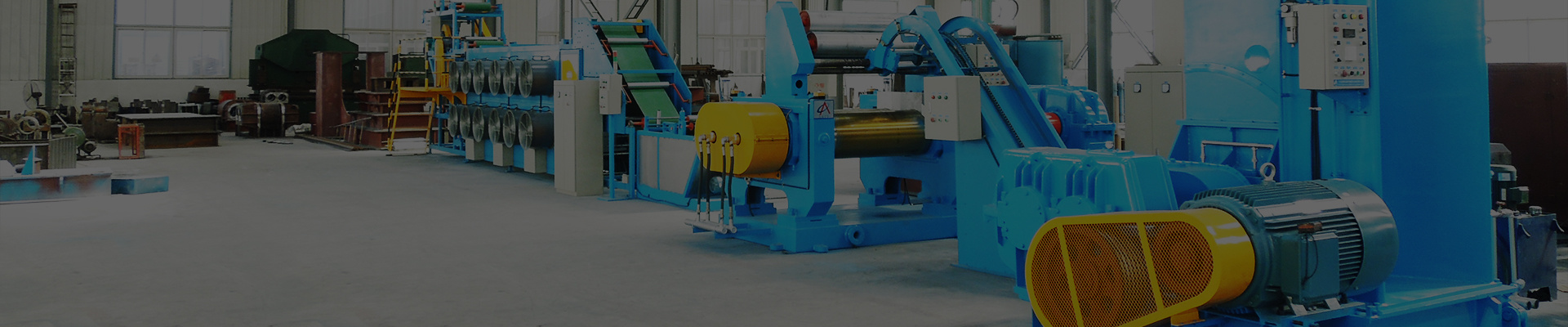
Boost Your Rubber Mixing Efficiency with Kneader Machines
Time of issue:
2023-11-20
Table of Contents: 1. Introduction 2. Understanding Rubber Mixing Challenges 3. The Role of Kneader Machines in Rubber Mixing 4. Key Benefits of Kneader Machines 5. Features and Functionality of Kneader Machines 6. How to Choose the Right Kneader Machine for Your Needs 7. Best Practices for Optimizing Rubber Mixing Efficiency with Kneader Machines 8. Frequently Asked Questions (FAQs) 9. Conclusion
1. Introduction
2. Understanding Rubber Mixing Challenges
3. The Role of Kneader Machines in Rubber Mixing
4. Key Benefits of Kneader Machines
5. Features and Functionality of Kneader Machines
6. How to Choose the Right Kneader Machine for Your Needs
7. Best Practices for Optimizing Rubber Mixing Efficiency with Kneader Machines
8. Frequently Asked Questions (FAQs)
9. Conclusion
1. Introduction
As the rubber industry continues to evolve, manufacturers are constantly seeking innovative solutions to enhance their production processes. One such solution that has gained significant popularity is the use of kneader machines. In this article, we will explore how these machines can boost your rubber mixing efficiency and help you achieve superior results.
2. Understanding Rubber Mixing Challenges
Rubber mixing involves the blending of various rubber compounds and additives to create the desired material properties. However, this process comes with its own set of challenges. Traditional mixing methods often result in uneven dispersion, longer mixing times, and increased energy consumption. These challenges can hamper productivity and impact the overall quality of the final rubber product.
3. The Role of Kneader Machines in Rubber Mixing
Kneader machines, also known as sigma blade mixers, offer a revolutionary approach to rubber mixing. They utilize a unique mixing action that combines both shear and kneading forces. This dual-action ensures thorough dispersion of additives and accelerates the mixing process, resulting in improved efficiency and reduced cycle times.
4. Key Benefits of Kneader Machines
4.1 Enhanced Mixing Efficiency: Kneader machines are designed to optimize the mixing process, resulting in faster and more efficient production. The combination of shear and kneading forces ensures uniform dispersion of additives, reducing the need for prolonged mixing times.
4.2 Superior Material Quality: The precise control offered by kneader machines enables manufacturers to achieve superior material properties. The even distribution of additives and compounds ensures consistent quality in each batch, enhancing product performance and reliability.
4.3 Energy Savings: Kneader machines are engineered to minimize energy consumption during the mixing process. The efficient design and optimized mixing action reduce the overall power requirements, resulting in significant energy savings.
4.4 Reduced Waste: With improved mixing efficiency, kneader machines minimize material waste. The precise control over the mixing process reduces the chances of over-mixing or under-mixing, resulting in better inventory management and cost savings.
5. Features and Functionality of Kneader Machines
5.1 Dual Mixing Action: Kneader machines employ a dual mixing action that combines shear and kneading forces. This unique mechanism ensures thorough dispersion and efficient mixing.
5.2 Temperature Control: Kneader machines offer precise temperature control capabilities, allowing manufacturers to achieve optimal curing conditions for different rubber compounds. This ensures consistent product quality and reduces the chances of material degradation.
5.3 Versatility: Kneader machines are highly versatile and can be used for various rubber mixing applications. They are suitable for both small-scale and large-scale operations, accommodating different batch sizes and production requirements.
5.4 Easy Maintenance: Kneader machines are designed for hassle-free maintenance. The accessibility of key components and the use of durable materials simplify cleaning and servicing, minimizing downtime and maximizing productivity.
6. How to Choose the Right Kneader Machine for Your Needs
When selecting a kneader machine for your rubber mixing operations, several factors need to be considered:
6.1 Batch Size: Determine the average batch size you will be working with to ensure the machine's capacity aligns with your production requirements.
6.2 Mixing Speed: Evaluate the desired mixing speed based on the specific rubber compounds you will be working with. Different compounds may require varying mixing speeds for optimal results.
6.3 Control System: Choose a machine with an advanced control system that offers precise control over temperature, mixing time, and other critical parameters.
6.4 Safety Features: Look for kneader machines that prioritize operator safety. Features such as emergency stop buttons and safety interlocks ensure a safe working environment.
7. Best Practices for Optimizing Rubber Mixing Efficiency with Kneader Machines
To maximize the benefits of kneader machines and boost rubber mixing efficiency, consider implementing the following best practices:
7.1 Proper Machine Setup: Ensure the machine is correctly set up and calibrated before starting the mixing process. This includes adjusting temperature controls, verifying ingredient proportions, and confirming the correct mixing blade configuration.
7.2 Regular Maintenance: Follow the manufacturer's recommended maintenance schedule to keep the machine in optimal condition. Regular inspections, cleaning, and lubrication will help prevent breakdowns and ensure consistent performance.
7.3 Material Handling: Properly handle and store raw materials to maintain their quality. This includes storing additives in a controlled environment and ensuring the rubber compounds are properly measured and mixed.
7.4 Operator Training: Provide comprehensive training to operators on the proper operation and maintenance of kneader machines. Well-trained operators can optimize the machine's performance and troubleshoot any issues that may arise.
8. Frequently Asked Questions (FAQs)
8.1 What is the difference between a kneader machine and a traditional mixer?
8.2 Can kneader machines handle different types of rubber compounds?
8.3 How can kneader machines help reduce energy consumption?
8.4 Are kneader machines suitable for small-scale operations?
8.5 What safety features should I look for in a kneader machine?
9. Conclusion
Kneader machines have emerged as a game-changer in the rubber mixing industry. Their unique mixing action, enhanced efficiency, and superior material quality make them a valuable investment for any rubber manufacturer. By embracing this advanced technology and implementing best practices, you can boost your rubber mixing efficiency, reduce costs, and achieve outstanding results. Upgrade your rubber mixing process today with kneader machines and stay ahead of the competition.
Relevant Information
The Second Day of the Shanghai Exhibition
2025-09-18
The second day of the Greater Bay Area Expo
2025-05-16

ADD
Room 3718,No.9-1.Haifu Road,Dalian Free Trade Zone,China(Liaoning)Free Trade Pilot Area
PRODUCTS