



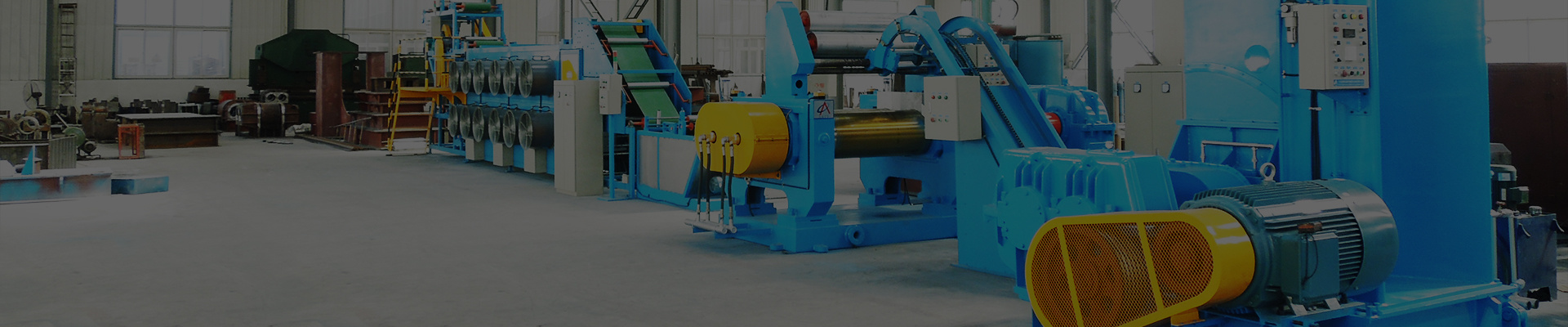
Introduction to Kneader Machine for Rubber Mixing
Time of issue:
2023-11-20
Kneader machines have revolutionized the rubber processing machinery industry, particularly in the field of rubber mixing. These machines are widely used in chemical industries, specifically in the production of rubber compounds and other related materials. In this article, we will delve into the key features and advantages of kneader machines, shedding light on their significance in the rubber pr
Kneader machines, also known as kneading machines or kneaders, are designed to mix and knead rubber compounds and other materials. They consist of a mixing chamber, equipped with sigma-shaped blades, that rotate at varying speeds. The blades' movement creates a highly efficient kneading action, enabling thorough mixing and dispersion of ingredients.
One of the primary advantages of kneader machines is their ability to handle a wide range of materials, including natural rubber, synthetic rubber, plastic compounds, and even food products. The versatility of kneader machines makes them an indispensable tool in various industries, such as automotive, construction, and consumer goods.
The key benefits of utilizing kneader machines for rubber mixing are as follows:
1. Enhanced Mixing Efficiency: The unique sigma-shaped blades of kneader machines ensure superior dispersion and distribution of ingredients. This leads to improved homogeneity and consistency in the rubber compound, resulting in higher product quality.
2. Reduced Mixing Time: Kneader machines facilitate faster mixing compared to traditional mixing equipment. With their powerful and efficient mixing action, they significantly reduce processing time, increasing overall productivity.
3. Temperature Control: Kneader machines offer precise control over the mixing temperature. This feature is vital in rubber processing, as temperature fluctuations can affect the compound's properties. By maintaining a stable temperature, kneader machines ensure consistent and reliable rubber compounds.
4. Gentle Processing: Kneader machines operate with low shear stress, minimizing degradation and preserving the integrity of the rubber compound. This gentle processing prevents the loss of desired physical properties, resulting in high-quality end products.
5. Versatile Design: Kneader machines are available in various sizes and configurations to meet different production requirements. Whether it's small-scale laboratory applications or large-scale industrial production, kneader machines can be tailored to suit specific needs.
In conclusion, kneader machines play a crucial role in the rubber processing machinery industry. Their ability to efficiently mix and knead rubber compounds, along with their advantages of enhanced mixing efficiency, reduced mixing time, temperature control, gentle processing, and versatile design, make them an indispensable asset in the chemical sector. Embracing kneader machines in the production process can lead to significant improvements in product quality, productivity, and overall operational efficiency.
Relevant Information
The Second Day of the Shanghai Exhibition
2025-09-18
The second day of the Greater Bay Area Expo
2025-05-16

ADD
Room 3718,No.9-1.Haifu Road,Dalian Free Trade Zone,China(Liaoning)Free Trade Pilot Area
PRODUCTS