



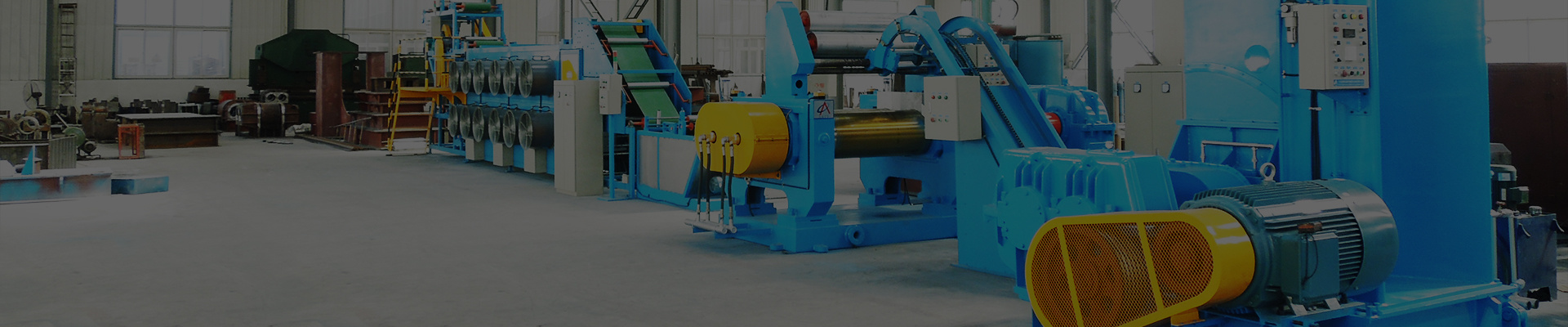
Conveyance Systems: Enhancing Efficiency in Industrial Equipment
Time of issue:
2023-11-11
Introduction: Conveyance systems are integral to the smooth functioning of industrial equipment, especially in the realm of chains and conveyor devices. These systems provide a means of efficiently moving materials or products within a production facility, ensuring a streamlined workflow. In this article, we will explore the significance of conveyance systems, their advantages, and their impact on
Conveyance systems are integral to the smooth functioning of industrial equipment, especially in the realm of chains and conveyor devices. These systems provide a means of efficiently moving materials or products within a production facility, ensuring a streamlined workflow. In this article, we will explore the significance of conveyance systems, their advantages, and their impact on enhancing overall efficiency in the industrial sector.
1. What are Conveyance Systems?
Conveyance systems refer to a network of interconnected mechanisms and components designed to transport materials or products from one point to another within a manufacturing or production environment. These systems encompass a wide range of equipment, including conveyor belts, roller conveyors, chain conveyors, and more.
2. Enhancing Efficiency:
Conveyance systems significantly improve efficiency in industrial settings. By automating the movement of materials, these systems eliminate the need for manual handling, reducing the risk of errors, delays, and worker fatigue. With conveyance systems in place, materials can be seamlessly transported, sorted, and distributed, minimizing downtime and maximizing productivity.
3. Streamlined Workflow:
The integration of conveyance systems into industrial equipment and components promotes a more streamlined workflow. These systems can be tailored to meet specific requirements, allowing for precise control over the movement of materials. Whether it's assembly lines, packaging units, or distribution centers, conveyance systems ensure a continuous and efficient flow of goods, optimizing the entire production process.
4. Space Optimization:
Conveyance systems are designed to make the most efficient use of available space. By utilizing vertical or horizontal conveyors, materials can be transported through different levels or across various sections of a facility, optimizing floor space and enabling efficient utilization of the production area. This space-saving feature is particularly valuable in industries where space is limited or costly.
5. Flexibility and Customization:
Conveyance systems offer flexibility and customization options to suit diverse industrial applications. These systems can be adapted to handle different types of materials, sizes, and weights. They can also be integrated with other machinery or automated systems to create a fully optimized production line. This adaptability ensures that conveyance systems can meet the unique needs and challenges of various industries.
Conclusion:
Conveyance systems are an indispensable component of industrial equipment and components, specifically in the field of chains and conveyor devices. They enable the seamless movement of materials, enhance operational efficiency, and optimize productivity. By incorporating conveyance systems into their facilities, businesses can achieve a streamlined workflow, space optimization, and customized solutions, ultimately contributing to their overall success in the industrial sector.
Relevant Information
The Second Day of the Shanghai Exhibition
2025-09-18
The second day of the Greater Bay Area Expo
2025-05-16

ADD
Room 3718,No.9-1.Haifu Road,Dalian Free Trade Zone,China(Liaoning)Free Trade Pilot Area
PRODUCTS