



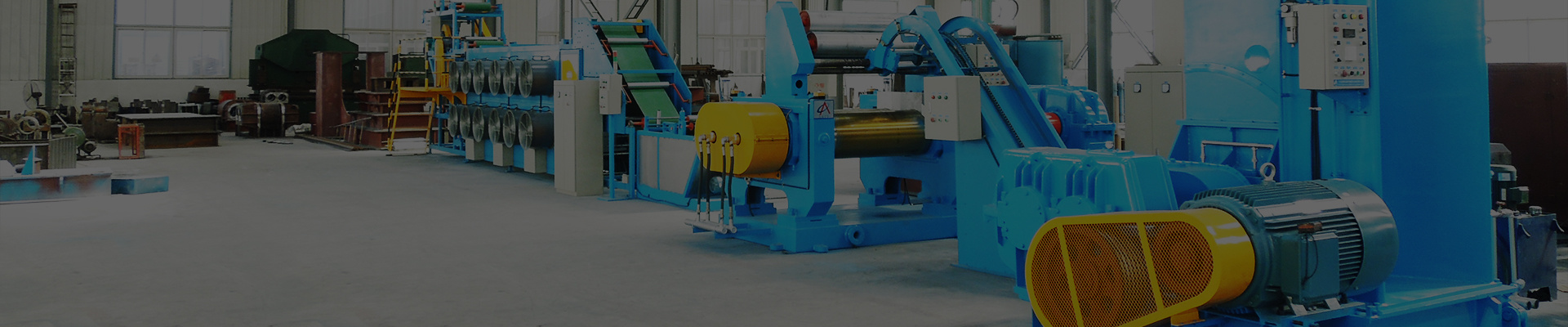
Ensuring Workplace Safety: The Role of Conveyance Systems
Time of issue:
2023-11-11
Table of Contents: 1. Introduction: Understanding the Significance of Conveyance Systems 2. The Components of Conveyance Systems 3. Different Types of Conveyance Systems and Their Safety Features 4. The Functionality and Benefits of Conveyance Systems 5. Best Practices for Ensuring Workplace Safety with Conveyance Systems 6. Frequently Asked Questions (FAQs) about Conveyance Systems and Workplace
1. Introduction: Understanding the Significance of Conveyance Systems
2. The Components of Conveyance Systems
3. Different Types of Conveyance Systems and Their Safety Features
4. The Functionality and Benefits of Conveyance Systems
5. Best Practices for Ensuring Workplace Safety with Conveyance Systems
6. Frequently Asked Questions (FAQs) about Conveyance Systems and Workplace Safety
7. Conclusion
1. Introduction: Understanding the Significance of Conveyance Systems
Workplace safety is a top priority for any organization. Conveyance systems, often an essential part of industrial equipment and components, play a vital role in ensuring a safe working environment. This article delves into the importance of conveyance systems, their functionalities, and the best practices associated with them.
2. The Components of Conveyance Systems
Conveyance systems consist of several key components that work together to facilitate the movement of goods or materials within a workplace. These components include chains, belts, pulleys, rollers, and various other specialized parts. Understanding each component's role and ensuring their proper functioning is crucial for workplace safety.
2.1 Chains and Belts
Chains and belts are commonly used in conveyance systems to transmit power and move materials from one point to another. Ensuring the durability and proper tension of chains and belts is essential for preventing accidents and maintaining a safe work environment.
2.2 Pulleys and Rollers
Pulleys and rollers are integral components of conveyance systems that facilitate the smooth movement of materials. Regular maintenance and inspection of pulleys and rollers are necessary to avoid potential hazards, such as jamming or misalignment.
3. Different Types of Conveyance Systems and Their Safety Features
There are various types of conveyance systems available, each designed for specific applications and industries. Understanding the safety features associated with different types of conveyance systems is crucial for workplace safety.
3.1 Belt Conveyors
Belt conveyors are widely used in industries for transporting goods or materials over long distances. They come with safety features such as emergency stop buttons, safety switches, and guardrails to prevent accidents.
3.2 Chain Conveyors
Chain conveyors are commonly used for heavy-duty applications. They incorporate safety features like chain guards, overload protection mechanisms, and safety interlocks to ensure worker safety.
3.3 Roller Conveyors
Roller conveyors are ideal for moving materials with a flat or uneven bottom surface. Safety features like side guides, stoppers, and sensor-based systems are often incorporated to prevent accidents and injuries.
4. The Functionality and Benefits of Conveyance Systems
Conveyance systems offer numerous benefits beyond their role in workplace safety. Understanding their functionality and advantages can help organizations optimize their operations and ensure a safe working environment.
4.1 Efficient Material Handling
Conveyance systems enable efficient material handling, reducing manual labor and increasing productivity. By automating the movement of goods, organizations can minimize the risk of worker injuries.
4.2 Streamlined Workflow
Conveyance systems streamline workflow processes by ensuring a smooth and continuous flow of materials. This eliminates bottlenecks and reduces the chances of accidents caused by material congestion.
4.3 Enhanced Ergonomics
Conveyance systems promote better ergonomics by reducing manual lifting and carrying of heavy loads. This reduces the risk of musculoskeletal injuries and improves worker comfort.
5. Best Practices for Ensuring Workplace Safety with Conveyance Systems
To maximize workplace safety, organizations should adhere to certain best practices when it comes to conveyance systems. Implementing these practices can significantly reduce accidents and maintain a secure work environment.
5.1 Regular Inspections and Maintenance
Conducting regular inspections and maintenance of conveyance systems is crucial for identifying potential safety hazards and addressing them promptly. This includes checking for worn-out components, lubrication, and proper tensioning.
5.2 Employee Training and Awareness
Providing comprehensive training to employees on the safe operation and maintenance of conveyance systems is essential. Workers should be aware of safety protocols, emergency procedures, and the proper use of personal protective equipment.
5.3 Clear Signage and Markings
Proper signage and markings should be in place to indicate potential hazards, restricted areas, and emergency exits. Clear communication through visual cues can help prevent accidents and guide workers to safety.
5.4 Regular Risk Assessments
Conducting regular risk assessments allows organizations to identify potential hazards and implement preventive measures. This includes evaluating the layout, operation, and maintenance of conveyance systems to eliminate or mitigate risks.
6. Frequently Asked Questions (FAQs) about Conveyance Systems and Workplace Safety
Here are some commonly asked questions about conveyance systems and their role in ensuring workplace safety:
Q1: How often should conveyance systems be inspected?
A: Conveyance systems should undergo regular inspections based on the manufacturer's recommendations and the specific requirements of the workplace. However, a general rule of thumb is to inspect them at least once every quarter.
Q2: What are the common safety features of conveyance systems?
A: Common safety features include emergency stop buttons, safety switches, guardrails, chain guards, overload protection mechanisms, safety interlocks, side guides, stoppers, and sensor-based systems.
Q3: How can organizations ensure employee safety when working with conveyance systems?
A: Organizations can ensure employee safety by providing comprehensive training, enforcing safety protocols, conducting regular risk assessments, implementing proper signage, and maintaining clear communication channels.
Q4: Are conveyance systems suitable for all industries?
A: Conveyance systems are versatile and can be customized to suit various industries such as manufacturing, distribution, mining, and logistics. However, it is crucial to choose the right type of conveyance system based on the specific requirements of each industry.
Q5: What are the benefits of automated conveyance systems?
A: Automated conveyance systems offer increased efficiency, reduced labor costs, minimized material handling errors, improved workplace safety, and streamlined workflow processes.
7. Conclusion
Conveyance systems play a pivotal role in ensuring workplace safety by facilitating the efficient movement of goods or materials. Understanding their components, functionalities, and best practices is crucial for organizations to maintain a safe working environment. By adhering to proper maintenance, training, and risk assessment protocols, organizations can optimize their operations and prevent accidents. Prioritizing workplace safety through the proper utilization of conveyance systems is an investment that yields long-term benefits for both employers and employees.
Relevant Information
The Second Day of the Shanghai Exhibition
2025-09-18
The second day of the Greater Bay Area Expo
2025-05-16

ADD
Room 3718,No.9-1.Haifu Road,Dalian Free Trade Zone,China(Liaoning)Free Trade Pilot Area
PRODUCTS