



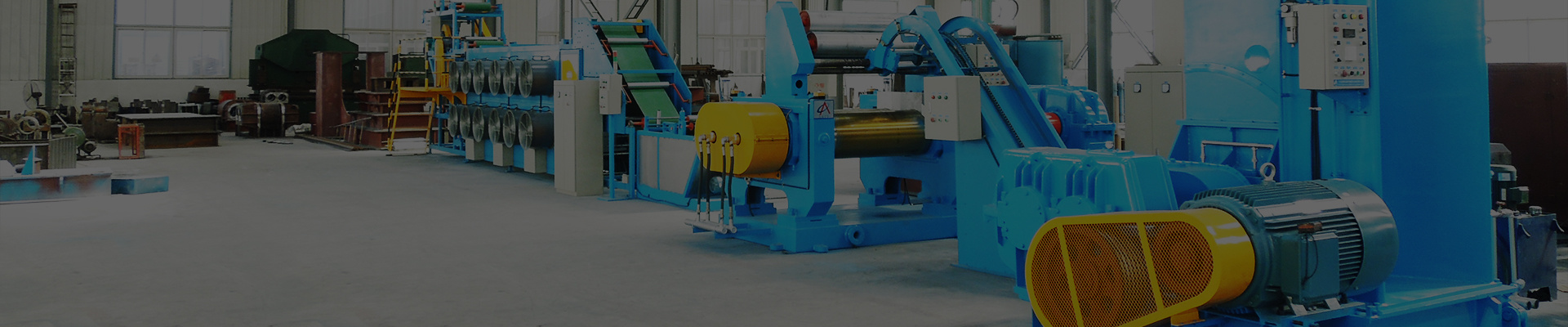
Enhancing Efficiency: The Role of Conveyance Systems in Industrial Operations
Time of issue:
2023-12-04
## Table of Contents 1. Introduction 2. Understanding Conveyance Systems 3. Types of Conveyance Systems 1. Belt Conveyors 2. Roller Conveyors 3. Chain Conveyors 4. Screw Conveyors 5. Pneumatic Conveyors 4. Applications of Conveyance Systems 1. Manufacturing Industry 2. Warehousing and Distribution 3. Mining and Quarrying 4. Food Processing 5. Pharmaceutical Industry 5
1. Introduction
2. Understanding Conveyance Systems
3. Types of Conveyance Systems
1. Belt Conveyors
2. Roller Conveyors
3. Chain Conveyors
4. Screw Conveyors
5. Pneumatic Conveyors
4. Applications of Conveyance Systems
1. Manufacturing Industry
2. Warehousing and Distribution
3. Mining and Quarrying
4. Food Processing
5. Pharmaceutical Industry
5. Benefits of Conveyance Systems
1. Increased Efficiency
2. Cost Reduction
3. Improved Safety
4. Enhanced Productivity
5. Flexibility and Scalability
6. Reduced Manual Labor
6. Choosing the Right Conveyance System
7. Key Factors to Consider
1. Material Characteristics
2. Throughput Requirements
3. Environmental Factors
4. Maintenance and Safety
8. FAQs (Frequently Asked Questions)
1. What is the purpose of a conveyance system?
2. How do conveyance systems improve efficiency?
3. What are the common types of conveyance systems used in industrial operations?
4. What industries benefit from using conveyance systems?
5. How can I choose the right conveyance system for my business?
9. Conclusion
## 1. Introduction
In today's fast-paced industrial landscape, companies strive to maximize efficiency and streamline their operations to stay ahead of the competition. One key aspect that significantly contributes to this goal is the implementation of effective conveyance systems. This article explores the role of conveyance systems in enhancing efficiency within industrial operations.
## 2. Understanding Conveyance Systems
Conveyance systems refer to mechanical devices designed to transport materials from one point to another within an industrial setting. These systems eliminate the need for manual transportation, reducing labor costs and improving overall productivity. By efficiently moving materials, conveyance systems facilitate a smooth workflow and minimize bottlenecks.
## 3. Types of Conveyance Systems
### 3.1 Belt Conveyors
Belt conveyors are among the most common and versatile types of conveyance systems. They consist of a continuous belt loop that moves materials along a designated path. Belt conveyors are suitable for various industries and can handle a wide range of materials, including bulk, fragile, and heavy items.
### 3.2 Roller Conveyors
Roller conveyors utilize a series of rollers to transport materials. They are ideal for moving boxes, pallets, and other similar items. Roller conveyors offer efficient and reliable material handling solutions, reducing the risk of damage or mishandling during transportation.
### 3.3 Chain Conveyors
Chain conveyors utilize chains to move materials along a predetermined path. They are commonly used in industries that require heavy-duty material handling, such as automotive manufacturing and mining. Chain conveyors can handle large volumes of materials and are known for their durability and reliability.
### 3.4 Screw Conveyors
Screw conveyors, as the name suggests, use a rotating screw mechanism to transport materials. They are suitable for moving bulk materials, such as grains, powders, and granules. Screw conveyors are versatile and can be customized to fit specific applications and space requirements.
### 3.5 Pneumatic Conveyors
Pneumatic conveyors use air pressure to transport materials through a pipeline system. They are commonly used in industries that handle fine powders, such as the chemical and pharmaceutical industries. Pneumatic conveyors offer dust-free and efficient material transportation.
## 4. Applications of Conveyance Systems
Conveyance systems find applications in various industries, including:
### 4.1 Manufacturing Industry
In the manufacturing industry, conveyance systems play a vital role in automating assembly lines and streamlining the production process. They ensure the smooth flow of materials between different workstations, reducing production time and improving overall efficiency.
### 4.2 Warehousing and Distribution
Conveyance systems are essential in warehouses and distribution centers to efficiently handle and sort incoming and outgoing goods. They enable the seamless movement of products from storage areas to loading docks, minimizing delays and optimizing order fulfillment.
### 4.3 Mining and Quarrying
In the mining and quarrying industry, conveyance systems are used to transport extracted materials, such as coal, ores, and aggregates. These systems enable efficient material handling, reducing manual labor and increasing productivity in demanding environments.
### 4.4 Food Processing
Conveyance systems play a crucial role in the food processing industry, ensuring efficient and hygienic transportation of ingredients, finished products, and packaging materials. They comply with strict food safety regulations and minimize the risk of contamination.
### 4.5 Pharmaceutical Industry
In the pharmaceutical industry, conveyance systems facilitate the safe and efficient movement of medicines, active ingredients, and packaging materials. They contribute to the precision and reliability required for pharmaceutical manufacturing and distribution processes.
## 5. Benefits of Conveyance Systems
Implementing conveyance systems in industrial operations brings several benefits, including:
### 5.1 Increased Efficiency
Conveyance systems allow for the continuous flow of materials, eliminating downtime and optimizing the overall workflow. This leads to increased operational efficiency and faster production cycles.
### 5.2 Cost Reduction
By automating material transportation, conveyance systems reduce the reliance on manual labor, resulting in cost savings for businesses. They also minimize the risk of human errors and decrease the need for expensive rework or product replacements.
### 5.3 Improved Safety
Conveyance systems enhance workplace safety by reducing the manual handling of heavy or hazardous materials. They minimize the risk of accidents, injuries, and worker fatigue, ensuring a safer working environment.
### 5.4 Enhanced Productivity
With the efficient movement of materials, conveyance systems enable workers to focus on value-added tasks instead of wasting time on manual transportation. This leads to increased productivity and allows businesses to meet higher production targets.
### 5.5 Flexibility and Scalability
Conveyance systems can be designed and customized to fit the specific needs and requirements of different industries. They offer flexibility in adapting to changing production demands and can be easily expanded or modified to accommodate future growth.
### 5.6 Reduced Manual Labor
By automating material handling processes, conveyance systems reduce the physical strain on workers and minimize the need for manual labor. This improves employee satisfaction and allows businesses to allocate human resources to more skilled and specialized tasks.
## 6. Choosing the Right Conveyance System
Selecting the appropriate conveyance system for your industrial operations requires careful consideration of various factors. Some key factors to consider include:
1. Material Characteristics: Understand the properties and characteristics of the materials you need to transport. Consider factors such as size, weight, fragility, and temperature sensitivity.
2. Throughput Requirements: Determine the desired throughput capacity and the speed at which materials need to be transported. Consider factors such as production volume, cycle times, and peak demand periods.
3. Environmental Factors: Evaluate the environmental conditions in which the conveyance system will operate. Consider factors such as temperature, humidity, dust, and corrosive substances.
4. Maintenance and Safety: Assess the maintenance requirements and safety features of different conveyance systems. Consider factors such as ease of maintenance, accessibility for repairs, and compliance with safety regulations.
## 7. FAQs (Frequently Asked Questions)
### 7.1 What is the purpose of a conveyance system?
A conveyance system is designed to transport materials efficiently from one location to another within an industrial setting, eliminating the need for manual transportation.
### 7.2 How do conveyance systems improve efficiency?
Conveyance systems improve efficiency by streamlining material flow, reducing downtime, minimizing manual labor, and optimizing production cycles.
### 7.3 What are the common types of conveyance systems used in industrial operations?
Some common types of conveyance systems used in industrial operations include belt conveyors, roller conveyors, chain conveyors, screw conveyors, and pneumatic conveyors.
### 7.4 What industries benefit from using conveyance systems?
Industries such as manufacturing, warehousing, mining, food processing, pharmaceuticals, and many others benefit from the use of conveyance systems to enhance efficiency and productivity.
### 7.5 How can I choose the right conveyance system for my business?
To choose the right conveyance system for your business, consider factors such as material characteristics, throughput requirements, environmental factors, and maintenance and safety requirements. Consult with industry experts if needed.
## 9. Conclusion
Conveyance systems play a vital role in enhancing efficiency within industrial operations. From streamlining material flow to reducing manual labor, these systems offer numerous benefits for businesses across various industries. By understanding the different types of conveyance systems, their applications, and the factors to consider when choosing the right system, companies can optimize their operational processes, increase productivity, and gain a competitive edge in the market.
Relevant Information
The Second Day of the Shanghai Exhibition
2025-09-18
The second day of the Greater Bay Area Expo
2025-05-16

ADD
Room 3718,No.9-1.Haifu Road,Dalian Free Trade Zone,China(Liaoning)Free Trade Pilot Area
PRODUCTS