



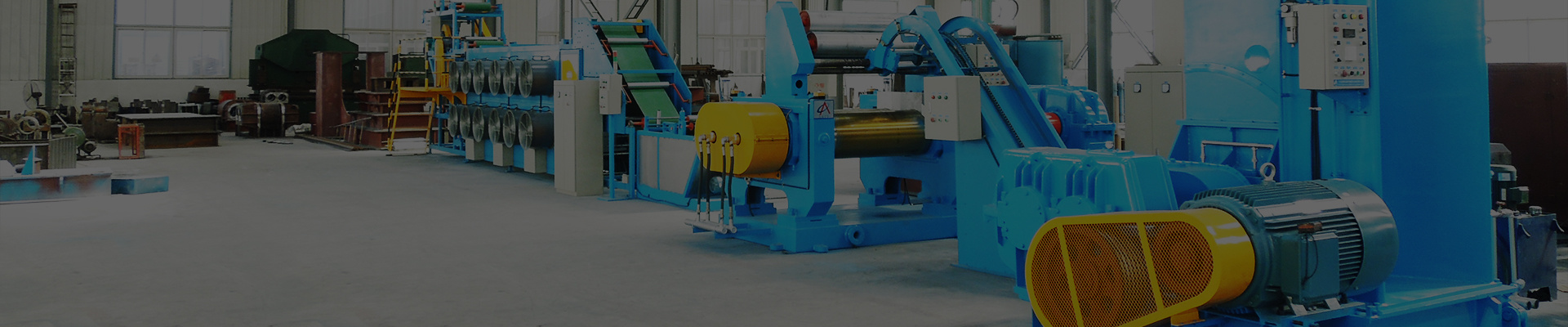
The Importance of Conveyance Systems in the Manufacturing Process
Time of issue:
2023-12-04
Table of Contents: 1. Introduction: Understanding the Significance of Conveyance Systems 2. Streamlining Manufacturing Processes with Conveyance Systems 3. Enhancing Efficiency and Productivity through Automated Conveyance 4. Ensuring Safety and Ergonomics in the Manufacturing Environment 5. Reducing Costs and Wastage with Efficient Material Handling 6. Different Types of Conveyance Systems for Di
1. Introduction: Understanding the Significance of Conveyance Systems
2. Streamlining Manufacturing Processes with Conveyance Systems
3. Enhancing Efficiency and Productivity through Automated Conveyance
4. Ensuring Safety and Ergonomics in the Manufacturing Environment
5. Reducing Costs and Wastage with Efficient Material Handling
6. Different Types of Conveyance Systems for Diverse Manufacturing Needs
7. Factors to Consider when Implementing Conveyance Systems
8. Overcoming Challenges and Maximizing the Benefits of Conveyance Systems
9. Frequently Asked Questions (FAQs)
10. Conclusion: Leveraging Conveyance Systems for Manufacturing Success
1. Introduction: Understanding the Significance of Conveyance Systems
In the fast-paced world of manufacturing, optimizing operational processes is key to achieving success. One crucial aspect that plays a vital role in streamlining manufacturing operations is the implementation of efficient conveyance systems. These systems facilitate the movement of materials, components, and finished goods throughout the production process, ensuring a seamless flow that enhances efficiency, productivity, and overall output.
2. Streamlining Manufacturing Processes with Conveyance Systems
Conveyance systems act as the backbone of the manufacturing process, enabling the smooth transfer of materials and products from one stage to another. By eliminating manual handling and reducing reliance on human intervention, these systems streamline the production line, minimizing delays and bottlenecks.
One major advantage of conveyance systems is their ability to automate material handling tasks such as loading, unloading, and sorting. This automation not only saves valuable time but also reduces the risk of errors or damage that can occur with manual handling. With the right conveyance system in place, manufacturers can achieve a higher level of consistency, accuracy, and reliability in their operations.
3. Enhancing Efficiency and Productivity through Automated Conveyance
Efficiency and productivity are critical factors in the manufacturing industry, and conveyance systems play a pivotal role in optimizing these areas. Automated conveyance systems enable continuous material flow, eliminating unnecessary downtime and maximizing throughput. By minimizing the time spent on manual tasks and reducing the chances of operational disruptions, these systems significantly enhance overall efficiency.
Additionally, conveyance systems allow for better synchronization between different stages of the manufacturing process. They enable a smooth and uninterrupted flow of materials, ensuring that each workstation receives the required inputs at the right time. This synchronization enhances productivity by minimizing idle time, optimizing resource utilization, and promoting a more balanced workflow.
4. Ensuring Safety and Ergonomics in the Manufacturing Environment
Ensuring the safety and well-being of employees is a top priority in any manufacturing facility. Conveyance systems contribute to a safer working environment by reducing the need for manual material handling, which can lead to injuries or strains. By automating the movement of heavy or bulky items, these systems alleviate the physical burden on workers, minimizing the risk of accidents and promoting better ergonomics.
Moreover, conveyance systems can be equipped with safety features such as sensors, emergency stop buttons, and interlocking mechanisms to prevent accidents and ensure smooth operations. This focus on safety not only protects employees but also safeguards the integrity of the manufacturing process.
5. Reducing Costs and Wastage with Efficient Material Handling
Effective material handling is essential for minimizing costs and reducing wastage in the manufacturing process. Conveyance systems excel in this aspect by optimizing the movement and storage of materials, ensuring that resources are utilized efficiently. By automating material flow, these systems eliminate unnecessary handling, minimizing the chances of damage, loss, or contamination.
Furthermore, conveyance systems can incorporate sorting and quality control mechanisms, enabling real-time inspections and preventing defective products from progressing further down the production line. This proactive approach to quality control reduces waste, rework, and the associated costs, contributing to improved profitability and customer satisfaction.
6. Different Types of Conveyance Systems for Diverse Manufacturing Needs
Manufacturing processes vary across industries and applications, requiring different types of conveyance systems to meet specific requirements. There is a wide range of conveyance systems available, including belt conveyors, roller conveyors, chain conveyors, and pneumatic conveyors, among others.
Each type of conveyance system offers unique advantages and is suitable for different applications. Belt conveyors, for example, are commonly used for transporting bulk materials, while roller conveyors excel in handling cartons, packages, and pallets. Manufacturers must assess their specific needs and select the most appropriate conveyance system to optimize their operations effectively.
7. Factors to Consider when Implementing Conveyance Systems
Implementing conveyance systems requires careful planning and consideration of various factors to ensure successful integration into the manufacturing process. Some key factors to consider include:
- Layout and space availability
- Material characteristics and handling requirements
- Throughput capacity and speed
- Flexibility for future expansion or modifications
- Integration with existing equipment and systems
- Maintenance and operational costs
By thoroughly evaluating these factors and collaborating with experienced conveyance system providers, manufacturers can make informed decisions and achieve optimal results.
8. Overcoming Challenges and Maximizing the Benefits of Conveyance Systems
Implementing conveyance systems may come with certain challenges, such as initial costs, system complexity, and potential disruptions during installation. However, with proper planning and proactive measures, these challenges can be overcome, leading to significant benefits in the long run.
To maximize the benefits of conveyance systems, ongoing monitoring, maintenance, and training are essential. Regular inspections and preventive maintenance help identify and address any issues before they cause major disruptions. Additionally, providing comprehensive training to operators and maintenance personnel ensures proper system utilization and efficient troubleshooting.
9. Frequently Asked Questions (FAQs)
1. What are the main advantages of using conveyance systems in manufacturing?
2. How do conveyance systems contribute to improved efficiency and productivity?
3. Are conveyance systems suitable for all types of manufacturing processes?
4. What safety features should be considered when implementing conveyance systems?
5. Can conveyance systems help reduce material wastage and costs in manufacturing?
10. Conclusion: Leveraging Conveyance Systems for Manufacturing Success
Conveyance systems play a vital role in the manufacturing process, offering numerous benefits that contribute to efficiency, productivity, and cost reduction. By automating material handling tasks, ensuring safety, and optimizing resource utilization, these systems streamline operations and enhance overall output.
Manufacturers must carefully assess their specific needs and select the most suitable conveyance system for their applications. Proper planning, implementation, and ongoing maintenance are crucial to overcoming challenges and maximizing the benefits of these systems.
Embracing the importance of conveyance systems in the manufacturing process empowers businesses to stay competitive, achieve operational excellence, and unlock their full potential for success.
Relevant Information
The Second Day of the Shanghai Exhibition
2025-09-18
The second day of the Greater Bay Area Expo
2025-05-16

ADD
Room 3718,No.9-1.Haifu Road,Dalian Free Trade Zone,China(Liaoning)Free Trade Pilot Area
PRODUCTS