



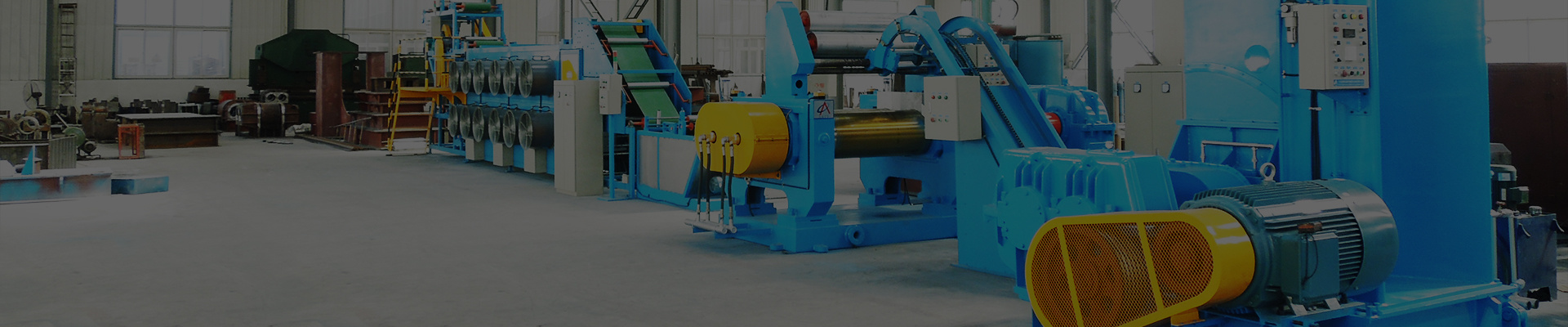
Enhancing Productivity: The Ultimate Guide to Rubber Mixing Mill
Time of issue:
2023-12-14
Table of Contents: 1. Introduction: Understanding the Importance of Productivity in Rubber Mixing Mill 2. Selecting the Perfect Rubber Mixing Mill: Factors to Consider 3. Streamlining Workflow: Effective Layout and Organization 4. Optimal Mixing Techniques: Achieving Consistency and Quality 5. Enhancing Process Automation: The Role of Technology 6. Implementing Preventive Maintenance: Minimiz
1. Introduction: Understanding the Importance of Productivity in Rubber Mixing Mill
2. Selecting the Perfect Rubber Mixing Mill: Factors to Consider
3. Streamlining Workflow: Effective Layout and Organization
4. Optimal Mixing Techniques: Achieving Consistency and Quality
5. Enhancing Process Automation: The Role of Technology
6. Implementing Preventive Maintenance: Minimizing Downtime
7. Ensuring Safety: Best Practices in Rubber Mixing Mill Operations
8. Enhancing Operator Skills: Training and Knowledge Transfer
9. Improving Energy Efficiency: Sustainable Practices in Rubber Mixing Mill
10. Frequently Asked Questions (FAQs)
10.1 What is the role of temperature control in rubber mixing mill operations?
10.2 How can I optimize the mixing time to improve productivity?
10.3 What are some common challenges faced by rubber mixing mill operators?
10.4 What are the advantages of using automated mixing systems?
10.5 How can preventive maintenance reduce unexpected breakdowns?
11. Conclusion
1. Introduction: Understanding the Importance of Productivity in Rubber Mixing Mill
In the fast-paced rubber mixing mill industry, productivity plays a pivotal role in maintaining a competitive edge. Increased productivity not only boosts profitability but also ensures timely delivery of high-quality rubber compounds. This section will delve into the significance of productivity in rubber mixing mill operations, highlighting the benefits and challenges faced by manufacturers.
2. Selecting the Perfect Rubber Mixing Mill: Factors to Consider
Choosing the right rubber mixing mill is crucial for enhancing productivity. This section will provide an overview of the key factors that manufacturers should consider when selecting machinery. From the size and capacity of the mill to the type of rotors and mixing chambers, each aspect plays a vital role in optimizing efficiency and achieving desired mixing results.
3. Streamlining Workflow: Effective Layout and Organization
Efficient layout and organization of the rubber mixing mill facility can significantly impact productivity. This section will explore strategies for streamlining workflow, including proper material handling, storage, and transportation. By eliminating bottlenecks and optimizing the flow of materials, manufacturers can enhance productivity and reduce downtime.
4. Optimal Mixing Techniques: Achieving Consistency and Quality
Achieving consistent and high-quality rubber compounds is a primary objective in the mixing mill industry. This section will discuss the optimal mixing techniques, such as open mill mixing and internal mixers, to ensure uniform dispersion of ingredients and minimize batch variations. Additionally, it will cover the importance of proper cooling and post-mixing processes to achieve desired physical properties.
5. Enhancing Process Automation: The Role of Technology
Automation has revolutionized the rubber mixing mill industry, improving productivity and reducing human error. This section will explore the role of technology in enhancing process automation, from advanced control systems to real-time monitoring and data analytics. Manufacturers can leverage these technological advancements to optimize operations, minimize waste, and improve overall efficiency.
6. Implementing Preventive Maintenance: Minimizing Downtime
Unplanned downtime can have a detrimental impact on productivity and profitability. This section will emphasize the importance of implementing preventive maintenance practices to minimize breakdowns and ensure smooth operations. From routine inspections to proactive repairs and component replacements, manufacturers can avoid costly delays and maximize machine uptime.
7. Ensuring Safety: Best Practices in Rubber Mixing Mill Operations
Safety is paramount in the rubber mixing mill industry, and adhering to best practices is essential to protect employees and equipment. This section will discuss safety measures, including personal protective equipment (PPE), machine guarding, and emergency protocols. By creating a safe working environment, manufacturers can boost productivity by minimizing accidents and disruptions.
8. Enhancing Operator Skills: Training and Knowledge Transfer
Skilled operators are invaluable assets in the rubber mixing mill industry. This section will highlight the importance of comprehensive training programs and knowledge transfer initiatives to enhance operator skills. Through continuous learning and development, manufacturers can optimize productivity by ensuring operators have the expertise to handle complex machinery and troubleshoot issues effectively.
9. Improving Energy Efficiency: Sustainable Practices in Rubber Mixing Mill
Adopting sustainable practices not only benefits the environment but also improves productivity in the long run. This section will explore energy-efficient technologies and practices, such as variable frequency drives (VFDs) and energy management systems, to reduce energy consumption and operating costs. Manufacturers can embrace sustainability as a competitive advantage while enhancing productivity.
10. Frequently Asked Questions (FAQs)
10.1 What is the role of temperature control in rubber mixing mill operations?
10.2 How can I optimize the mixing time to improve productivity?
10.3 What are some common challenges faced by rubber mixing mill operators?
10.4 What are the advantages of using automated mixing systems?
10.5 How can preventive maintenance reduce unexpected breakdowns?
11. Conclusion
In conclusion, enhancing productivity in the rubber mixing mill industry requires a holistic approach that encompasses machinery selection, workflow optimization, mixing techniques, process automation, maintenance practices, safety measures, operator skills, and energy efficiency. By implementing the strategies and techniques outlined in this guide, manufacturers can stay ahead of the competition and achieve maximum productivity in their rubber mixing mill operations.
3. Streamlining Workflow: Effective Layout and Organization
4. Optimal Mixing Techniques: Achieving Consistency and Quality
5. Enhancing Process Automation: The Role of Technology
6. Implementing Preventive Maintenance: Minimizing Downtime
7. Ensuring Safety: Best Practices in Rubber Mixing Mill Operations
8. Enhancing Operator Skills: Training and Knowledge Transfer
9. Improving Energy Efficiency: Sustainable Practices in Rubber Mixing Mill
10. Frequently Asked Questions (FAQs)
10.1 What is the role of temperature control in rubber mixing mill operations?
10.2 How can I optimize the mixing time to improve productivity?
10.3 What are some common challenges faced by rubber mixing mill operators?
10.4 What are the advantages of using automated mixing systems?
10.5 How can preventive maintenance reduce unexpected breakdowns?
11. Conclusion
1. Introduction: Understanding the Importance of Productivity in Rubber Mixing Mill
In the fast-paced rubber mixing mill industry, productivity plays a pivotal role in maintaining a competitive edge. Increased productivity not only boosts profitability but also ensures timely delivery of high-quality rubber compounds. This section will delve into the significance of productivity in rubber mixing mill operations, highlighting the benefits and challenges faced by manufacturers.
2. Selecting the Perfect Rubber Mixing Mill: Factors to Consider
Choosing the right rubber mixing mill is crucial for enhancing productivity. This section will provide an overview of the key factors that manufacturers should consider when selecting machinery. From the size and capacity of the mill to the type of rotors and mixing chambers, each aspect plays a vital role in optimizing efficiency and achieving desired mixing results.
3. Streamlining Workflow: Effective Layout and Organization
Efficient layout and organization of the rubber mixing mill facility can significantly impact productivity. This section will explore strategies for streamlining workflow, including proper material handling, storage, and transportation. By eliminating bottlenecks and optimizing the flow of materials, manufacturers can enhance productivity and reduce downtime.
4. Optimal Mixing Techniques: Achieving Consistency and Quality
Achieving consistent and high-quality rubber compounds is a primary objective in the mixing mill industry. This section will discuss the optimal mixing techniques, such as open mill mixing and internal mixers, to ensure uniform dispersion of ingredients and minimize batch variations. Additionally, it will cover the importance of proper cooling and post-mixing processes to achieve desired physical properties.
5. Enhancing Process Automation: The Role of Technology
Automation has revolutionized the rubber mixing mill industry, improving productivity and reducing human error. This section will explore the role of technology in enhancing process automation, from advanced control systems to real-time monitoring and data analytics. Manufacturers can leverage these technological advancements to optimize operations, minimize waste, and improve overall efficiency.
6. Implementing Preventive Maintenance: Minimizing Downtime
Unplanned downtime can have a detrimental impact on productivity and profitability. This section will emphasize the importance of implementing preventive maintenance practices to minimize breakdowns and ensure smooth operations. From routine inspections to proactive repairs and component replacements, manufacturers can avoid costly delays and maximize machine uptime.
7. Ensuring Safety: Best Practices in Rubber Mixing Mill Operations
Safety is paramount in the rubber mixing mill industry, and adhering to best practices is essential to protect employees and equipment. This section will discuss safety measures, including personal protective equipment (PPE), machine guarding, and emergency protocols. By creating a safe working environment, manufacturers can boost productivity by minimizing accidents and disruptions.
8. Enhancing Operator Skills: Training and Knowledge Transfer
Skilled operators are invaluable assets in the rubber mixing mill industry. This section will highlight the importance of comprehensive training programs and knowledge transfer initiatives to enhance operator skills. Through continuous learning and development, manufacturers can optimize productivity by ensuring operators have the expertise to handle complex machinery and troubleshoot issues effectively.
9. Improving Energy Efficiency: Sustainable Practices in Rubber Mixing Mill
Adopting sustainable practices not only benefits the environment but also improves productivity in the long run. This section will explore energy-efficient technologies and practices, such as variable frequency drives (VFDs) and energy management systems, to reduce energy consumption and operating costs. Manufacturers can embrace sustainability as a competitive advantage while enhancing productivity.
10. Frequently Asked Questions (FAQs)
10.1 What is the role of temperature control in rubber mixing mill operations?
10.2 How can I optimize the mixing time to improve productivity?
10.3 What are some common challenges faced by rubber mixing mill operators?
10.4 What are the advantages of using automated mixing systems?
10.5 How can preventive maintenance reduce unexpected breakdowns?
11. Conclusion
In conclusion, enhancing productivity in the rubber mixing mill industry requires a holistic approach that encompasses machinery selection, workflow optimization, mixing techniques, process automation, maintenance practices, safety measures, operator skills, and energy efficiency. By implementing the strategies and techniques outlined in this guide, manufacturers can stay ahead of the competition and achieve maximum productivity in their rubber mixing mill operations.
5. Enhancing Process Automation: The Role of Technology
6. Implementing Preventive Maintenance: Minimizing Downtime
7. Ensuring Safety: Best Practices in Rubber Mixing Mill Operations
8. Enhancing Operator Skills: Training and Knowledge Transfer
9. Improving Energy Efficiency: Sustainable Practices in Rubber Mixing Mill
10. Frequently Asked Questions (FAQs)
10.1 What is the role of temperature control in rubber mixing mill operations?
10.2 How can I optimize the mixing time to improve productivity?
10.3 What are some common challenges faced by rubber mixing mill operators?
10.4 What are the advantages of using automated mixing systems?
10.5 How can preventive maintenance reduce unexpected breakdowns?
11. Conclusion
1. Introduction: Understanding the Importance of Productivity in Rubber Mixing Mill
In the fast-paced rubber mixing mill industry, productivity plays a pivotal role in maintaining a competitive edge. Increased productivity not only boosts profitability but also ensures timely delivery of high-quality rubber compounds. This section will delve into the significance of productivity in rubber mixing mill operations, highlighting the benefits and challenges faced by manufacturers.
2. Selecting the Perfect Rubber Mixing Mill: Factors to Consider
Choosing the right rubber mixing mill is crucial for enhancing productivity. This section will provide an overview of the key factors that manufacturers should consider when selecting machinery. From the size and capacity of the mill to the type of rotors and mixing chambers, each aspect plays a vital role in optimizing efficiency and achieving desired mixing results.
3. Streamlining Workflow: Effective Layout and Organization
Efficient layout and organization of the rubber mixing mill facility can significantly impact productivity. This section will explore strategies for streamlining workflow, including proper material handling, storage, and transportation. By eliminating bottlenecks and optimizing the flow of materials, manufacturers can enhance productivity and reduce downtime.
4. Optimal Mixing Techniques: Achieving Consistency and Quality
Achieving consistent and high-quality rubber compounds is a primary objective in the mixing mill industry. This section will discuss the optimal mixing techniques, such as open mill mixing and internal mixers, to ensure uniform dispersion of ingredients and minimize batch variations. Additionally, it will cover the importance of proper cooling and post-mixing processes to achieve desired physical properties.
5. Enhancing Process Automation: The Role of Technology
Automation has revolutionized the rubber mixing mill industry, improving productivity and reducing human error. This section will explore the role of technology in enhancing process automation, from advanced control systems to real-time monitoring and data analytics. Manufacturers can leverage these technological advancements to optimize operations, minimize waste, and improve overall efficiency.
6. Implementing Preventive Maintenance: Minimizing Downtime
Unplanned downtime can have a detrimental impact on productivity and profitability. This section will emphasize the importance of implementing preventive maintenance practices to minimize breakdowns and ensure smooth operations. From routine inspections to proactive repairs and component replacements, manufacturers can avoid costly delays and maximize machine uptime.
7. Ensuring Safety: Best Practices in Rubber Mixing Mill Operations
Safety is paramount in the rubber mixing mill industry, and adhering to best practices is essential to protect employees and equipment. This section will discuss safety measures, including personal protective equipment (PPE), machine guarding, and emergency protocols. By creating a safe working environment, manufacturers can boost productivity by minimizing accidents and disruptions.
8. Enhancing Operator Skills: Training and Knowledge Transfer
Skilled operators are invaluable assets in the rubber mixing mill industry. This section will highlight the importance of comprehensive training programs and knowledge transfer initiatives to enhance operator skills. Through continuous learning and development, manufacturers can optimize productivity by ensuring operators have the expertise to handle complex machinery and troubleshoot issues effectively.
9. Improving Energy Efficiency: Sustainable Practices in Rubber Mixing Mill
Adopting sustainable practices not only benefits the environment but also improves productivity in the long run. This section will explore energy-efficient technologies and practices, such as variable frequency drives (VFDs) and energy management systems, to reduce energy consumption and operating costs. Manufacturers can embrace sustainability as a competitive advantage while enhancing productivity.
10. Frequently Asked Questions (FAQs)
10.1 What is the role of temperature control in rubber mixing mill operations?
10.2 How can I optimize the mixing time to improve productivity?
10.3 What are some common challenges faced by rubber mixing mill operators?
10.4 What are the advantages of using automated mixing systems?
10.5 How can preventive maintenance reduce unexpected breakdowns?
11. Conclusion
In conclusion, enhancing productivity in the rubber mixing mill industry requires a holistic approach that encompasses machinery selection, workflow optimization, mixing techniques, process automation, maintenance practices, safety measures, operator skills, and energy efficiency. By implementing the strategies and techniques outlined in this guide, manufacturers can stay ahead of the competition and achieve maximum productivity in their rubber mixing mill operations.
7. Ensuring Safety: Best Practices in Rubber Mixing Mill Operations
8. Enhancing Operator Skills: Training and Knowledge Transfer
9. Improving Energy Efficiency: Sustainable Practices in Rubber Mixing Mill
10. Frequently Asked Questions (FAQs)
10.1 What is the role of temperature control in rubber mixing mill operations?
10.2 How can I optimize the mixing time to improve productivity?
10.3 What are some common challenges faced by rubber mixing mill operators?
10.4 What are the advantages of using automated mixing systems?
10.5 How can preventive maintenance reduce unexpected breakdowns?
11. Conclusion
1. Introduction: Understanding the Importance of Productivity in Rubber Mixing Mill
In the fast-paced rubber mixing mill industry, productivity plays a pivotal role in maintaining a competitive edge. Increased productivity not only boosts profitability but also ensures timely delivery of high-quality rubber compounds. This section will delve into the significance of productivity in rubber mixing mill operations, highlighting the benefits and challenges faced by manufacturers.
2. Selecting the Perfect Rubber Mixing Mill: Factors to Consider
Choosing the right rubber mixing mill is crucial for enhancing productivity. This section will provide an overview of the key factors that manufacturers should consider when selecting machinery. From the size and capacity of the mill to the type of rotors and mixing chambers, each aspect plays a vital role in optimizing efficiency and achieving desired mixing results.
3. Streamlining Workflow: Effective Layout and Organization
Efficient layout and organization of the rubber mixing mill facility can significantly impact productivity. This section will explore strategies for streamlining workflow, including proper material handling, storage, and transportation. By eliminating bottlenecks and optimizing the flow of materials, manufacturers can enhance productivity and reduce downtime.
4. Optimal Mixing Techniques: Achieving Consistency and Quality
Achieving consistent and high-quality rubber compounds is a primary objective in the mixing mill industry. This section will discuss the optimal mixing techniques, such as open mill mixing and internal mixers, to ensure uniform dispersion of ingredients and minimize batch variations. Additionally, it will cover the importance of proper cooling and post-mixing processes to achieve desired physical properties.
5. Enhancing Process Automation: The Role of Technology
Automation has revolutionized the rubber mixing mill industry, improving productivity and reducing human error. This section will explore the role of technology in enhancing process automation, from advanced control systems to real-time monitoring and data analytics. Manufacturers can leverage these technological advancements to optimize operations, minimize waste, and improve overall efficiency.
6. Implementing Preventive Maintenance: Minimizing Downtime
Unplanned downtime can have a detrimental impact on productivity and profitability. This section will emphasize the importance of implementing preventive maintenance practices to minimize breakdowns and ensure smooth operations. From routine inspections to proactive repairs and component replacements, manufacturers can avoid costly delays and maximize machine uptime.
7. Ensuring Safety: Best Practices in Rubber Mixing Mill Operations
Safety is paramount in the rubber mixing mill industry, and adhering to best practices is essential to protect employees and equipment. This section will discuss safety measures, including personal protective equipment (PPE), machine guarding, and emergency protocols. By creating a safe working environment, manufacturers can boost productivity by minimizing accidents and disruptions.
8. Enhancing Operator Skills: Training and Knowledge Transfer
Skilled operators are invaluable assets in the rubber mixing mill industry. This section will highlight the importance of comprehensive training programs and knowledge transfer initiatives to enhance operator skills. Through continuous learning and development, manufacturers can optimize productivity by ensuring operators have the expertise to handle complex machinery and troubleshoot issues effectively.
9. Improving Energy Efficiency: Sustainable Practices in Rubber Mixing Mill
Adopting sustainable practices not only benefits the environment but also improves productivity in the long run. This section will explore energy-efficient technologies and practices, such as variable frequency drives (VFDs) and energy management systems, to reduce energy consumption and operating costs. Manufacturers can embrace sustainability as a competitive advantage while enhancing productivity.
10. Frequently Asked Questions (FAQs)
10.1 What is the role of temperature control in rubber mixing mill operations?
10.2 How can I optimize the mixing time to improve productivity?
10.3 What are some common challenges faced by rubber mixing mill operators?
10.4 What are the advantages of using automated mixing systems?
10.5 How can preventive maintenance reduce unexpected breakdowns?
11. Conclusion
In conclusion, enhancing productivity in the rubber mixing mill industry requires a holistic approach that encompasses machinery selection, workflow optimization, mixing techniques, process automation, maintenance practices, safety measures, operator skills, and energy efficiency. By implementing the strategies and techniques outlined in this guide, manufacturers can stay ahead of the competition and achieve maximum productivity in their rubber mixing mill operations.
9. Improving Energy Efficiency: Sustainable Practices in Rubber Mixing Mill
10. Frequently Asked Questions (FAQs)
10.1 What is the role of temperature control in rubber mixing mill operations?
10.2 How can I optimize the mixing time to improve productivity?
10.3 What are some common challenges faced by rubber mixing mill operators?
10.4 What are the advantages of using automated mixing systems?
10.5 How can preventive maintenance reduce unexpected breakdowns?
11. Conclusion
1. Introduction: Understanding the Importance of Productivity in Rubber Mixing Mill
In the fast-paced rubber mixing mill industry, productivity plays a pivotal role in maintaining a competitive edge. Increased productivity not only boosts profitability but also ensures timely delivery of high-quality rubber compounds. This section will delve into the significance of productivity in rubber mixing mill operations, highlighting the benefits and challenges faced by manufacturers.
2. Selecting the Perfect Rubber Mixing Mill: Factors to Consider
Choosing the right rubber mixing mill is crucial for enhancing productivity. This section will provide an overview of the key factors that manufacturers should consider when selecting machinery. From the size and capacity of the mill to the type of rotors and mixing chambers, each aspect plays a vital role in optimizing efficiency and achieving desired mixing results.
3. Streamlining Workflow: Effective Layout and Organization
Efficient layout and organization of the rubber mixing mill facility can significantly impact productivity. This section will explore strategies for streamlining workflow, including proper material handling, storage, and transportation. By eliminating bottlenecks and optimizing the flow of materials, manufacturers can enhance productivity and reduce downtime.
4. Optimal Mixing Techniques: Achieving Consistency and Quality
Achieving consistent and high-quality rubber compounds is a primary objective in the mixing mill industry. This section will discuss the optimal mixing techniques, such as open mill mixing and internal mixers, to ensure uniform dispersion of ingredients and minimize batch variations. Additionally, it will cover the importance of proper cooling and post-mixing processes to achieve desired physical properties.
5. Enhancing Process Automation: The Role of Technology
Automation has revolutionized the rubber mixing mill industry, improving productivity and reducing human error. This section will explore the role of technology in enhancing process automation, from advanced control systems to real-time monitoring and data analytics. Manufacturers can leverage these technological advancements to optimize operations, minimize waste, and improve overall efficiency.
6. Implementing Preventive Maintenance: Minimizing Downtime
Unplanned downtime can have a detrimental impact on productivity and profitability. This section will emphasize the importance of implementing preventive maintenance practices to minimize breakdowns and ensure smooth operations. From routine inspections to proactive repairs and component replacements, manufacturers can avoid costly delays and maximize machine uptime.
7. Ensuring Safety: Best Practices in Rubber Mixing Mill Operations
Safety is paramount in the rubber mixing mill industry, and adhering to best practices is essential to protect employees and equipment. This section will discuss safety measures, including personal protective equipment (PPE), machine guarding, and emergency protocols. By creating a safe working environment, manufacturers can boost productivity by minimizing accidents and disruptions.
8. Enhancing Operator Skills: Training and Knowledge Transfer
Skilled operators are invaluable assets in the rubber mixing mill industry. This section will highlight the importance of comprehensive training programs and knowledge transfer initiatives to enhance operator skills. Through continuous learning and development, manufacturers can optimize productivity by ensuring operators have the expertise to handle complex machinery and troubleshoot issues effectively.
9. Improving Energy Efficiency: Sustainable Practices in Rubber Mixing Mill
Adopting sustainable practices not only benefits the environment but also improves productivity in the long run. This section will explore energy-efficient technologies and practices, such as variable frequency drives (VFDs) and energy management systems, to reduce energy consumption and operating costs. Manufacturers can embrace sustainability as a competitive advantage while enhancing productivity.
10. Frequently Asked Questions (FAQs)
10.1 What is the role of temperature control in rubber mixing mill operations?
10.2 How can I optimize the mixing time to improve productivity?
10.3 What are some common challenges faced by rubber mixing mill operators?
10.4 What are the advantages of using automated mixing systems?
10.5 How can preventive maintenance reduce unexpected breakdowns?
11. Conclusion
In conclusion, enhancing productivity in the rubber mixing mill industry requires a holistic approach that encompasses machinery selection, workflow optimization, mixing techniques, process automation, maintenance practices, safety measures, operator skills, and energy efficiency. By implementing the strategies and techniques outlined in this guide, manufacturers can stay ahead of the competition and achieve maximum productivity in their rubber mixing mill operations.
10.1 What is the role of temperature control in rubber mixing mill operations?
10.2 How can I optimize the mixing time to improve productivity?
10.3 What are some common challenges faced by rubber mixing mill operators?
10.4 What are the advantages of using automated mixing systems?
10.5 How can preventive maintenance reduce unexpected breakdowns?
11. Conclusion
1. Introduction: Understanding the Importance of Productivity in Rubber Mixing Mill
In the fast-paced rubber mixing mill industry, productivity plays a pivotal role in maintaining a competitive edge. Increased productivity not only boosts profitability but also ensures timely delivery of high-quality rubber compounds. This section will delve into the significance of productivity in rubber mixing mill operations, highlighting the benefits and challenges faced by manufacturers.
2. Selecting the Perfect Rubber Mixing Mill: Factors to Consider
Choosing the right rubber mixing mill is crucial for enhancing productivity. This section will provide an overview of the key factors that manufacturers should consider when selecting machinery. From the size and capacity of the mill to the type of rotors and mixing chambers, each aspect plays a vital role in optimizing efficiency and achieving desired mixing results.
3. Streamlining Workflow: Effective Layout and Organization
Efficient layout and organization of the rubber mixing mill facility can significantly impact productivity. This section will explore strategies for streamlining workflow, including proper material handling, storage, and transportation. By eliminating bottlenecks and optimizing the flow of materials, manufacturers can enhance productivity and reduce downtime.
4. Optimal Mixing Techniques: Achieving Consistency and Quality
Achieving consistent and high-quality rubber compounds is a primary objective in the mixing mill industry. This section will discuss the optimal mixing techniques, such as open mill mixing and internal mixers, to ensure uniform dispersion of ingredients and minimize batch variations. Additionally, it will cover the importance of proper cooling and post-mixing processes to achieve desired physical properties.
5. Enhancing Process Automation: The Role of Technology
Automation has revolutionized the rubber mixing mill industry, improving productivity and reducing human error. This section will explore the role of technology in enhancing process automation, from advanced control systems to real-time monitoring and data analytics. Manufacturers can leverage these technological advancements to optimize operations, minimize waste, and improve overall efficiency.
6. Implementing Preventive Maintenance: Minimizing Downtime
Unplanned downtime can have a detrimental impact on productivity and profitability. This section will emphasize the importance of implementing preventive maintenance practices to minimize breakdowns and ensure smooth operations. From routine inspections to proactive repairs and component replacements, manufacturers can avoid costly delays and maximize machine uptime.
7. Ensuring Safety: Best Practices in Rubber Mixing Mill Operations
Safety is paramount in the rubber mixing mill industry, and adhering to best practices is essential to protect employees and equipment. This section will discuss safety measures, including personal protective equipment (PPE), machine guarding, and emergency protocols. By creating a safe working environment, manufacturers can boost productivity by minimizing accidents and disruptions.
8. Enhancing Operator Skills: Training and Knowledge Transfer
Skilled operators are invaluable assets in the rubber mixing mill industry. This section will highlight the importance of comprehensive training programs and knowledge transfer initiatives to enhance operator skills. Through continuous learning and development, manufacturers can optimize productivity by ensuring operators have the expertise to handle complex machinery and troubleshoot issues effectively.
9. Improving Energy Efficiency: Sustainable Practices in Rubber Mixing Mill
Adopting sustainable practices not only benefits the environment but also improves productivity in the long run. This section will explore energy-efficient technologies and practices, such as variable frequency drives (VFDs) and energy management systems, to reduce energy consumption and operating costs. Manufacturers can embrace sustainability as a competitive advantage while enhancing productivity.
10. Frequently Asked Questions (FAQs)
10.1 What is the role of temperature control in rubber mixing mill operations?
10.2 How can I optimize the mixing time to improve productivity?
10.3 What are some common challenges faced by rubber mixing mill operators?
10.4 What are the advantages of using automated mixing systems?
10.5 How can preventive maintenance reduce unexpected breakdowns?
11. Conclusion
In conclusion, enhancing productivity in the rubber mixing mill industry requires a holistic approach that encompasses machinery selection, workflow optimization, mixing techniques, process automation, maintenance practices, safety measures, operator skills, and energy efficiency. By implementing the strategies and techniques outlined in this guide, manufacturers can stay ahead of the competition and achieve maximum productivity in their rubber mixing mill operations.
10.3 What are some common challenges faced by rubber mixing mill operators?
10.4 What are the advantages of using automated mixing systems?
10.5 How can preventive maintenance reduce unexpected breakdowns?
11. Conclusion
1. Introduction: Understanding the Importance of Productivity in Rubber Mixing Mill
In the fast-paced rubber mixing mill industry, productivity plays a pivotal role in maintaining a competitive edge. Increased productivity not only boosts profitability but also ensures timely delivery of high-quality rubber compounds. This section will delve into the significance of productivity in rubber mixing mill operations, highlighting the benefits and challenges faced by manufacturers.
2. Selecting the Perfect Rubber Mixing Mill: Factors to Consider
Choosing the right rubber mixing mill is crucial for enhancing productivity. This section will provide an overview of the key factors that manufacturers should consider when selecting machinery. From the size and capacity of the mill to the type of rotors and mixing chambers, each aspect plays a vital role in optimizing efficiency and achieving desired mixing results.
3. Streamlining Workflow: Effective Layout and Organization
Efficient layout and organization of the rubber mixing mill facility can significantly impact productivity. This section will explore strategies for streamlining workflow, including proper material handling, storage, and transportation. By eliminating bottlenecks and optimizing the flow of materials, manufacturers can enhance productivity and reduce downtime.
4. Optimal Mixing Techniques: Achieving Consistency and Quality
Achieving consistent and high-quality rubber compounds is a primary objective in the mixing mill industry. This section will discuss the optimal mixing techniques, such as open mill mixing and internal mixers, to ensure uniform dispersion of ingredients and minimize batch variations. Additionally, it will cover the importance of proper cooling and post-mixing processes to achieve desired physical properties.
5. Enhancing Process Automation: The Role of Technology
Automation has revolutionized the rubber mixing mill industry, improving productivity and reducing human error. This section will explore the role of technology in enhancing process automation, from advanced control systems to real-time monitoring and data analytics. Manufacturers can leverage these technological advancements to optimize operations, minimize waste, and improve overall efficiency.
6. Implementing Preventive Maintenance: Minimizing Downtime
Unplanned downtime can have a detrimental impact on productivity and profitability. This section will emphasize the importance of implementing preventive maintenance practices to minimize breakdowns and ensure smooth operations. From routine inspections to proactive repairs and component replacements, manufacturers can avoid costly delays and maximize machine uptime.
7. Ensuring Safety: Best Practices in Rubber Mixing Mill Operations
Safety is paramount in the rubber mixing mill industry, and adhering to best practices is essential to protect employees and equipment. This section will discuss safety measures, including personal protective equipment (PPE), machine guarding, and emergency protocols. By creating a safe working environment, manufacturers can boost productivity by minimizing accidents and disruptions.
8. Enhancing Operator Skills: Training and Knowledge Transfer
Skilled operators are invaluable assets in the rubber mixing mill industry. This section will highlight the importance of comprehensive training programs and knowledge transfer initiatives to enhance operator skills. Through continuous learning and development, manufacturers can optimize productivity by ensuring operators have the expertise to handle complex machinery and troubleshoot issues effectively.
9. Improving Energy Efficiency: Sustainable Practices in Rubber Mixing Mill
Adopting sustainable practices not only benefits the environment but also improves productivity in the long run. This section will explore energy-efficient technologies and practices, such as variable frequency drives (VFDs) and energy management systems, to reduce energy consumption and operating costs. Manufacturers can embrace sustainability as a competitive advantage while enhancing productivity.
10. Frequently Asked Questions (FAQs)
10.1 What is the role of temperature control in rubber mixing mill operations?
10.2 How can I optimize the mixing time to improve productivity?
10.3 What are some common challenges faced by rubber mixing mill operators?
10.4 What are the advantages of using automated mixing systems?
10.5 How can preventive maintenance reduce unexpected breakdowns?
11. Conclusion
In conclusion, enhancing productivity in the rubber mixing mill industry requires a holistic approach that encompasses machinery selection, workflow optimization, mixing techniques, process automation, maintenance practices, safety measures, operator skills, and energy efficiency. By implementing the strategies and techniques outlined in this guide, manufacturers can stay ahead of the competition and achieve maximum productivity in their rubber mixing mill operations.
10.5 How can preventive maintenance reduce unexpected breakdowns?
11. Conclusion
1. Introduction: Understanding the Importance of Productivity in Rubber Mixing Mill
In the fast-paced rubber mixing mill industry, productivity plays a pivotal role in maintaining a competitive edge. Increased productivity not only boosts profitability but also ensures timely delivery of high-quality rubber compounds. This section will delve into the significance of productivity in rubber mixing mill operations, highlighting the benefits and challenges faced by manufacturers.
2. Selecting the Perfect Rubber Mixing Mill: Factors to Consider
Choosing the right rubber mixing mill is crucial for enhancing productivity. This section will provide an overview of the key factors that manufacturers should consider when selecting machinery. From the size and capacity of the mill to the type of rotors and mixing chambers, each aspect plays a vital role in optimizing efficiency and achieving desired mixing results.
3. Streamlining Workflow: Effective Layout and Organization
Efficient layout and organization of the rubber mixing mill facility can significantly impact productivity. This section will explore strategies for streamlining workflow, including proper material handling, storage, and transportation. By eliminating bottlenecks and optimizing the flow of materials, manufacturers can enhance productivity and reduce downtime.
4. Optimal Mixing Techniques: Achieving Consistency and Quality
Achieving consistent and high-quality rubber compounds is a primary objective in the mixing mill industry. This section will discuss the optimal mixing techniques, such as open mill mixing and internal mixers, to ensure uniform dispersion of ingredients and minimize batch variations. Additionally, it will cover the importance of proper cooling and post-mixing processes to achieve desired physical properties.
5. Enhancing Process Automation: The Role of Technology
Automation has revolutionized the rubber mixing mill industry, improving productivity and reducing human error. This section will explore the role of technology in enhancing process automation, from advanced control systems to real-time monitoring and data analytics. Manufacturers can leverage these technological advancements to optimize operations, minimize waste, and improve overall efficiency.
6. Implementing Preventive Maintenance: Minimizing Downtime
Unplanned downtime can have a detrimental impact on productivity and profitability. This section will emphasize the importance of implementing preventive maintenance practices to minimize breakdowns and ensure smooth operations. From routine inspections to proactive repairs and component replacements, manufacturers can avoid costly delays and maximize machine uptime.
7. Ensuring Safety: Best Practices in Rubber Mixing Mill Operations
Safety is paramount in the rubber mixing mill industry, and adhering to best practices is essential to protect employees and equipment. This section will discuss safety measures, including personal protective equipment (PPE), machine guarding, and emergency protocols. By creating a safe working environment, manufacturers can boost productivity by minimizing accidents and disruptions.
8. Enhancing Operator Skills: Training and Knowledge Transfer
Skilled operators are invaluable assets in the rubber mixing mill industry. This section will highlight the importance of comprehensive training programs and knowledge transfer initiatives to enhance operator skills. Through continuous learning and development, manufacturers can optimize productivity by ensuring operators have the expertise to handle complex machinery and troubleshoot issues effectively.
9. Improving Energy Efficiency: Sustainable Practices in Rubber Mixing Mill
Adopting sustainable practices not only benefits the environment but also improves productivity in the long run. This section will explore energy-efficient technologies and practices, such as variable frequency drives (VFDs) and energy management systems, to reduce energy consumption and operating costs. Manufacturers can embrace sustainability as a competitive advantage while enhancing productivity.
10. Frequently Asked Questions (FAQs)
10.1 What is the role of temperature control in rubber mixing mill operations?
10.2 How can I optimize the mixing time to improve productivity?
10.3 What are some common challenges faced by rubber mixing mill operators?
10.4 What are the advantages of using automated mixing systems?
10.5 How can preventive maintenance reduce unexpected breakdowns?
11. Conclusion
In conclusion, enhancing productivity in the rubber mixing mill industry requires a holistic approach that encompasses machinery selection, workflow optimization, mixing techniques, process automation, maintenance practices, safety measures, operator skills, and energy efficiency. By implementing the strategies and techniques outlined in this guide, manufacturers can stay ahead of the competition and achieve maximum productivity in their rubber mixing mill operations.
1. Introduction: Understanding the Importance of Productivity in Rubber Mixing Mill
In the fast-paced rubber mixing mill industry, productivity plays a pivotal role in maintaining a competitive edge. Increased productivity not only boosts profitability but also ensures timely delivery of high-quality rubber compounds. This section will delve into the significance of productivity in rubber mixing mill operations, highlighting the benefits and challenges faced by manufacturers.
2. Selecting the Perfect Rubber Mixing Mill: Factors to Consider
Choosing the right rubber mixing mill is crucial for enhancing productivity. This section will provide an overview of the key factors that manufacturers should consider when selecting machinery. From the size and capacity of the mill to the type of rotors and mixing chambers, each aspect plays a vital role in optimizing efficiency and achieving desired mixing results.
3. Streamlining Workflow: Effective Layout and Organization
Efficient layout and organization of the rubber mixing mill facility can significantly impact productivity. This section will explore strategies for streamlining workflow, including proper material handling, storage, and transportation. By eliminating bottlenecks and optimizing the flow of materials, manufacturers can enhance productivity and reduce downtime.
4. Optimal Mixing Techniques: Achieving Consistency and Quality
Achieving consistent and high-quality rubber compounds is a primary objective in the mixing mill industry. This section will discuss the optimal mixing techniques, such as open mill mixing and internal mixers, to ensure uniform dispersion of ingredients and minimize batch variations. Additionally, it will cover the importance of proper cooling and post-mixing processes to achieve desired physical properties.
5. Enhancing Process Automation: The Role of Technology
Automation has revolutionized the rubber mixing mill industry, improving productivity and reducing human error. This section will explore the role of technology in enhancing process automation, from advanced control systems to real-time monitoring and data analytics. Manufacturers can leverage these technological advancements to optimize operations, minimize waste, and improve overall efficiency.
6. Implementing Preventive Maintenance: Minimizing Downtime
Unplanned downtime can have a detrimental impact on productivity and profitability. This section will emphasize the importance of implementing preventive maintenance practices to minimize breakdowns and ensure smooth operations. From routine inspections to proactive repairs and component replacements, manufacturers can avoid costly delays and maximize machine uptime.
7. Ensuring Safety: Best Practices in Rubber Mixing Mill Operations
Safety is paramount in the rubber mixing mill industry, and adhering to best practices is essential to protect employees and equipment. This section will discuss safety measures, including personal protective equipment (PPE), machine guarding, and emergency protocols. By creating a safe working environment, manufacturers can boost productivity by minimizing accidents and disruptions.
8. Enhancing Operator Skills: Training and Knowledge Transfer
Skilled operators are invaluable assets in the rubber mixing mill industry. This section will highlight the importance of comprehensive training programs and knowledge transfer initiatives to enhance operator skills. Through continuous learning and development, manufacturers can optimize productivity by ensuring operators have the expertise to handle complex machinery and troubleshoot issues effectively.
9. Improving Energy Efficiency: Sustainable Practices in Rubber Mixing Mill
Adopting sustainable practices not only benefits the environment but also improves productivity in the long run. This section will explore energy-efficient technologies and practices, such as variable frequency drives (VFDs) and energy management systems, to reduce energy consumption and operating costs. Manufacturers can embrace sustainability as a competitive advantage while enhancing productivity.
10. Frequently Asked Questions (FAQs)
10.1 What is the role of temperature control in rubber mixing mill operations?
10.2 How can I optimize the mixing time to improve productivity?
10.3 What are some common challenges faced by rubber mixing mill operators?
10.4 What are the advantages of using automated mixing systems?
10.5 How can preventive maintenance reduce unexpected breakdowns?
11. Conclusion
In conclusion, enhancing productivity in the rubber mixing mill industry requires a holistic approach that encompasses machinery selection, workflow optimization, mixing techniques, process automation, maintenance practices, safety measures, operator skills, and energy efficiency. By implementing the strategies and techniques outlined in this guide, manufacturers can stay ahead of the competition and achieve maximum productivity in their rubber mixing mill operations.
Choosing the right rubber mixing mill is crucial for enhancing productivity. This section will provide an overview of the key factors that manufacturers should consider when selecting machinery. From the size and capacity of the mill to the type of rotors and mixing chambers, each aspect plays a vital role in optimizing efficiency and achieving desired mixing results.
3. Streamlining Workflow: Effective Layout and Organization
Efficient layout and organization of the rubber mixing mill facility can significantly impact productivity. This section will explore strategies for streamlining workflow, including proper material handling, storage, and transportation. By eliminating bottlenecks and optimizing the flow of materials, manufacturers can enhance productivity and reduce downtime.
4. Optimal Mixing Techniques: Achieving Consistency and Quality
Achieving consistent and high-quality rubber compounds is a primary objective in the mixing mill industry. This section will discuss the optimal mixing techniques, such as open mill mixing and internal mixers, to ensure uniform dispersion of ingredients and minimize batch variations. Additionally, it will cover the importance of proper cooling and post-mixing processes to achieve desired physical properties.
5. Enhancing Process Automation: The Role of Technology
Automation has revolutionized the rubber mixing mill industry, improving productivity and reducing human error. This section will explore the role of technology in enhancing process automation, from advanced control systems to real-time monitoring and data analytics. Manufacturers can leverage these technological advancements to optimize operations, minimize waste, and improve overall efficiency.
6. Implementing Preventive Maintenance: Minimizing Downtime
Unplanned downtime can have a detrimental impact on productivity and profitability. This section will emphasize the importance of implementing preventive maintenance practices to minimize breakdowns and ensure smooth operations. From routine inspections to proactive repairs and component replacements, manufacturers can avoid costly delays and maximize machine uptime.
7. Ensuring Safety: Best Practices in Rubber Mixing Mill Operations
Safety is paramount in the rubber mixing mill industry, and adhering to best practices is essential to protect employees and equipment. This section will discuss safety measures, including personal protective equipment (PPE), machine guarding, and emergency protocols. By creating a safe working environment, manufacturers can boost productivity by minimizing accidents and disruptions.
8. Enhancing Operator Skills: Training and Knowledge Transfer
Skilled operators are invaluable assets in the rubber mixing mill industry. This section will highlight the importance of comprehensive training programs and knowledge transfer initiatives to enhance operator skills. Through continuous learning and development, manufacturers can optimize productivity by ensuring operators have the expertise to handle complex machinery and troubleshoot issues effectively.
9. Improving Energy Efficiency: Sustainable Practices in Rubber Mixing Mill
Adopting sustainable practices not only benefits the environment but also improves productivity in the long run. This section will explore energy-efficient technologies and practices, such as variable frequency drives (VFDs) and energy management systems, to reduce energy consumption and operating costs. Manufacturers can embrace sustainability as a competitive advantage while enhancing productivity.
10. Frequently Asked Questions (FAQs)
10.1 What is the role of temperature control in rubber mixing mill operations?
10.2 How can I optimize the mixing time to improve productivity?
10.3 What are some common challenges faced by rubber mixing mill operators?
10.4 What are the advantages of using automated mixing systems?
10.5 How can preventive maintenance reduce unexpected breakdowns?
11. Conclusion
In conclusion, enhancing productivity in the rubber mixing mill industry requires a holistic approach that encompasses machinery selection, workflow optimization, mixing techniques, process automation, maintenance practices, safety measures, operator skills, and energy efficiency. By implementing the strategies and techniques outlined in this guide, manufacturers can stay ahead of the competition and achieve maximum productivity in their rubber mixing mill operations.
Achieving consistent and high-quality rubber compounds is a primary objective in the mixing mill industry. This section will discuss the optimal mixing techniques, such as open mill mixing and internal mixers, to ensure uniform dispersion of ingredients and minimize batch variations. Additionally, it will cover the importance of proper cooling and post-mixing processes to achieve desired physical properties.
5. Enhancing Process Automation: The Role of Technology
Automation has revolutionized the rubber mixing mill industry, improving productivity and reducing human error. This section will explore the role of technology in enhancing process automation, from advanced control systems to real-time monitoring and data analytics. Manufacturers can leverage these technological advancements to optimize operations, minimize waste, and improve overall efficiency.
6. Implementing Preventive Maintenance: Minimizing Downtime
Unplanned downtime can have a detrimental impact on productivity and profitability. This section will emphasize the importance of implementing preventive maintenance practices to minimize breakdowns and ensure smooth operations. From routine inspections to proactive repairs and component replacements, manufacturers can avoid costly delays and maximize machine uptime.
7. Ensuring Safety: Best Practices in Rubber Mixing Mill Operations
Safety is paramount in the rubber mixing mill industry, and adhering to best practices is essential to protect employees and equipment. This section will discuss safety measures, including personal protective equipment (PPE), machine guarding, and emergency protocols. By creating a safe working environment, manufacturers can boost productivity by minimizing accidents and disruptions.
8. Enhancing Operator Skills: Training and Knowledge Transfer
Skilled operators are invaluable assets in the rubber mixing mill industry. This section will highlight the importance of comprehensive training programs and knowledge transfer initiatives to enhance operator skills. Through continuous learning and development, manufacturers can optimize productivity by ensuring operators have the expertise to handle complex machinery and troubleshoot issues effectively.
9. Improving Energy Efficiency: Sustainable Practices in Rubber Mixing Mill
Adopting sustainable practices not only benefits the environment but also improves productivity in the long run. This section will explore energy-efficient technologies and practices, such as variable frequency drives (VFDs) and energy management systems, to reduce energy consumption and operating costs. Manufacturers can embrace sustainability as a competitive advantage while enhancing productivity.
10. Frequently Asked Questions (FAQs)
10.1 What is the role of temperature control in rubber mixing mill operations?
10.2 How can I optimize the mixing time to improve productivity?
10.3 What are some common challenges faced by rubber mixing mill operators?
10.4 What are the advantages of using automated mixing systems?
10.5 How can preventive maintenance reduce unexpected breakdowns?
11. Conclusion
In conclusion, enhancing productivity in the rubber mixing mill industry requires a holistic approach that encompasses machinery selection, workflow optimization, mixing techniques, process automation, maintenance practices, safety measures, operator skills, and energy efficiency. By implementing the strategies and techniques outlined in this guide, manufacturers can stay ahead of the competition and achieve maximum productivity in their rubber mixing mill operations.
Unplanned downtime can have a detrimental impact on productivity and profitability. This section will emphasize the importance of implementing preventive maintenance practices to minimize breakdowns and ensure smooth operations. From routine inspections to proactive repairs and component replacements, manufacturers can avoid costly delays and maximize machine uptime.
7. Ensuring Safety: Best Practices in Rubber Mixing Mill Operations
Safety is paramount in the rubber mixing mill industry, and adhering to best practices is essential to protect employees and equipment. This section will discuss safety measures, including personal protective equipment (PPE), machine guarding, and emergency protocols. By creating a safe working environment, manufacturers can boost productivity by minimizing accidents and disruptions.
8. Enhancing Operator Skills: Training and Knowledge Transfer
Skilled operators are invaluable assets in the rubber mixing mill industry. This section will highlight the importance of comprehensive training programs and knowledge transfer initiatives to enhance operator skills. Through continuous learning and development, manufacturers can optimize productivity by ensuring operators have the expertise to handle complex machinery and troubleshoot issues effectively.
9. Improving Energy Efficiency: Sustainable Practices in Rubber Mixing Mill
Adopting sustainable practices not only benefits the environment but also improves productivity in the long run. This section will explore energy-efficient technologies and practices, such as variable frequency drives (VFDs) and energy management systems, to reduce energy consumption and operating costs. Manufacturers can embrace sustainability as a competitive advantage while enhancing productivity.
10. Frequently Asked Questions (FAQs)
10.1 What is the role of temperature control in rubber mixing mill operations?
10.2 How can I optimize the mixing time to improve productivity?
10.3 What are some common challenges faced by rubber mixing mill operators?
10.4 What are the advantages of using automated mixing systems?
10.5 How can preventive maintenance reduce unexpected breakdowns?
11. Conclusion
In conclusion, enhancing productivity in the rubber mixing mill industry requires a holistic approach that encompasses machinery selection, workflow optimization, mixing techniques, process automation, maintenance practices, safety measures, operator skills, and energy efficiency. By implementing the strategies and techniques outlined in this guide, manufacturers can stay ahead of the competition and achieve maximum productivity in their rubber mixing mill operations.
Skilled operators are invaluable assets in the rubber mixing mill industry. This section will highlight the importance of comprehensive training programs and knowledge transfer initiatives to enhance operator skills. Through continuous learning and development, manufacturers can optimize productivity by ensuring operators have the expertise to handle complex machinery and troubleshoot issues effectively.
9. Improving Energy Efficiency: Sustainable Practices in Rubber Mixing Mill
Adopting sustainable practices not only benefits the environment but also improves productivity in the long run. This section will explore energy-efficient technologies and practices, such as variable frequency drives (VFDs) and energy management systems, to reduce energy consumption and operating costs. Manufacturers can embrace sustainability as a competitive advantage while enhancing productivity.
10. Frequently Asked Questions (FAQs)
10.1 What is the role of temperature control in rubber mixing mill operations?
10.2 How can I optimize the mixing time to improve productivity?
10.3 What are some common challenges faced by rubber mixing mill operators?
10.4 What are the advantages of using automated mixing systems?
10.5 How can preventive maintenance reduce unexpected breakdowns?
11. Conclusion
In conclusion, enhancing productivity in the rubber mixing mill industry requires a holistic approach that encompasses machinery selection, workflow optimization, mixing techniques, process automation, maintenance practices, safety measures, operator skills, and energy efficiency. By implementing the strategies and techniques outlined in this guide, manufacturers can stay ahead of the competition and achieve maximum productivity in their rubber mixing mill operations.
10.1 What is the role of temperature control in rubber mixing mill operations?
10.2 How can I optimize the mixing time to improve productivity?
10.3 What are some common challenges faced by rubber mixing mill operators?
10.4 What are the advantages of using automated mixing systems?
10.5 How can preventive maintenance reduce unexpected breakdowns?
11. Conclusion
In conclusion, enhancing productivity in the rubber mixing mill industry requires a holistic approach that encompasses machinery selection, workflow optimization, mixing techniques, process automation, maintenance practices, safety measures, operator skills, and energy efficiency. By implementing the strategies and techniques outlined in this guide, manufacturers can stay ahead of the competition and achieve maximum productivity in their rubber mixing mill operations.
10.3 What are some common challenges faced by rubber mixing mill operators?
10.4 What are the advantages of using automated mixing systems?
10.5 How can preventive maintenance reduce unexpected breakdowns?
11. Conclusion
In conclusion, enhancing productivity in the rubber mixing mill industry requires a holistic approach that encompasses machinery selection, workflow optimization, mixing techniques, process automation, maintenance practices, safety measures, operator skills, and energy efficiency. By implementing the strategies and techniques outlined in this guide, manufacturers can stay ahead of the competition and achieve maximum productivity in their rubber mixing mill operations.
10.5 How can preventive maintenance reduce unexpected breakdowns?
11. Conclusion
In conclusion, enhancing productivity in the rubber mixing mill industry requires a holistic approach that encompasses machinery selection, workflow optimization, mixing techniques, process automation, maintenance practices, safety measures, operator skills, and energy efficiency. By implementing the strategies and techniques outlined in this guide, manufacturers can stay ahead of the competition and achieve maximum productivity in their rubber mixing mill operations.
In conclusion, enhancing productivity in the rubber mixing mill industry requires a holistic approach that encompasses machinery selection, workflow optimization, mixing techniques, process automation, maintenance practices, safety measures, operator skills, and energy efficiency. By implementing the strategies and techniques outlined in this guide, manufacturers can stay ahead of the competition and achieve maximum productivity in their rubber mixing mill operations.
Relevant Information
The Second Day of the Shanghai Exhibition
2025-09-18
The second day of the Greater Bay Area Expo
2025-05-16

ADD
Room 3718,No.9-1.Haifu Road,Dalian Free Trade Zone,China(Liaoning)Free Trade Pilot Area
PRODUCTS