



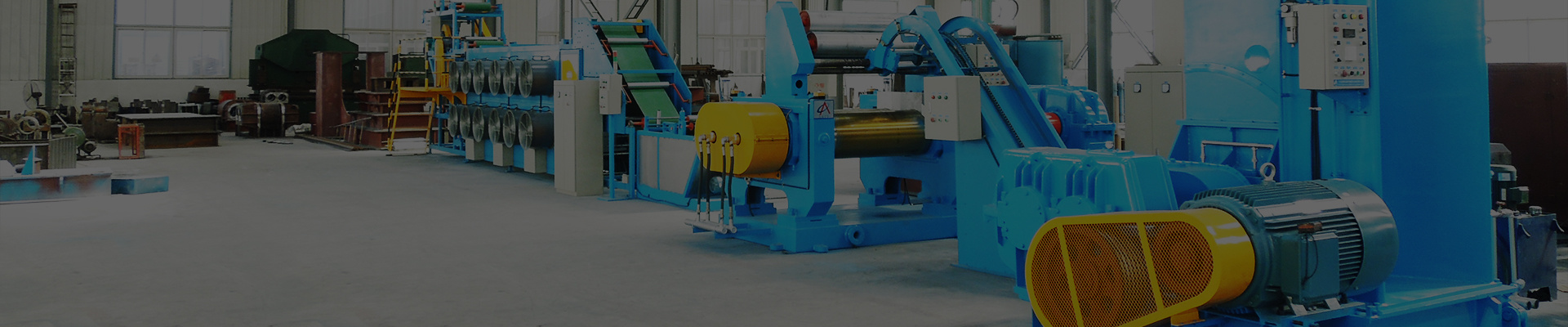
Choosing the Right Rubber Mixing Mill for Your Manufacturing Needs
Time of issue:
2023-12-14
Selecting the right rubber mixing mill is crucial for achieving optimal manufacturing results. By considering factors such as mill type, size and capacity, material compatibility, energy efficiency, safety features, and maintenance requirements, you can make an informed decision that aligns with your manufacturing needs
Introduction: Understanding the Importance of Rubber Mixing Mills in Manufacturing
Rubber mixing mills play a crucial role in the manufacturing industry, specifically in the production of rubber compounds. These mills are designed to blend and process various rubber materials, allowing manufacturers to achieve uniformity, consistency, and desirable properties in their final products. Whether you are involved in the automotive, construction, or any other industry that utilizes rubber-based materials, choosing the right rubber mixing mill is essential for achieving optimal manufacturing results.
Key Factors to Consider When Choosing a Rubber Mixing Mill
When selecting a rubber mixing mill, several important factors should be taken into account. By carefully evaluating these factors, you can ensure that the mill you choose meets your specific manufacturing needs.
Types of Rubber Mixing Mills
There are primarily two types of rubber mixing mills: open mill and internal mixer. Open mills are typically used for low to medium-volume production and offer greater flexibility in terms of material selection. Internal mixers, on the other hand, are suitable for high-volume production and provide better control over the mixing process. Understanding the differences between these types will help you determine which one is best suited for your manufacturing requirements.
Size and Capacity
The size and capacity of a rubber mixing mill are crucial considerations. The mill should be able to accommodate the desired batch size and handle the expected production volume. Choosing a mill that is too small may lead to frequent batch changes and production delays, while opting for an oversized mill could result in inefficient use of resources. Assessing your production requirements and determining the appropriate size and capacity of the mill is vital for smooth operations.
Material Compatibility
Different rubber compounds require specific processing conditions. It is essential to consider the compatibility of the materials you will be working with and ensure that the chosen mill can handle them effectively. Factors such as temperature sensitivity, viscosity, and curing requirements should be examined to guarantee that the mill can provide the necessary processing conditions for your materials.
Energy Efficiency and Maintenance
Efficient energy usage is a key consideration in modern manufacturing processes. Selecting a rubber mixing mill that incorporates energy-saving features, such as variable frequency drives and optimized cooling systems, can significantly reduce energy consumption and operating costs. Additionally, mills with user-friendly maintenance features, such as easy access to components and automated cleaning systems, simplify upkeep and enhance productivity.
Safety Features
Safety should always be a top priority in any manufacturing environment. Look for rubber mixing mills that are equipped with safety devices to protect operators from potential hazards. These devices may include emergency stops, safety interlocks, and guards. Ensuring the safety of your operators not only prevents accidents but also contributes to a more efficient and harmonious work environment.
Budget and Cost Considerations
Budget is a critical factor in any purchasing decision. It is essential to strike a balance between cost and quality when selecting a rubber mixing mill. While it may be tempting to opt for a cheaper option, compromising on quality can lead to subpar results and increased maintenance costs in the long run. Consider the lifetime value of the mill and evaluate its potential return on investment to make an informed decision.
Understanding the Different Components of a Rubber Mixing Mill
A rubber mixing mill consists of various components that work together to achieve the desired mixing results. Familiarizing yourself with these components will help you better understand the functionality of the mill and its impact on the manufacturing process.
Rollers and Mixing Chamber
The rollers and mixing chamber are pivotal components of a rubber mixing mill. The rollers, usually made of high-quality alloy steel, serve as the main processing unit. They rotate at different speeds to knead and mix the rubber compounds thoroughly. The size and pattern of the rollers, as well as the geometry of the mixing chamber, influence the efficiency and effectiveness of the mixing process.
Motor and Drive System
The motor and drive system are responsible for powering the rubber mixing mill. Optimal motor power ensures smooth and consistent rotation of the rollers, while an efficient drive system allows for precise control over the mixing speed. Choosing a mill with a reliable motor and drive system is crucial for stable and reliable operations.
Control Panel and Automation
Modern rubber mixing mills often come equipped with advanced control panels and automation features. These systems allow operators to monitor and adjust various processing parameters, such as temperature, mixing speed, and batch timing. Automation not only improves productivity but also provides better control over the mixing process, resulting in consistent and high-quality rubber compounds.
Cooling System
The heat generated during the mixing process must be dissipated to prevent material degradation. A robust cooling system, such as water or oil circulation, helps maintain the desired temperature and prevents overheating. Efficient cooling is particularly important when working with temperature-sensitive rubber compounds. Ensure that the chosen mill has a reliable cooling system to preserve the integrity of your materials.
Safety Devices
As mentioned earlier, safety is paramount in manufacturing environments. Rubber mixing mills should be equipped with safety devices to protect operators from potential hazards. Emergency stops, safety interlocks, and guards are examples of safety features that help prevent accidents and ensure a secure working environment. Prioritize mills that prioritize operator safety.
Common Challenges in Rubber Mixing Processes and How to Overcome Them
Rubber mixing processes can present various challenges that manufacturers need to address to ensure consistent quality and productivity in their operations. Here are some common challenges and strategies to overcome them:
Inconsistent Mixing
Inconsistent mixing can lead to variations in the properties of the final rubber compound. To overcome this challenge, pay attention to the roller design and mixing chamber geometry. Ensure that the rollers are properly aligned and the mixing chamber allows for uniform dispersion of the rubber compounds. Regular maintenance and calibration of the mill also contribute to achieving consistent mixing results.
Material Contamination
Contamination of rubber compounds with foreign particles can compromise the quality of the final product. Implementing effective material handling practices, including proper storage and handling of raw materials, can help minimize contamination. Additionally, routine cleaning and maintenance of the rubber mixing mill can prevent cross-contamination between batches.
Heating and Cooling Issues
Proper temperature control is critical in rubber mixing processes. Heating and cooling issues can arise from factors such as inadequate cooling systems, improper roller alignment, or insufficient monitoring of temperature parameters. Regularly inspect and maintain the cooling system, ensure proper roller alignment, and use temperature sensors to monitor and regulate the mixing temperature to address these challenges.
Roller Wear and Tear
Continuous use of rubber mixing mills can lead to wear and tear of the rollers over time. This can affect the quality and consistency of the mixing process. Implement a preventive maintenance program that includes routine inspections, lubrication, and replacement of worn-out parts. Regularly monitoring roller condition and addressing any signs of wear promptly will help extend the lifespan of your mill.
Selecting the right rubber mixing mill is crucial for achieving optimal manufacturing results. By considering factors such as mill type, size and capacity, material compatibility, energy efficiency, safety features, and maintenance requirements, you can make an informed decision that aligns with your manufacturing needs. Overcoming common challenges in rubber mixing processes and implementing preventive maintenance practices will further enhance the performance and longevity of your mill. Invest time and effort into choosing the perfect rubber mixing mill, and you will reap the benefits of efficient and high-quality rubber compound production in your manufacturing operations.
Relevant Information
The Second Day of the Shanghai Exhibition
2025-09-18
The second day of the Greater Bay Area Expo
2025-05-16

ADD
Room 3718,No.9-1.Haifu Road,Dalian Free Trade Zone,China(Liaoning)Free Trade Pilot Area
PRODUCTS